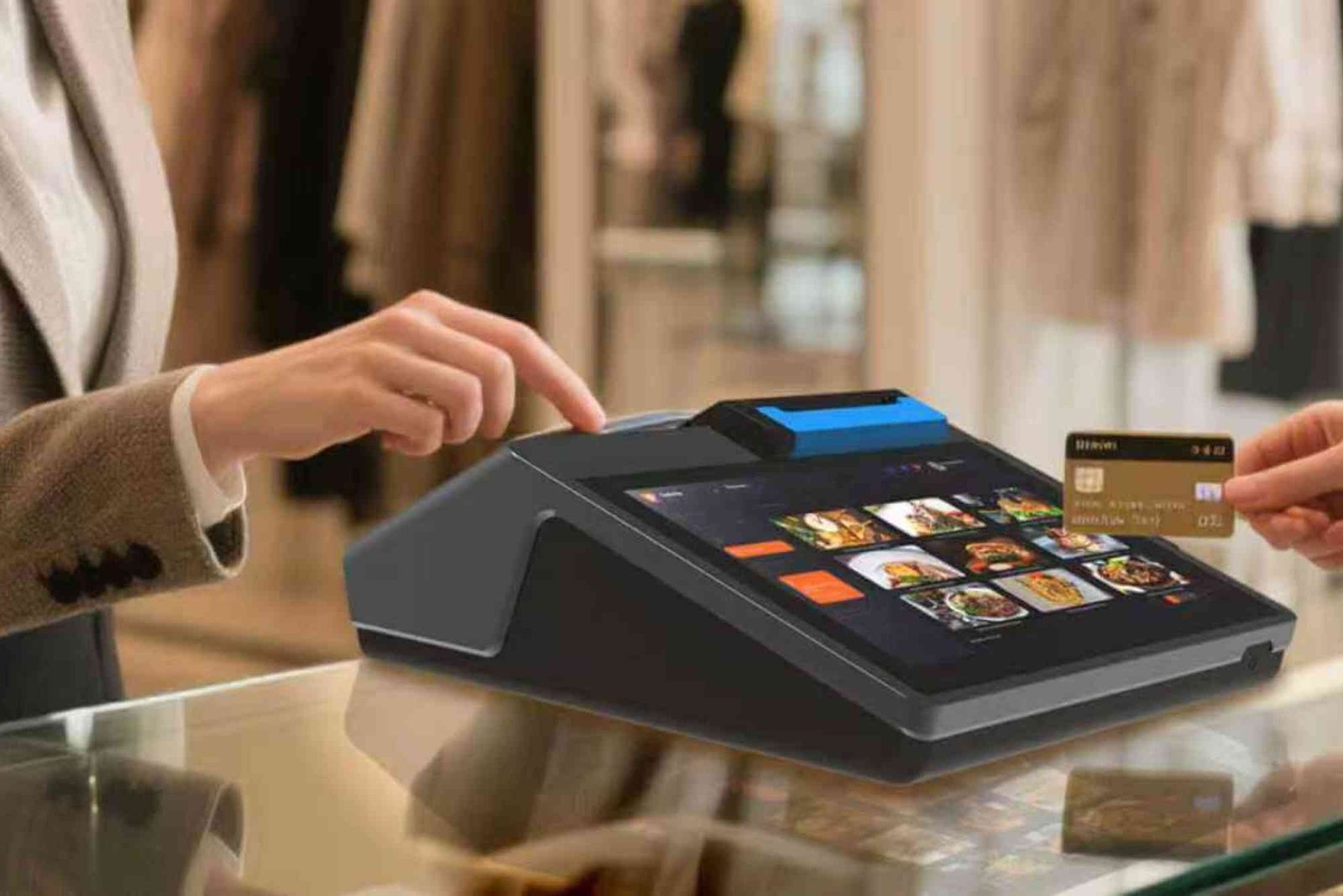
Point of Sale Systems: A Complete Guide for Modern Businesses
Point of sale systems have become the backbone of modern retail, hospitality, and service-based businesses. Whether you run a small shop, a restaurant, or a large retail chain, point of sale systems help you manage sales, track inventory, and improve customer experience in real time. In today’s fast-moving digital economy, relying on traditional cash registers is no longer enough. Businesses need smart, integrated, and efficient point of sale systems that can handle multiple tasks beyond just billing.
A point of sale system is not just a tool for accepting payments. It is a complete business management solution that combines hardware and software to streamline daily operations. From processing transactions to generating reports, point of sale systems play a critical role in helping business owners make informed decisions and improve profitability.
In this article, we will explore how point of sale systems work, their key features, benefits, types, and why they are essential for modern businesses.
What Are Point of Sale Systems?
Point of sale systems refer to the combination of hardware and software used to complete a sales transaction between a business and a customer. Traditionally, this was limited to cash registers, but modern point of sale systems are much more advanced and capable.
Today’s point of sale systems typically include a touchscreen terminal, barcode scanner, receipt printer, cash drawer, and cloud-based software. These components work together to record sales, manage inventory, and track customer data in real time.
At its core, a point of sale system is where a customer makes a payment for goods or services. However, modern systems go far beyond that basic function by offering analytics, employee management, and integration with accounting tools.

How Point of Sale Systems Work
Point of sale systems operate by connecting different parts of the sales process into one seamless workflow. When a customer purchases a product, the system automatically records the sale, updates inventory levels, and processes the payment through cash, card, or digital wallets.
Once the transaction is completed, the system generates a receipt and stores the data in a centralized database. Cloud-based point of sale systems also allow business owners to access this data remotely, giving them real-time insights into sales performance.
These systems reduce human error, speed up checkout times, and ensure accurate financial tracking. The efficiency of point of sale systems is one of the main reasons they are widely adopted across industries.
Key Features of Point of Sale Systems
Modern point of sale systems come with a wide range of features designed to simplify business operations. One of the most important features is inventory management, which automatically updates stock levels whenever a sale is made. This helps businesses avoid overstocking or running out of popular items.
Another essential feature is sales reporting. Point of sale systems generate detailed reports that show daily, weekly, or monthly performance. These insights help business owners understand customer behavior and identify trends.
Customer relationship management is also a key feature in many point of sale systems. Businesses can store customer data, track purchase history, and offer personalized discounts or loyalty rewards.
Employee management is another useful feature. Point of sale systems can track staff performance, working hours, and sales contributions, helping managers improve workforce efficiency.
Types of Point of Sale Systems
There are different types of point of sale systems available depending on business needs. Traditional point of sale systems are installed locally on computers and are commonly used in larger retail stores. These systems are reliable but often require manual updates and maintenance.
Cloud-based point of sale systems, on the other hand, are more flexible and accessible. They store data online, allowing business owners to manage operations from anywhere with an internet connection. This type is especially popular among small and medium-sized businesses.
Mobile point of sale systems are another growing category. These systems run on smartphones or tablets and are ideal for businesses that need portability, such as food trucks or pop-up shops. Mobile point of sale systems provide flexibility and convenience without requiring heavy hardware.
Self-service point of sale systems are also becoming common in supermarkets and fast-food restaurants. These systems allow customers to complete their own transactions, reducing wait times and improving efficiency.
Benefits of Using Point of Sale Systems
One of the biggest benefits of point of sale systems is improved efficiency. By automating sales tracking, inventory updates, and reporting, businesses save valuable time and reduce manual errors.
Point of sale systems also enhance customer experience. Faster checkout processes and multiple payment options make shopping more convenient for customers, leading to higher satisfaction and repeat business.
Another major benefit is better decision-making. With real-time data and detailed analytics, business owners can make informed decisions about pricing, stock management, and marketing strategies.
Security is also improved with modern point of sale systems. Transactions are encrypted, reducing the risk of fraud or data theft. Additionally, user access controls ensure that only authorized employees can access sensitive information.
Scalability is another advantage. As a business grows, point of sale systems can easily be expanded to handle more products, locations, and users without major infrastructure changes.
Industries That Use Point of Sale Systems
Point of sale systems are used across a wide range of industries. Retail businesses rely on them for managing sales, inventory, and customer interactions. Restaurants use point of sale systems to process orders, manage tables, and coordinate kitchen operations.
In the hospitality industry, hotels use point of sale systems for billing, reservations, and service management. Beauty salons and spas also depend on these systems to schedule appointments and track client preferences.
Even service-based businesses such as repair shops and consulting firms use point of sale systems to manage billing and track customer records. Their versatility makes them suitable for nearly any business model.
Challenges of Point of Sale Systems
Despite their many advantages, point of sale systems also come with certain challenges. One common issue is the initial setup cost. Advanced systems with hardware and software integration can be expensive for small businesses.
Another challenge is technical dependency. Since point of sale systems rely on technology, any software glitches or hardware failures can temporarily disrupt operations.
Training employees to use point of sale systems can also take time, especially for businesses transitioning from manual methods. However, most modern systems are designed with user-friendly interfaces to minimize this issue.
Future of Point of Sale Systems
The future of point of sale systems is closely tied to advancements in technology. Artificial intelligence, automation, and cloud computing are transforming how these systems operate.
In the coming years, point of sale systems are expected to become even more intelligent, offering predictive analytics that help businesses forecast demand and optimize inventory. Integration with mobile wallets and contactless payments will also continue to grow.
As digital transformation accelerates, point of sale systems will become even more essential for businesses that want to stay competitive and efficient.
Choosing the Right Point of Sale Systems
Selecting the right point of sale systems depends on business size, industry, and budget. Small businesses may prefer mobile or cloud-based systems due to their affordability and flexibility. Larger enterprises often require more complex systems with advanced reporting and multi-location support.
Disciplinary action against employee refers to the formal steps an employer takes when a worker violates company rules or policies. It may include warnings, suspension, or termination depending on severity of misconduct. Such actions ensure workplace discipline, fairness, and compliance with standards. It helps maintain productivity and a professional work environment.
FAQs
What is a point of sale system and how does it work?
A point of sale system is a combination of hardware and software that processes sales transactions. It records purchases, updates inventory, and manages payments in real time, making business operations more efficient and accurate.
Are point of sale systems suitable for small businesses?
Yes, point of sale systems are highly suitable for small businesses. Cloud-based and mobile solutions are especially designed for affordability and ease of use, helping small business owners manage sales and inventory efficiently.
What are the main components of a point of sale system?
A typical point of sale system includes a touchscreen terminal, barcode scanner, receipt printer, cash drawer, and software for managing sales and inventory. These components work together to streamline transactions.
Do point of sale systems work without internet?
Some point of sale systems can work offline, but cloud-based systems generally require internet access for real-time updates and syncing data. Offline functionality depends on the specific system being used.
Why are point of sale systems important for retail businesses?
Point of sale systems are important because they improve efficiency, reduce errors, and provide valuable insights into sales and customer behavior. They help retail businesses operate smoothly and grow effectively.
Related Reading: Boss Or Leader
Related Reading: Inventory Management System Software
Related Reading: Self Evaluation for Performance Review Examples
Related Reading: Christmas Gifts For Coworkers
Related Reading: How To Be A Good Salesman