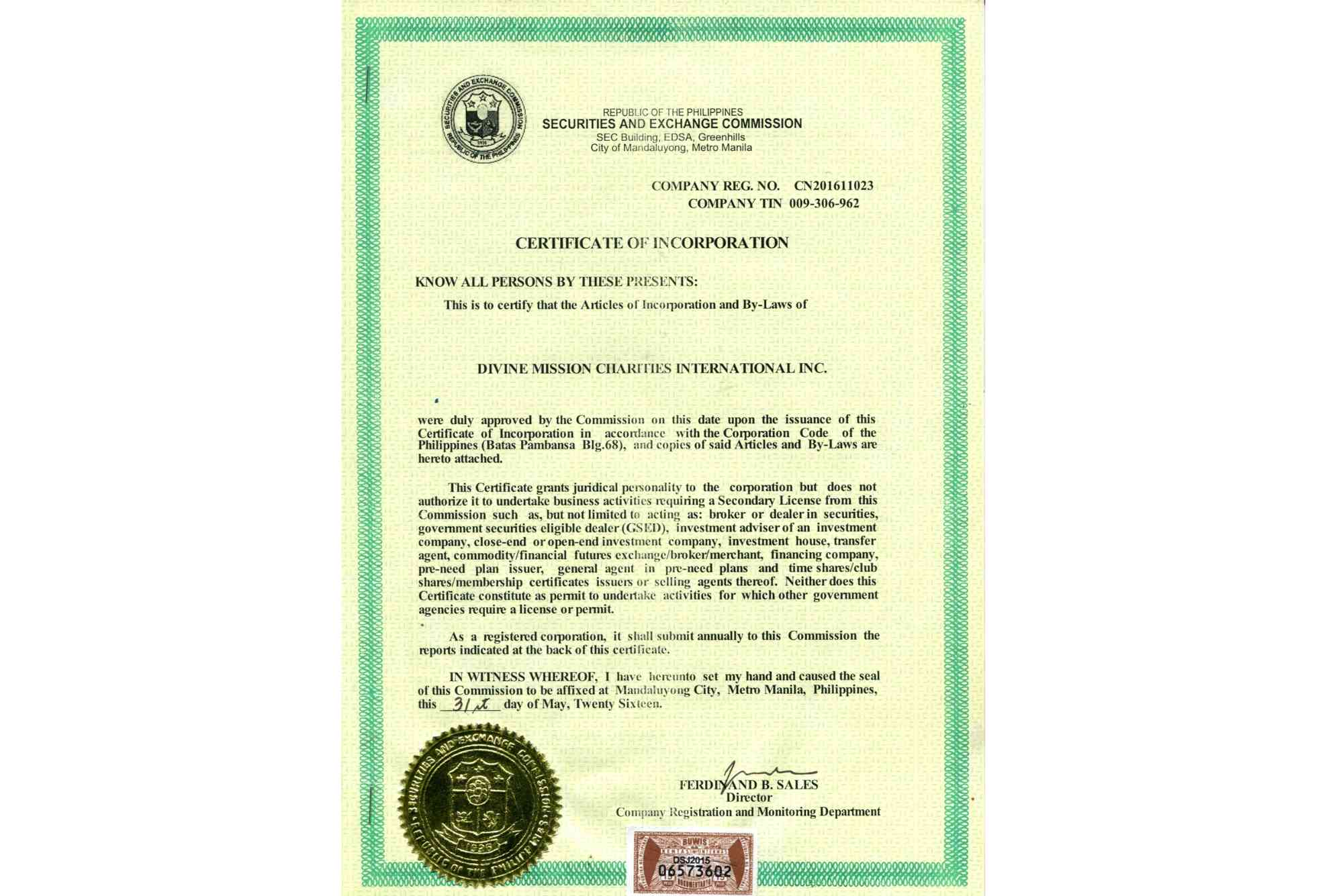
Navigating the complexities of the U.S. securities market begins with a crucial step: SEC registration. Whether you’re preparing for an IPO or a private placement exemption, understanding how to file, what documents to submit, and what a typical SEC registration sample looks like is essential.
In this guide, we break down the SEC registration process in clear terms. We’ll walk you through real-world examples, the legal framework, and the steps issuers must take to ensure full compliance with the U.S. Securities and Exchange Commission (SEC).
What Is SEC Registration?
SEC registration is the formal process through which companies disclose financial and operational information to the SEC before offering securities to the public. This process ensures transparency and protects investors.
By law, most securities must be registered with the SEC unless they qualify for an exemption. Failing to do so may result in penalties or enforcement actions.
Why SEC Registration Matters
Registering with the SEC builds investor trust and opens access to capital markets. It also ensures your company is compliant with federal securities laws.
While the process can be complex, understanding each step makes it manageable. A clear SEC registration sample can help demystify what to expect.

Key Forms in the SEC Registration Process
Form S-1: The IPO Starting Point
Most companies filing for an initial public offering (IPO) must submit Form S-1. It includes vital disclosures like:
- Financial statements audited by a CPA
- Management’s discussion and analysis
- Risk factors
- Use of proceeds
Form S-1 serves as the template many look to when searching for an SEC registration sample.
Form S-3: For Seasoned Issuers
If your company already meets certain reporting requirements, you may qualify to file Form S-3, which simplifies the registration process.
Form F-1: For Foreign Companies
Non-U.S. companies use Form F-1 when they want to access U.S. capital markets. It mirrors the S-1 but adapts to foreign accounting and legal standards.
Step-by-Step: SEC Registration Process
Pre-Filing Preparations
Before submission, gather all financial data, legal disclosures, and auditor certifications. Internal reviews at this stage are critical.
File the Registration Statement
Submit your chosen form (S-1, F-1, or S-3) electronically via the SEC’s EDGAR system.
Make sure your documents are formatted correctly and meet all disclosure requirements.
SEC Review
Once filed, the SEC reviews your statement. This phase includes comment letters and responses. Expect to go through multiple rounds.
The SEC is not validating your business model—they ensure that disclosures are complete and accurate.
SEC Comments & Amendments
Companies respond to SEC comment letters by filing amended versions. This dialogue continues until the SEC is satisfied with the disclosures.
Declare Effectiveness
Once the SEC is satisfied, they declare the registration “effective.” Only then can you begin legally selling your securities.
SEC Registration Sample: What It Looks Like
A typical SEC registration sample includes:
- A cover page with offering details
- A detailed prospectus
- Summary of risk factors
- Use of proceeds
- Management team bios
- Audited financials
You can view real registration statements on SEC’s EDGAR database. These serve as excellent benchmarks.
Common Challenges in the SEC Registration Process
Navigating Legal Language
The forms are filled with legal jargon. Working with securities attorneys ensures clarity and compliance.
Dealing with SEC Comments
Many first-time filers underestimate the importance of timely and thorough responses. Delays can stall your market entry.
Updating Disclosures
Your business doesn’t stop during registration. You may need to amend filings if material changes occur.
Tips for a Smooth SEC Registration
Engage Early with Legal Counsel
Don’t wait until the last minute. Having counsel from the start helps prevent costly missteps.
Be Transparent
Trying to “hide” information can result in legal consequences. Full disclosure is always best practice.
Use Real SEC Registration Samples
Analyze filings from companies in your industry. See how they’ve structured risk disclosures and financials.
Who Needs to Register with the SEC?
You must register if you’re:
- Offering securities to the public
- Not covered by an exemption (e.g., Regulation D, Rule 144A)
- Planning an IPO
Private offerings that meet certain criteria may bypass registration but must still follow SEC rules for exemptions.
Exemptions to SEC Registration
Some offerings qualify for exemption:
- Regulation D: For private offerings with accredited investors
- Regulation A+: For mini-IPOs up to $75 million
- Rule 144A: For institutional investors
Even exempt offerings may require filing a Form D or other disclosures.
Compliance After Registration
Ongoing Reporting Requirements
Once your registration is effective, you’re not done. Public companies must file:
- Quarterly reports (10-Q)
- Annual reports (10-K)
- Material event reports (8-K)
Corporate Governance
You must also maintain certain standards in board composition, internal controls, and shareholder communications.
Take the Next Step
Understanding the SEC registration process is essential for companies aiming to raise capital in the U.S. market. From choosing the right form to reviewing a reliable SEC registration sample, every step must be taken seriously.
Now that you’re equipped with the basics, it’s time to consult legal experts or explore real-life examples on EDGAR. The path to becoming a publicly registered company starts with knowledge.
Ready to register with the SEC?
Contact a qualified securities attorney or visit the SEC’s website for updated resources and guides.
FAQ: SEC Registration Process
What is an SEC registration statement?
It’s a detailed document a company files with the SEC before offering securities. It includes financial data, risk factors, and company details.
How long does SEC registration take?
Typically 3–6 months, depending on the SEC’s review and the company’s responsiveness to comments.
Do all companies need to register with the SEC?
No. Only those offering securities publicly. Private offerings may be exempt under specific SEC rules.
Where can I find an SEC registration sample?
Visit the SEC’s EDGAR database to view real registration statements from public companies.
What happens after the SEC declares the registration effective?
The company can legally sell its securities to investors, and it must begin ongoing reporting as a public entity.