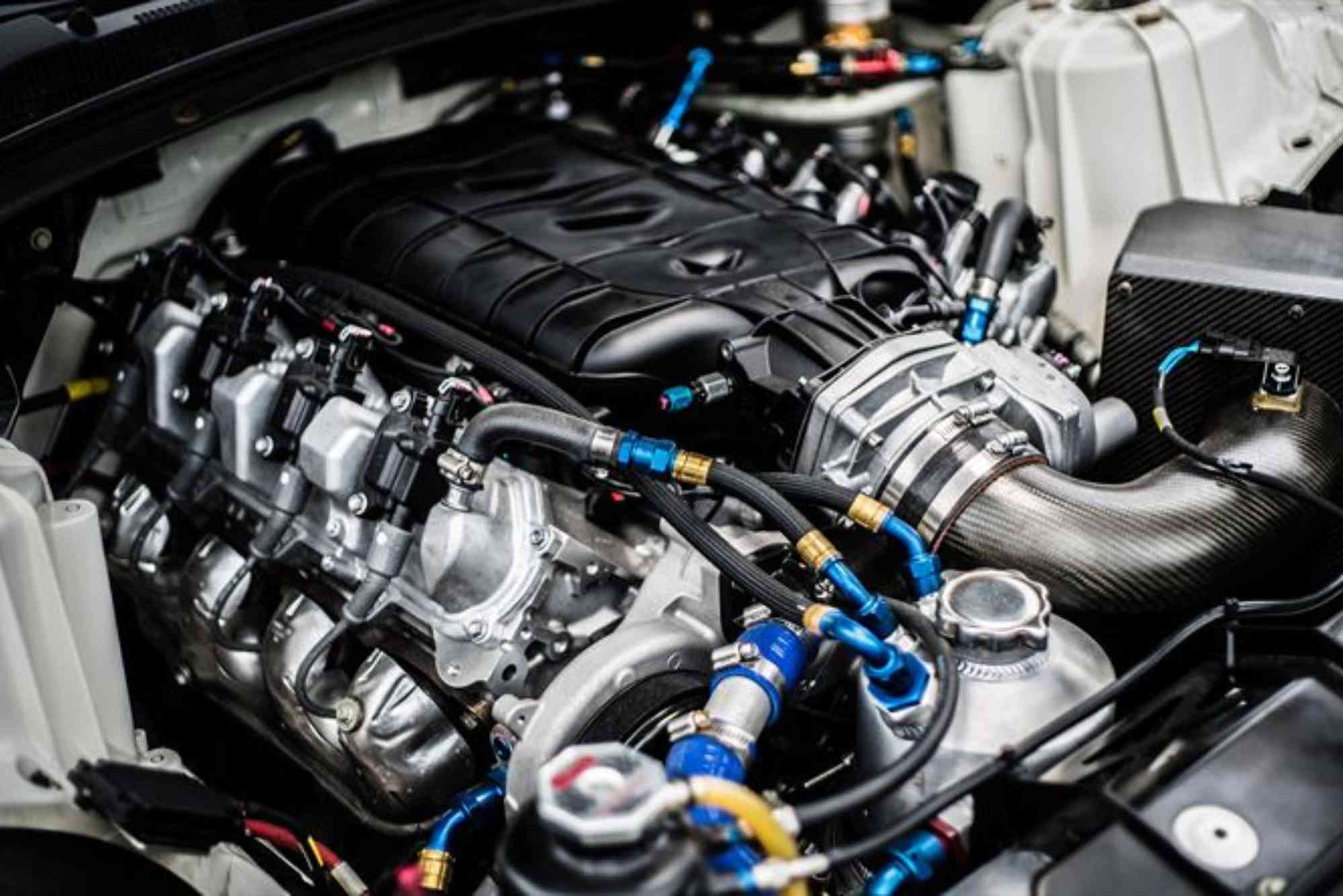
Every sports car tells a story, but its most thrilling chapter lives under the hood — the sports car engine. This machine is not just a power source; it’s the beating heart that defines speed, precision, and emotion. Whether it’s the roar on ignition or the instant surge of acceleration, the engine gives a sports car its soul. Understanding what makes a sports car engine so extraordinary is like uncovering the secret to pure driving joy.
The Essence of a Sports Car Engine
At its core, a sports car engine is built for performance. Unlike regular car engines designed mainly for efficiency and comfort, a sports car engine focuses on delivering power, responsiveness, and an exhilarating driving experience. It is engineered with precision components, lightweight materials, and high-performance systems that push limits.
From the moment you press the accelerator, the difference is unmistakable. Every sound, vibration, and burst of speed is intentional — a carefully orchestrated result of mechanical mastery. This is why sports car enthusiasts often say the engine defines the car’s character more than its design or technology.
What Makes a Sports Car Engine Different
The sports car engine stands apart due to its balance of power, control, and responsiveness. Engineers fine-tune every detail — from air intake systems to fuel injection — to ensure maximum efficiency and acceleration. While an average engine aims for smoothness and fuel economy, a sports car engine prioritizes speed and precision.
Most performance engines use higher compression ratios, specialized valve timing, and advanced turbocharging systems. These features allow for rapid bursts of energy that make every drive feel alive. The engine’s lightweight design, often using aluminum or carbon fiber components, reduces drag and improves handling. In short, every part of a sports car engine exists to make the car move faster, react quicker, and sound better.
Evolution of Sports Car Engines
The sports car engine has evolved dramatically over the decades. In the early days, sports cars relied on large naturally aspirated engines with raw, mechanical power. The growling V8s and smooth inline-sixes of the mid-20th century were icons of performance and craftsmanship. They offered a direct, visceral connection between the driver and the machine.

As technology advanced, manufacturers began exploring new ways to combine performance with efficiency. The introduction of turbocharged and supercharged engines in the 1980s and 1990s transformed the landscape. These innovations allowed smaller engines to produce greater power without increasing fuel consumption significantly.
Today’s sports car engines represent the perfect fusion of art and science. Modern engineering has embraced hybrid systems, electric assistance, and computer-controlled tuning. Yet, the soul of the sports car engine remains unchanged — it is still designed to thrill and inspire.
Anatomy of a High-Performance Engine
To appreciate the magic behind a sports car engine, one must understand its essential components. The heart of the engine is the combustion chamber, where fuel and air mix to create power. Pistons, connected to the crankshaft, move rapidly within these chambers, converting combustion energy into motion.
A sports car engine typically operates at higher revolutions per minute (RPM) than regular engines. This means it can produce more power in less time, leading to quicker acceleration and sharper response. To achieve this, manufacturers use precision-balanced crankshafts, reinforced connecting rods, and lightweight pistons.
Cooling systems play a vital role as well. With immense heat generated during performance driving, maintaining the right temperature ensures both reliability and endurance. Advanced oil circulation, intercoolers, and radiators work together to protect the engine from overheating.
Fuel delivery and air intake systems are finely tuned to achieve optimal combustion. Many sports cars use direct fuel injection combined with variable valve timing, which allows the engine to breathe efficiently across all RPM ranges. The result is seamless power delivery that feels effortless yet explosive.
The Role of Turbocharging and Supercharging
Modern sports car engines often use forced induction systems — turbochargers or superchargers — to enhance performance. A turbocharger compresses incoming air using exhaust gases, while a supercharger relies on the engine’s crankshaft for power. Both methods increase air density, allowing more fuel to burn and producing greater horsepower.
Turbocharged engines are favored for their balance of power and efficiency. They can generate immense output from smaller engine sizes, which helps reduce weight. Supercharged engines, on the other hand, deliver instant throttle response and a consistent surge of power, making them ideal for track-oriented cars.
Each system has its own character, but both share one goal: to maximize the potential of the sports car engine.
The Sound and Emotion of a Sports Car Engine
No discussion about sports car engines is complete without mentioning sound. The exhaust note is more than a byproduct of combustion — it’s an expression of the car’s identity. The deep rumble of a V8, the sharp wail of a V10, or the high-pitched scream of a V12 can evoke emotion before the car even moves.
Engineers spend countless hours tuning exhaust systems to create a unique acoustic signature. They understand that sound connects driver and machine on a deeply emotional level. When the engine revs and the exhaust sings, it transforms driving into a multisensory experience.
The harmony between mechanical precision and raw emotion is what sets a sports car engine apart from all others.
How Technology Is Redefining Performance
Today’s sports car engines are smarter than ever. Electronic control units (ECUs) constantly monitor variables such as air pressure, fuel delivery, and temperature to optimize performance. Advanced sensors and algorithms adjust power output in real time, ensuring perfect balance between speed and stability.
Hybrid technology has also made its way into performance cars. Combining traditional combustion engines with electric motors allows manufacturers to deliver instant torque while maintaining environmental efficiency. Cars like these prove that the future of sports car engines can be both powerful and sustainable.
Lightweight materials and improved aerodynamics further enhance engine performance. Reduced vehicle weight means less strain on the engine, allowing for faster acceleration and improved handling. Every gram saved translates into greater agility and control.
Maintenance: Keeping the Heart Healthy
A sports car engine requires attention and care. Regular maintenance ensures longevity and consistent performance. High-performance engines operate under extreme conditions, so oil changes, cooling checks, and regular inspections are essential.
Using premium fuel is also vital. Sports car engines are built with high compression ratios that demand superior octane levels to prevent knocking. Proper lubrication, timely belt replacements, and monitoring fluid levels help maintain optimal efficiency.
Caring for a sports car engine is not just a responsibility — it’s part of the ownership experience. A well-maintained engine rewards the driver with reliability, performance, and that unmistakable thrill of power on demand.
The Future of Sports Car Engines
As the automotive industry shifts toward electrification, the role of the sports car engine is evolving. Manufacturers are now blending traditional performance with cutting-edge electric technology. The rise of hybrid and fully electric sports cars has sparked debate among enthusiasts about what defines true performance.
Yet, even in this new era, the spirit of the sports car engine remains alive. The roar might become a hum, and the gears might be replaced with instant torque, but the pursuit of speed, emotion, and connection endures. Whether powered by gasoline or electrons, the heart of performance will always beat strongly in sports cars.
Frequently Asked Questions
What makes a sports car engine different from a normal car engine?
A sports car engine is built for power, speed, and responsiveness, while regular engines focus on efficiency and comfort. Sports car engines often use higher compression, lighter materials, and advanced tuning for maximum performance.
Why do sports car engines sound so unique?
Their sound comes from specialized exhaust designs and engine configurations. The tone is tuned to express the car’s personality and enhance the driving experience.
Are electric sports car engines as powerful as gasoline ones?
Yes, in many cases. Electric motors deliver instant torque, often outperforming traditional engines in acceleration. However, some drivers miss the sound and feel of combustion engines.
How long can a sports car engine last?
With proper maintenance, a sports car engine can last well over 150,000 kilometers. Regular servicing and quality fuel play a crucial role in longevity.
Do sports car engines require special maintenance?
Yes, due to their high-performance design, they require premium oils, timely inspections, and careful handling to ensure consistent performance and durability.
Power, Precision, and Passion
The sports car engine is more than a collection of metal parts — it’s the very soul of performance driving. It represents power, precision, and a timeless passion for motion. From the first turn of the key to the final burst down an open road, the engine connects driver and machine in a way no other component can.
As technology continues to evolve, one truth remains: the thrill of a sports car begins with its engine. It is the heart that drives innovation and the spirit that keeps performance alive.
If you’ve ever dreamed of owning a sports car, remember — it’s not just about speed. It’s about feeling the heartbeat of performance every time you press the accelerator. That’s the true magic of a sports car engine.