Art education has long been at the heart of human expression, shaping how we understand the world and ourselves. Yet, in an era dominated by technology, data, and standardization, it’s easy to overlook its importance. Insights from The Conversation art education reveal how creativity nurtures empathy, problem-solving, and innovation—skills that remain essential in today’s evolving world. Art education is more than painting or sculpting; it is a vital part of learning that builds emotional intelligence, cognitive growth, and cultural awareness.
The Enduring Value of Art in Education
Art education provides a foundation for lifelong learning. It cultivates creativity—the ability to think differently, to see beyond the obvious, and to imagine possibilities where none seem to exist. According to discussions from The Conversation art education articles, the arts play a central role in shaping how we interpret information and express ideas. When students engage in art, they practice reflection, analysis, and empathy, which extend into all aspects of life.
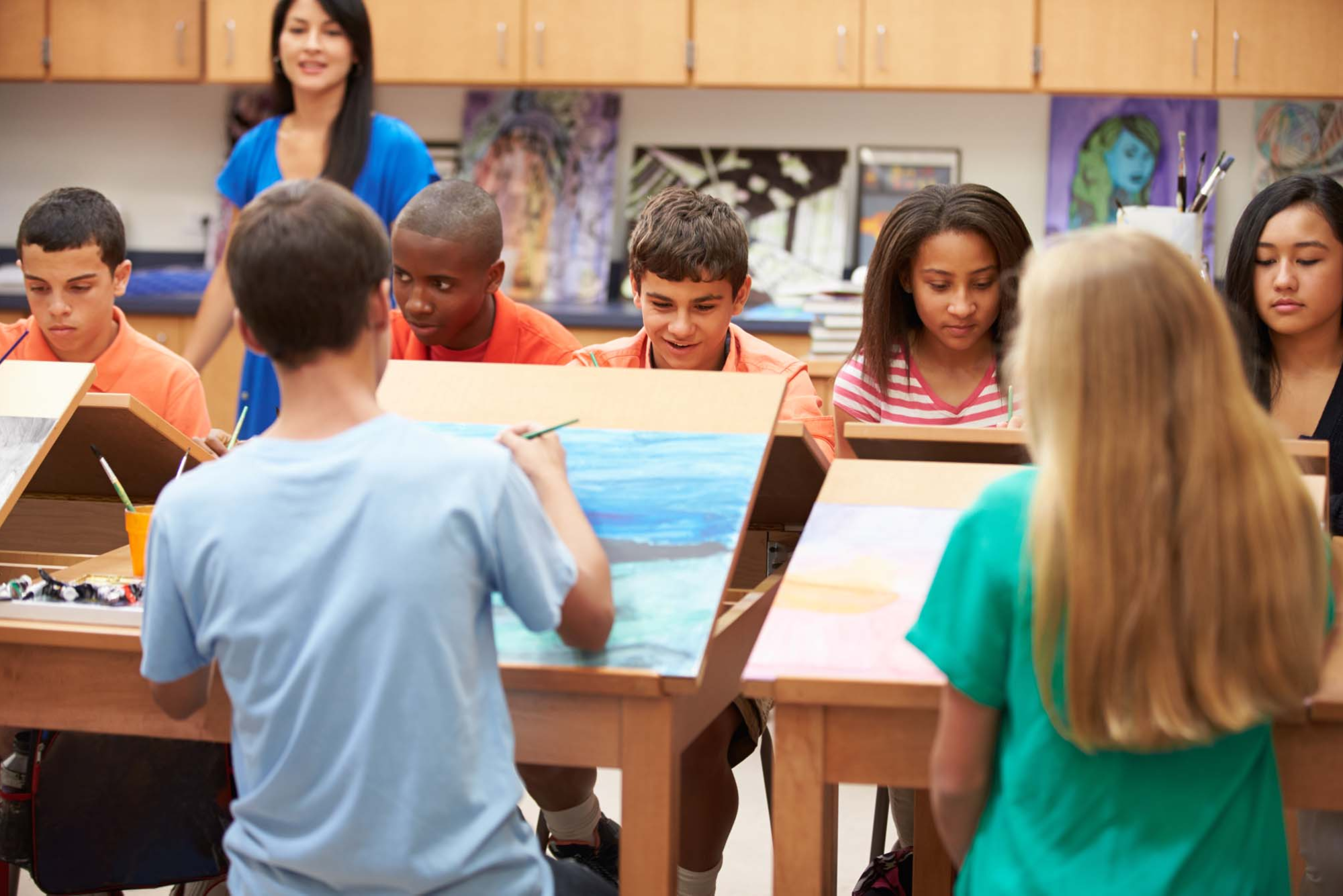
Teachers often note that art classrooms are where students feel most free to express themselves. Through drawing, drama, or music, learners explore personal identity while understanding different perspectives. This process strengthens emotional development, giving students the tools to communicate complex feelings and experiences.
How Art Education Enhances Cognitive Development
One of the most compelling insights from The Conversation art education is the clear connection between art and cognitive growth. When children learn to draw, compose music, or analyze a painting, their brains engage in higher-order thinking. These activities enhance memory, spatial reasoning, and critical thinking. Research also indicates that students who participate in arts programs often perform better academically, not because art replaces other subjects, but because it complements them.
Art encourages what psychologists call “divergent thinking”—the ability to generate multiple solutions to a problem. In a world that values innovation, this kind of thinking is priceless. It trains the mind to explore possibilities rather than settle for a single answer. Through such experiences, learners develop resilience and adaptability, qualities that are crucial in today’s unpredictable environment.
Art Education and Emotional Intelligence
Another major takeaway from The Conversation art education is how deeply art influences emotional intelligence. Creating or interpreting art requires sensitivity to emotions—our own and those of others. When students analyze a story, a performance, or a painting, they learn to recognize and interpret emotional cues.

This practice builds empathy, an essential social skill often overlooked in traditional education. Students who engage in the arts are better able to handle frustration, express emotions constructively, and understand different viewpoints. These emotional skills carry over into relationships, teamwork, and leadership roles.
Art classrooms also provide safe spaces for students who may struggle academically or socially. They allow for exploration and personal expression without the rigid constraints of standardized assessment. This freedom helps learners develop confidence, motivation, and a sense of belonging—all of which are linked to long-term success.
Cultural Understanding Through the Arts
Art education offers more than personal growth; it opens doors to cultural understanding. Insights from The Conversation art education emphasize that through art, students encounter different traditions, histories, and perspectives. Learning about global art movements or indigenous crafts fosters appreciation for diversity and heritage.
When learners engage with artworks from different cultures, they develop respect for differences and recognize shared human values. This understanding builds tolerance and global awareness—essential qualities in our interconnected world. Art becomes a universal language that bridges gaps between people and generations.
Art as a Catalyst for Innovation
Innovation does not exist without imagination, and imagination thrives in the arts. The modern economy increasingly values creativity as a core skill. Whether designing technology, developing products, or crafting policies, the ability to think creatively is indispensable. The Conversation art education highlights how artistic training nurtures this mindset by encouraging experimentation and curiosity.
Artists are natural problem solvers. They explore new materials, test limits, and embrace uncertainty. These same qualities drive innovation in science, business, and technology. When schools integrate art into their curriculum, they cultivate students who can approach challenges creatively—individuals who can adapt, invent, and inspire.
The Role of Art Teachers in Shaping Creative Minds
Behind every thriving art program are dedicated educators who guide and inspire students. Art teachers do more than teach technique; they mentor learners in observation, reflection, and perseverance. The Conversation art education often celebrates the transformative power of these educators, who help students connect their inner experiences with the world around them.
Art teachers encourage risk-taking and experimentation. They understand that not every project will succeed, but every effort contributes to growth. By teaching students to view mistakes as opportunities, they instill resilience and curiosity—traits essential beyond the classroom.
Challenges Facing Art Education Today
Despite its proven value, art education often faces funding cuts and marginalization. Many schools prioritize science, technology, engineering, and mathematics (STEM) over the arts, assuming they offer more “practical” career paths. Yet insights from The Conversation art education argue that this separation is misguided.
Art and science are not opposites—they complement each other. Both rely on observation, experimentation, and creativity. The neglect of arts education risks creating generations of students who can compute and analyze but lack the imagination to innovate.
Budget constraints, standardized testing, and policy pressures often push art programs to the sidelines. As a result, students miss out on the opportunity to develop a well-rounded intellect. Protecting and promoting art education is essential for maintaining a balanced and humane society.
Integrating Art into the Modern Curriculum
The future of education depends on recognizing the interconnectedness of knowledge. Integrating art into all subjects can create richer learning experiences. Mathematics and music share rhythm and pattern; science and painting both explore color, form, and observation.
The Conversation art education often discusses how interdisciplinary teaching can transform classrooms. When students design an engineering project that incorporates aesthetics, they learn that creativity enhances function. When literature classes include visual storytelling, students engage more deeply with language and meaning.
Integrating art is not about replacing traditional subjects but enriching them. This approach helps learners connect abstract ideas with real-world experiences, making education more meaningful and memorable.
The Social Impact of Art Education
Art education also plays a powerful social role. It promotes community engagement, fosters dialogue, and supports inclusion. Through shared creative projects, people of different backgrounds can collaborate, express themselves, and build understanding.
From school murals to community performances, art brings people together. It has the power to heal, to raise awareness, and to inspire change. Insights from The Conversation art education remind us that the arts are not luxuries—they are necessities for building compassionate and connected communities.
In underprivileged areas, access to art education can be transformative. It provides a sense of identity and purpose, empowering individuals to envision brighter futures. Programs that offer creative outlets often report improved student behavior, attendance, and engagement.
Art Education in the Digital Age
As technology reshapes learning, art education adapts alongside it. Digital tools expand the possibilities of artistic creation, offering new platforms for expression. Students now explore animation, digital illustration, video editing, and interactive design.
The Conversation art education highlights how digital art fosters both creativity and technical literacy. Learning to use design software or digital media teaches students to think critically about visuals, communication, and technology. Yet it also raises questions about authenticity and creative ownership—issues that require ethical reflection and thoughtful discussion.
Digital art education blends the traditional with the modern, helping learners navigate the intersection of creativity and technology. It prepares them for careers in design, entertainment, marketing, and more, while keeping imagination at the center of innovation.
The Future of Art Education
Looking ahead, the insights from The Conversation art education point toward a future where creativity is not optional but essential. As automation and artificial intelligence reshape the workforce, the uniquely human capacities for imagination, empathy, and storytelling will become even more valuable.
Schools that invest in art education invest in the next generation of thinkers, creators, and innovators. A future driven by technology still depends on human creativity—the spark that drives discovery and progress.
Governments, educators, and communities must work together to ensure that every child has access to high-quality art education. This commitment will not only enrich individual lives but also strengthen society as a whole.
Frequently Asked Questions
What is the importance of art education?
Art education develops creativity, critical thinking, and emotional intelligence. It enhances academic performance and nurtures empathy, preparing students for all aspects of life.
How does art education influence creativity?
It encourages exploration and experimentation, teaching students to view challenges as opportunities. This mindset fuels innovation across disciplines.
Can art education improve academic performance?
Yes, studies show that students involved in the arts often perform better academically. Artistic activities improve concentration, memory, and problem-solving skills.
Why is art often undervalued in schools?
Many systems prioritize measurable outcomes in math and science, overlooking the long-term benefits of creativity and emotional development that art provides.
How can we promote art education in the future?
By integrating arts into all subjects, supporting art teachers, and recognizing creative learning as essential to both personal and societal progress.
Embracing the Power of Art
Art education is not a luxury—it is a necessity for human growth, understanding, and innovation. Insights from The Conversation art education reveal that through art, we learn to think deeply, feel compassionately, and act creatively. Art builds bridges between disciplines, communities, and generations.