The Effect of Tourism on the Economy – Global Impacts
Tourism has become one of the most dynamic and rapidly growing industries in the world. From boosting employment to increasing foreign exchange earnings, the effect of tourism on economy is both powerful and far-reaching. Today, nearly every country recognizes tourism as a vital economic engine that supports development, infrastructure, and social growth. Understanding how tourism affects economies globally helps policymakers and investors make informed decisions about future growth strategies.
Introduction to the Economic Power of Tourism
The effect of tourism on economy can be seen in multiple dimensions—direct, indirect, and induced impacts. When travelers spend on accommodation, food, transport, and activities, they directly inject money into local businesses. This spending circulates through the economy, creating a ripple effect that benefits even non-tourism sectors. Tourism not only provides immediate economic benefits but also contributes to long-term sustainable development by encouraging investment, cultural exchange, and environmental awareness.
According to the World Travel & Tourism Council (WTTC), the global tourism industry contributes over 10% of the world’s GDP and supports more than 300 million jobs. This figure underscores tourism’s importance as a global economic powerhouse, especially for developing nations that rely on it for income and infrastructure growth.
How Tourism Contributes to Economic Growth
Job Creation and Employment Opportunities
One of the most significant effects of tourism on economy is job creation. The sector provides direct employment in hotels, airlines, restaurants, and travel agencies. It also generates indirect jobs in sectors like construction, agriculture, and crafts that support tourism activities. For many developing countries, tourism serves as one of the largest sources of employment, particularly for women and youth.
Seasonal and part-time jobs are also common in tourism-driven regions, allowing people to earn income during peak travel periods. Moreover, as destinations develop, the demand for skilled professionals in hospitality management, marketing, and event planning continues to rise, leading to professional growth opportunities.
Boosting Foreign Exchange Earnings
Tourism brings foreign currency into a country, strengthening its balance of payments. When international visitors spend money on hotels, transportation, souvenirs, and entertainment, these transactions contribute to a nation’s foreign exchange reserves. This income is vital for countries that depend heavily on imports or struggle with trade deficits.

For example, island nations like the Maldives, Fiji, and Seychelles rely heavily on tourism receipts to maintain their economies. Without tourism, these nations would face serious challenges in funding infrastructure and social services.
Development of Infrastructure and Public Services
The growth of tourism often leads to the development of better infrastructure, including roads, airports, water systems, and communication networks. Governments invest in improving facilities to attract more visitors, and these improvements also benefit local residents. Enhanced public transport, healthcare access, and urban development projects create a more efficient and connected society.
For instance, tourism-driven cities like Dubai, Singapore, and Bangkok have invested heavily in modern infrastructure, transforming into global travel hubs that support both local and international business activity.
Encouraging Investment and Entrepreneurship
Tourism encourages entrepreneurship and small business development. Local entrepreneurs can start hotels, tour companies, restaurants, or souvenir shops catering to tourists. Foreign investors are also drawn to developing countries where tourism potential is high. This inflow of capital not only creates more jobs but also fosters innovation and competition.
For example, the growth of eco-tourism and adventure tourism has inspired entrepreneurs to create sustainable travel experiences, from eco-lodges in Costa Rica to cultural homestays in Nepal. These ventures combine economic benefits with environmental conservation, aligning business goals with sustainability.
The Indirect and Induced Effects of Tourism
Beyond the direct financial gains, the effect of tourism on economy extends through indirect and induced impacts. When tourism businesses purchase goods and services from local suppliers—such as farmers, manufacturers, or utility companies—this creates an indirect economic chain. Additionally, when employees spend their wages locally, it induces further economic activity in retail, education, and housing sectors.
This multiplier effect ensures that the benefits of tourism spread across multiple layers of society. Even people who are not directly involved in tourism can feel its economic impact through increased job opportunities and improved quality of life.
Tourism’s Role in Rural and Regional Development
Tourism plays a crucial role in the economic revitalization of rural and remote areas. By attracting visitors to natural landscapes, heritage sites, and cultural festivals, tourism provides income opportunities to communities that might otherwise rely solely on agriculture or resource-based industries.
For instance, in many parts of Africa, Asia, and Latin America, community-based tourism initiatives have empowered local populations. Travelers who visit these areas spend money on accommodation, handicrafts, and guided tours, allowing residents to preserve their cultural identity while improving their living standards.
Challenges of Tourism on the Economy
Seasonal Dependence and Employment Instability
While tourism generates employment, it often depends heavily on seasons. Destinations with defined peak seasons may struggle with job instability during off-peak times. This cyclical pattern affects workers’ financial security and can make local economies vulnerable to sudden downturns.
Inflation and Rising Living Costs
In highly touristic areas, demand for goods and services can drive up prices. Local residents may face higher housing and food costs as tourism businesses cater to visitors with greater purchasing power. This can lead to inequality between those who benefit directly from tourism and those who do not.
Economic Leakage
A considerable portion of tourism income sometimes leaves the local economy, especially when foreign-owned companies dominate the industry. This phenomenon, known as economic leakage, reduces the positive impact tourism could otherwise have. Encouraging local ownership and sourcing helps retain more money within the destination.
Environmental and Cultural Costs
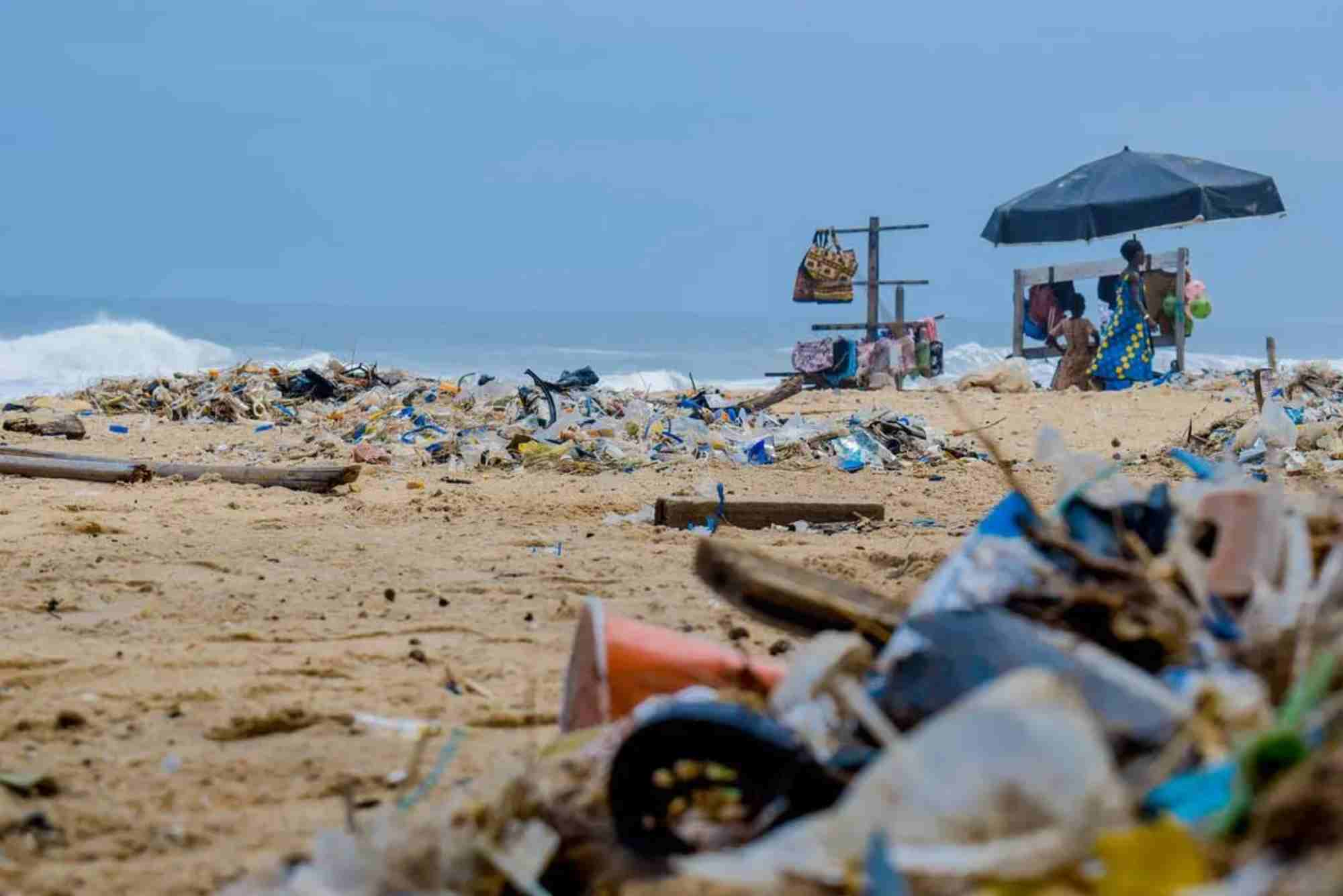
Although tourism contributes to economic growth, it can also put pressure on natural and cultural resources. Overcrowding, pollution, and environmental degradation can harm destinations in the long run. Balancing economic gain with sustainability is essential for maintaining long-term benefits.
Global Case Studies on the Effect of Tourism on Economy
Countries like Spain, Thailand, and the UAE showcase how strategic tourism policies can transform national economies. Spain earns billions annually from tourism, contributing around 12% to its GDP. Thailand’s economy relies significantly on international arrivals, with millions visiting its beaches and temples each year. Meanwhile, the UAE has leveraged luxury tourism, turning Dubai and Abu Dhabi into global icons of modern hospitality.
In developing regions, such as sub-Saharan Africa and Southeast Asia, tourism has become a lifeline for economic development. For example, Kenya’s safari tourism supports thousands of local jobs, while Vietnam’s cultural tourism continues to attract international investment.
Sustainable Tourism and Long-Term Economic Benefits
Sustainability has become a central theme in global tourism development. The future of tourism depends on balancing economic benefits with environmental preservation and social well-being. Sustainable tourism encourages responsible travel practices that minimize negative impacts and ensure long-term prosperity.
Many countries now promote eco-friendly resorts, renewable energy use, and cultural preservation projects. These initiatives not only protect the environment but also attract a growing segment of environmentally conscious travelers. The result is a sustainable cycle of economic and ecological benefit.
The Future Outlook for Global Tourism and Economic Growth
As technology advances, digitalization is reshaping the tourism landscape. Online booking platforms, smart tourism apps, and data-driven marketing strategies are enabling destinations to reach wider audiences. Virtual tourism, powered by augmented and virtual reality, is also emerging as a tool for promoting attractions.
The global tourism industry is expected to continue expanding, particularly as emerging markets in Asia, Africa, and South America develop their infrastructure. However, resilience and adaptability will be crucial. Events like pandemics, political unrest, or climate change can disrupt tourism flows, so diversification and sustainability must remain priorities.
Harnessing the Power of Tourism for Economic Prosperity
The effect of tourism on economy is undeniable—it drives GDP growth, generates employment, fosters innovation, and enhances cultural understanding. However, the true potential of tourism lies in sustainable development that balances economic expansion with environmental and social responsibility.
Governments, businesses, and travelers all play a role in shaping the future of global tourism. By promoting responsible travel and investing in local communities, we can ensure that tourism continues to serve as a powerful force for inclusive and lasting economic prosperity. If you’re a policymaker, business owner, or traveler, take part in shaping sustainable tourism. Support local enterprises, choose eco-friendly options, and promote responsible travel—because a thriving global economy starts with conscious choices in tourism.
FAQs
What is the main economic impact of tourism?
Tourism contributes to GDP growth, creates jobs, and increases foreign exchange earnings. It also stimulates infrastructure development and boosts local businesses.
How does tourism affect developing countries’ economies?
For developing nations, tourism provides a major source of income, foreign investment, and employment. It also promotes cultural exchange and rural development.
Can tourism have negative economic effects?
Yes, if unmanaged, tourism can cause inflation, income inequality, and environmental strain. Overdependence on tourism can also make economies vulnerable to external shocks.
How can countries make tourism more sustainable?
By promoting local ownership, protecting natural resources, and encouraging responsible travel behaviors, countries can make tourism economically and environmentally sustainable.
Why is tourism important for global economic development?
Tourism promotes trade, investment, and cross-cultural understanding. It drives innovation in transportation, technology, and hospitality, making it a catalyst for overall global growth.