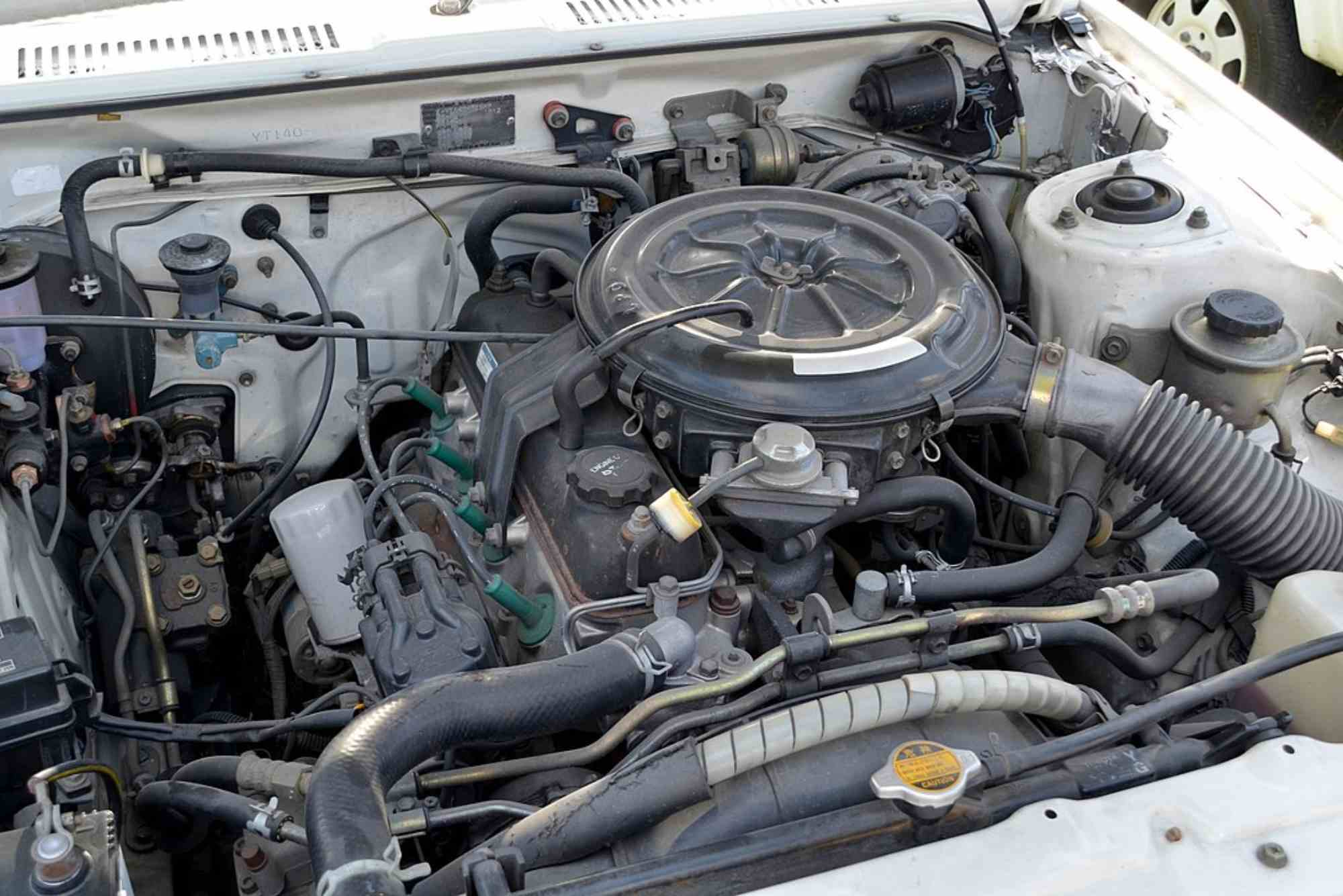
The Toyota 2Z engine has earned a legendary status among mechanics, fleet owners, and Toyota enthusiasts alike. Known for its balance of power, efficiency, and exceptional longevity, this engine represents Toyota’s dedication to precision engineering and dependability. When discussing reliable powerplants for commercial and industrial vehicles, the Toyota 2Z engine consistently stands out as one of the most resilient. But what truly makes it so durable, and why has it maintained a strong reputation for decades? Let’s dive deeper into its construction, performance, and real-world reliability to understand why this engine continues to perform where others fail.
Understanding the Toyota 2Z Engine
The Toyota 2Z engine is part of Toyota’s Z-series, which was developed for use in commercial vehicles and forklifts rather than passenger cars. Built with practicality in mind, the engine prioritizes strength, simplicity, and serviceability over high-speed performance. Designed to run efficiently under demanding conditions, the Toyota 2Z engine became synonymous with reliability across various industries, from manufacturing to logistics.
This 2.4-liter inline-four gasoline engine features a cast-iron block with an aluminum cylinder head, a configuration that ensures a perfect balance between durability and heat dissipation. Its sturdy design allows it to withstand high workloads for extended hours without losing efficiency. The simple overhead valve (OHV) setup further adds to its reliability, reducing mechanical complexity and making maintenance straightforward for technicians worldwide.
Why the Toyota 2Z Engine Is Renowned for Durability
Toyota has long been associated with engines that seem to outlast the vehicles they power. The Toyota 2Z engine embodies that philosophy through several key engineering principles that make it exceptionally long-lived and dependable in all environments.
Precision Engineering and Robust Construction
At its core, the durability of the Toyota 2Z engine comes from its meticulous construction. The cast-iron block provides remarkable rigidity, minimizing wear and distortion even under extreme thermal and mechanical stress. The aluminum cylinder head efficiently dissipates heat, maintaining optimal temperature control and preventing warping or cracking over time.
Every moving component—from the crankshaft to the pistons—has been engineered with tight tolerances. This precision reduces friction and ensures smooth operation for thousands of hours. Toyota’s quality control during production ensures that each 2Z engine meets exacting standards before leaving the factory, reducing the likelihood of early wear or failure.

Simple Yet Effective Design
Unlike many modern engines overloaded with electronics, the Toyota 2Z engine maintains a straightforward mechanical design. This simplicity is one of its biggest advantages. With fewer sensors, complex timing systems, and electronic components to fail, it offers consistent performance even in harsh conditions where modern engines may struggle.
The carbureted fuel system, although considered old-fashioned today, is easy to service and highly reliable. Mechanics can repair or adjust it using basic tools, reducing downtime and maintenance costs. This mechanical simplicity is exactly what makes the 2Z so appealing in industrial applications where reliability is more valuable than cutting-edge technology.
Engine Cooling and Lubrication Efficiency
Durability depends heavily on an engine’s ability to manage heat and friction. The Toyota 2Z engine excels in both areas. Its advanced cooling passages within the block and head allow for even temperature distribution, minimizing the risk of overheating during prolonged operation.
The lubrication system is designed to maintain steady oil pressure across all conditions. Oil reaches critical engine components quickly after startup, reducing metal-to-metal contact and preventing premature wear. These systems work harmoniously to extend the life of the engine and sustain smooth operation under heavy loads.
Performance Characteristics That Support Longevity
While durability is the defining trait of the Toyota 2Z engine, its performance characteristics also contribute to its lasting value.
The 2.4-liter displacement delivers steady torque at low to mid-range RPMs, which suits industrial and commercial demands perfectly. Rather than chasing high horsepower numbers, the 2Z engine focuses on producing usable power where it matters most—during acceleration under load or when maintaining consistent operation in machinery and forklifts.
This conservative power delivery reduces internal stress, allowing components to last longer. The engine’s compression ratio and combustion efficiency ensure clean burning, which not only extends engine life but also keeps maintenance requirements low. When paired with Toyota’s high-quality components, these design decisions result in an engine that can operate smoothly for years with minimal intervention.
Real-World Applications and Proven Reliability
The Toyota 2Z engine found its way into numerous Toyota industrial vehicles and forklifts, including popular models from the late 1980s through the early 2000s. These vehicles often operated in challenging environments—warehouses, docks, and factories—where engines are subjected to high heat, constant use, and minimal rest periods.
Despite these demanding conditions, the Toyota 2Z engine consistently demonstrated remarkable reliability. Operators reported that these engines could run for thousands of hours before requiring major overhauls. Even when neglected, many continued to function efficiently, a testament to their robust design.
Fleet managers often cite the 2Z’s low operating costs and long service intervals as major benefits. With routine oil changes and basic maintenance, the engine rarely experiences catastrophic failures. This real-world dependability helped cement its reputation as one of Toyota’s most durable industrial engines.
Maintenance and Longevity Tips
Although the Toyota 2Z engine is known for its resilience, proper care remains essential for maximizing its life span. Regular oil changes using quality lubricants, maintaining clean air filters, and checking coolant levels are basic but vital steps.
Because the engine relies heavily on mechanical components, paying attention to valve clearances and timing adjustments can prevent performance losses and mechanical strain. Simple maintenance routines, performed consistently, allow the 2Z to perform well beyond its expected service life. Many users have documented engines surpassing 10,000 operating hours with only minimal rebuilds—an impressive feat that showcases Toyota’s engineering excellence.
How the Toyota 2Z Engine Compares to Modern Alternatives
Modern engines often prioritize fuel efficiency and emissions control over raw durability. While this shift benefits the environment, it also introduces complexity. Advanced electronics, turbocharging, and high-pressure fuel systems, though powerful, increase maintenance requirements and potential failure points.
In contrast, the Toyota 2Z engine represents a more traditional philosophy: simplicity equals reliability. Its mechanical nature ensures that it remains easy to diagnose and repair, even in regions with limited access to modern diagnostic tools. This simplicity gives it a clear advantage in certain industries where downtime can be costly and technical expertise may not always be available.
Moreover, while modern engines might outperform the 2Z in fuel economy or emissions, few can match its consistency and longevity in harsh industrial settings. That is why many Toyota forklifts equipped with the 2Z engine are still operational decades after production ended.
The Legacy of the Toyota 2Z Engine
The legacy of the Toyota 2Z engine is built on reliability, simplicity, and proven performance. Its long service life across countless applications demonstrates Toyota’s understanding of what customers truly value in an industrial engine: dependability and low maintenance.
Even though newer engines have replaced it in most of Toyota’s lineup, the 2Z remains respected among mechanics and operators. Many still prefer it because of its predictable behavior, ease of maintenance, and resilience against wear. The continued demand for parts and rebuild kits reflects how highly regarded it remains in the global market.
FAQs About the Toyota 2Z Engine
What is the displacement of the Toyota 2Z engine?
The Toyota 2Z engine has a displacement of 2.4 liters, offering a balanced combination of torque and efficiency for industrial applications.
Is the Toyota 2Z engine fuel-efficient?
While not as fuel-efficient as modern engines with electronic fuel injection, the 2Z is optimized for steady, low-RPM operation, resulting in decent fuel economy for its class.
How long can a Toyota 2Z engine last?
With regular maintenance, many Toyota 2Z engines exceed 10,000 operating hours, and some continue functioning efficiently for decades in light-duty use.
What type of vehicles use the Toyota 2Z engine?
It is primarily used in Toyota forklifts, light trucks, and other industrial vehicles that require robust and continuous operation.
Is the Toyota 2Z engine easy to repair?
Yes, its simple mechanical design makes it very accessible for repairs. Most common maintenance tasks can be completed with basic tools.
Why the Toyota 2Z Engine Remains a Durable Icon
The Toyota 2Z engine embodies the essence of Toyota’s engineering philosophy: build it simple, strong, and reliable. Its robust construction, efficient cooling and lubrication systems, and straightforward mechanical design make it an enduring choice for industries worldwide. In a world where technology often adds complexity, the 2Z stands as a reminder that true durability comes from solid fundamentals.
Whether used in forklifts, industrial machines, or older commercial vehicles, the Toyota 2Z engine continues to deliver dependable performance year after year. For anyone seeking a proven powerplant that prioritizes reliability over flash, this engine remains one of the best examples of Toyota’s unmatched commitment to quality.