Post-Secondary Education: What It Means for Your Career
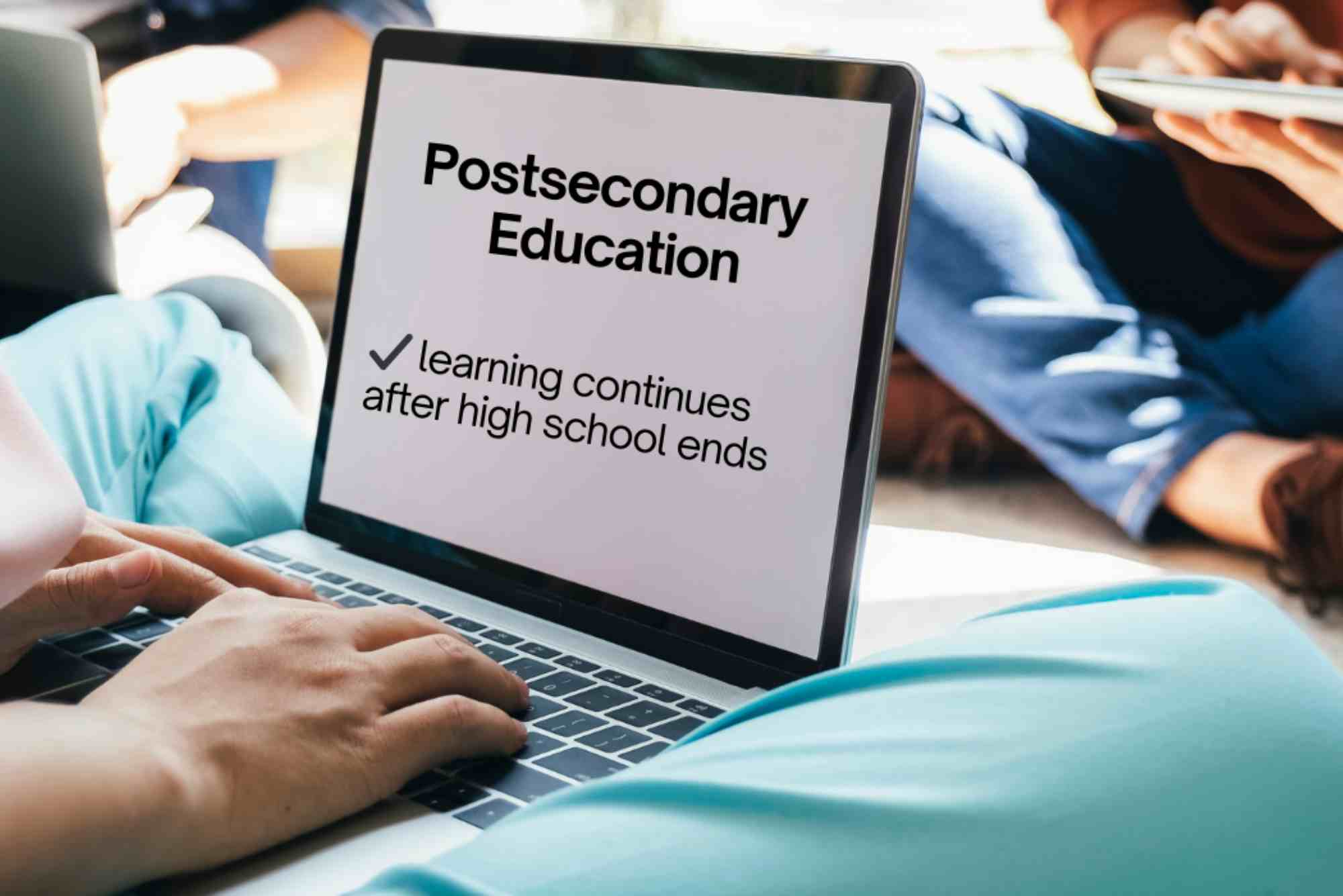
Understanding what is post secondary education is essential for anyone planning their career path. It refers to any education that takes place after high school, including college, university, vocational training, and professional certification programs. It plays a crucial role in shaping your future, opening doors to better career opportunities, higher salaries, and personal growth.
In today’s competitive job market, a high school diploma is often not enough. Employers look for candidates with specialized skills and qualifications, which can only be gained through further education. Whether you aim for a degree in engineering, a diploma in graphic design, or certification in project management, post-secondary education helps you build the expertise employers need.
Understanding What is Post Secondary Education
Post-secondary education is the stage of learning that follows secondary school. It includes various types of institutions and programs designed to provide advanced knowledge and skills. The goal is to prepare students for professional careers, skilled trades, or advanced academic pursuits.
While the term often brings to mind traditional universities, it also includes community colleges, trade schools, apprenticeship programs, and online courses. This flexibility allows students to choose a path that aligns with their career goals and financial situation.
Types of Post-Secondary Education
University Education
Universities offer undergraduate and postgraduate degrees in a wide range of fields. An undergraduate degree typically takes three to four years to complete. Postgraduate programs such as master’s and doctoral degrees offer advanced specialization. University education is best for careers requiring in-depth theoretical knowledge and research skills, such as medicine, law, and academia.
College and Community College Programs
Colleges focus on practical training and career-oriented programs. They offer diplomas and certificates that can be completed in a shorter time than university degrees. Community colleges often provide affordable education and serve as a stepping stone to university. Programs in fields like nursing, business administration, and culinary arts are popular choices.

Vocational and Technical Training
Vocational schools train students for specific trades such as automotive repair, construction, or cosmetology. These programs are typically shorter and more hands-on than university courses. Technical training equips students with industry-specific skills that are immediately applicable in the workplace.
Professional Certification Programs
Professional certifications enhance your qualifications in specific areas, such as accounting, IT, or project management. These programs are ideal for professionals looking to advance their careers or switch to a new field without committing to a long-term degree program.
Why Post-Secondary Education Matters for Your Career
Post-secondary education expands your knowledge and skills, making you a more competitive candidate in the job market. Employers value candidates with specialized training because they require less on-the-job training.
Additionally, data consistently shows that higher education levels correlate with higher earnings. Graduates of post-secondary institutions typically have greater job stability, more career advancement opportunities, and access to roles with better benefits.
It also fosters critical thinking, problem-solving, and communication skills—qualities that are valuable in any profession. For those interested in entrepreneurship, post-secondary education provides the business knowledge and industry insights necessary to start and grow a company successfully.
Choosing the Right Post-Secondary Path
Selecting the right program depends on your career goals, interests, and resources. Before deciding, consider your preferred field of work, the skills required, and the type of learning environment you thrive in.
If you enjoy academic research and theory, a university program may be ideal. If you prefer hands-on work and quicker entry into the workforce, vocational training might be a better fit. For many students, starting at a community college before transferring to a university is a cost-effective option.
Financing Your Post-Secondary Education
Education can be expensive, but there are options to make it more affordable. Scholarships, grants, work-study programs, and student loans are available to eligible students. Some employers also offer tuition assistance programs for employees seeking further education.
Careful financial planning, including budgeting for tuition, books, and living expenses, can help minimize debt while maximizing the value of your education.
Common Myths About Post-Secondary Education
One common misconception is that only university graduates succeed in their careers. In reality, many well-paying and fulfilling jobs are accessible through vocational or technical training. Another myth is that it’s too late to start—adult learners successfully pursue post-secondary education every year, often achieving significant career advancements.
FAQs
What is post secondary education in simple terms?
It’s any education you pursue after finishing high school, such as college, university, or vocational training.
Is post secondary the same as college?
Not exactly. College is one type of post-secondary education, but the term also includes universities, trade schools, and professional programs.
Why is post secondary education important?
It provides specialized knowledge and skills that improve your job prospects, earning potential, and career growth.
Can you get a good job without post secondary education?
Yes, but your options may be limited. Many high-paying careers require some form of post-secondary training.
Is vocational training considered post secondary education?
Yes. Vocational and technical training programs are a form of post-secondary education designed to prepare students for specific careers.
Now that you understand what is post secondary education, it’s clear that continuing your education after high school can open up countless opportunities. Whether you choose university, college, or vocational training, the skills and knowledge you gain will shape your career and future success.