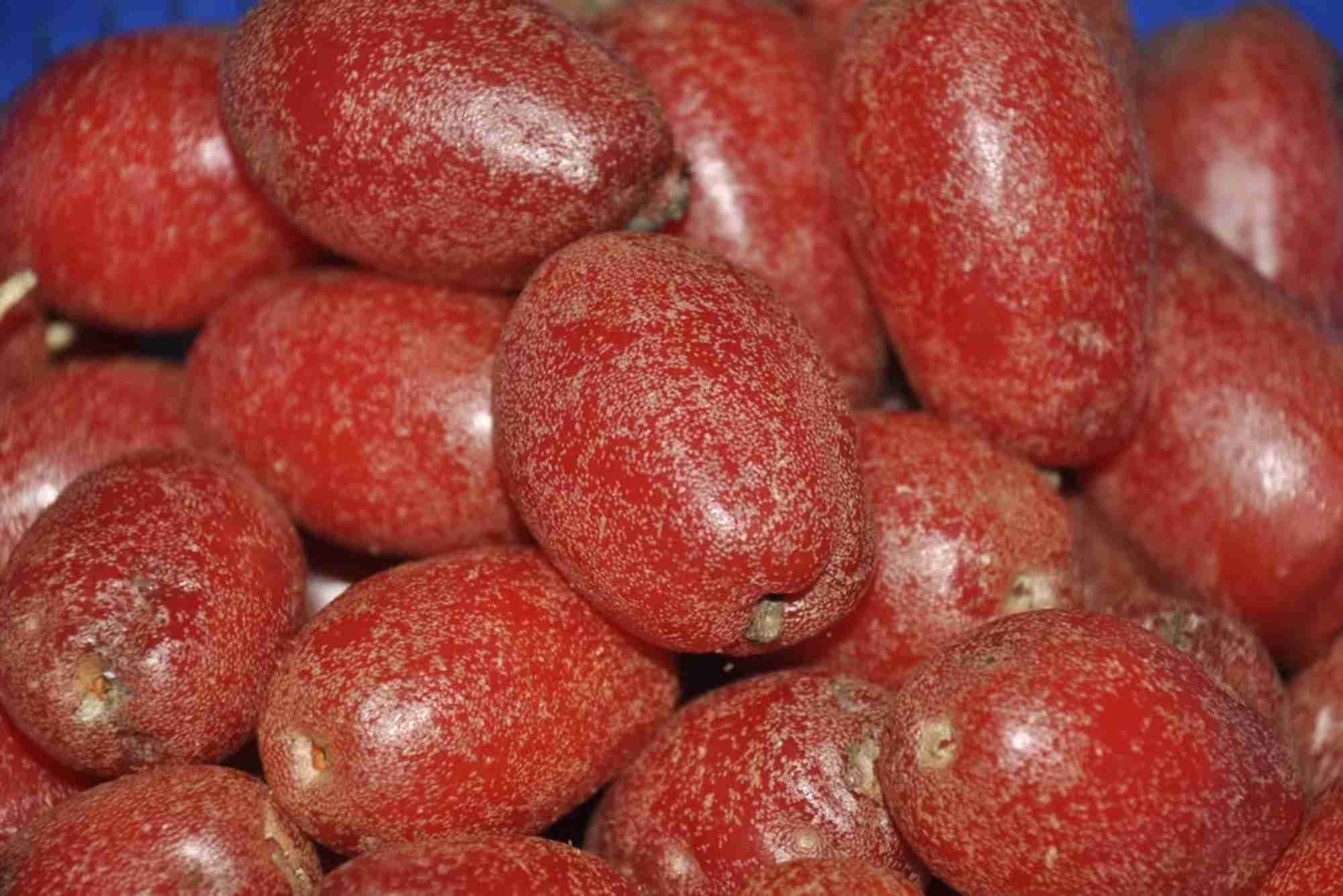
A Sweet and Tangy Delight from South Asia
Lapsi fruit, also known as Choerospondias axillaris, is a hidden gem in South Asia’s rich botanical heritage. With its uniquely sweet and tangy flavor, this tropical fruit holds a special place in the culinary and cultural traditions of countries like Nepal, India, and Bhutan. But lapsi fruit is more than just a treat—it’s packed with nutrition, offers several health benefits, and plays a vital role in traditional remedies and local economies.
In this article, we’ll explore everything about lapsi fruit—from its origins and flavor to its uses, nutritional value, and health benefits. Whether you’re a food enthusiast, health-conscious reader, or simply curious about exotic fruits, this guide will leave you craving a taste of this sour-sweet delight.
What Is Lapsi Fruit?
Lapsi fruit is the edible drupe of a subtropical tree that thrives in the hilly regions of Nepal, parts of India (especially the northeast), and other nearby regions. Botanically known as Choerospondias axillaris, the fruit resembles a small, round plum with a green to yellowish hue when ripe. It is prized for its intense, citrusy flavor that strikes a perfect balance between sweet and sour.
Lapsi grows mainly during the late summer and early autumn months and is harvested both for home use and commercial processing. It’s often used to make pickles, candies, chutneys, and dried snacks. In many South Asian homes, lapsi fruit is a seasonal staple.
Origins and Cultural Significance
A Fruit Rooted in Tradition
In Nepal, lapsi fruit is more than just food—it’s part of the cultural fabric. Villagers often gather the fruit from local forests or home gardens, turning it into delicious homemade treats like lapsi achar (pickle) or lapsi titaura (dried candy). Festivals and family gatherings often feature lapsi-based snacks as a symbol of hospitality and celebration.
In Bhutan and parts of India, lapsi also features in traditional medicine and Ayurvedic practices. It’s believed to help with digestion, improve immunity, and serve as a natural remedy for various ailments.

Flavor Profile and Culinary Uses
What Does Lapsi Fruit Taste Like?
Lapsi fruit delivers a bold, tangy punch with a sweet aftertaste. When raw, the fruit can be extremely sour—enough to make your mouth pucker. As it ripens or when cooked with sugar, its sweetness comes forward, creating a balanced and delightful flavor.
Popular Culinary Uses
- Lapsi Candy (Titaura): These chewy, sun-dried snacks are often mixed with salt, chili, or sugar for extra flavor.
- Lapsi Pickle (Achar): A spicy, sour condiment that pairs well with rice and lentils.
- Chutneys and Sauces: Used to add a tangy kick to various South Asian dishes.
- Preserves and Syrups: Sweetened and bottled for use throughout the year.
The versatility of lapsi fruit in cooking makes it a favorite among chefs and home cooks looking for something exciting.
Nutritional Value of Lapsi Fruit
Lapsi fruit isn’t just tasty—it’s packed with nutrients that support overall health. Here’s what makes it a smart addition to your diet:
- Vitamin C: High levels help boost immunity and skin health.
- Antioxidants: Protect the body from oxidative stress.
- Dietary Fiber: Promotes digestion and gut health.
- Natural Sugars: Provide a quick energy boost.
Its low calorie and fat content make it a healthy snack choice, especially when consumed fresh or minimally processed.
Health Benefits of Lapsi Fruit
Boosts Immunity
The high vitamin C content in lapsi fruit strengthens the immune system, helping the body fend off common colds and infections.
Supports Digestive Health
Lapsi is a rich source of fiber, aiding in digestion and preventing constipation. Its mild laxative properties make it beneficial for those with irregular bowel movements.
Aids in Skin Health
With its antioxidant and anti-inflammatory properties, lapsi fruit contributes to clearer, healthier skin. Traditional skincare remedies in some regions use lapsi paste to treat acne and rashes.
Promotes Weight Management
Low in calories and high in fiber, lapsi can be a satisfying snack for those looking to maintain or lose weight.
Reduces Inflammation
Lapsi fruit contains polyphenols and other plant compounds that have been shown to reduce inflammation, potentially benefiting those with chronic conditions like arthritis.
Lapsi Fruit in Traditional Medicine
In Ayurvedic and folk medicine, lapsi is used to treat a variety of health issues, including:
- Indigestion and bloating
- Cough and sore throat
- Skin infections
- Menstrual cramps
Its juice is often consumed to cleanse the system and promote detoxification. In some cultures, lapsi is used as a natural remedy for fever and inflammation, although modern scientific studies on these uses are limited.
Environmental and Economic Importance
Lapsi trees are highly valued in local agroforestry systems. They help prevent soil erosion, enhance biodiversity, and provide an economic lifeline to rural communities. In Nepal, for instance, lapsi harvesting and processing support thousands of small-scale farmers and women entrepreneurs.
As consumer demand for natural and exotic fruits grows globally, lapsi fruit holds potential for international markets—especially in organic and health food industries.
Where to Buy Lapsi Fruit
While fresh lapsi fruit is usually available only in South Asia, its dried and processed forms—such as candies and pickles—are exported worldwide. You can find lapsi-based products in South Asian grocery stores, on Amazon, and through specialty food retailers online.
If you’re interested in trying lapsi, start with:
- Lapsi candy (Titaura)
- Lapsi pickle
- Lapsi jam or syrup
Look for products with minimal preservatives and natural ingredients to get the most authentic flavor and benefits.
How to Store and Use Lapsi at Home
- Fresh lapsi should be stored in the refrigerator and consumed within a week.
- Dried or preserved lapsi lasts for several months in a cool, dry place.
- Use lapsi to add a twist to sauces, salad dressings, or desserts.
Experiment with lapsi in your cooking to add bold flavors and surprise your taste buds.
FAQs About Lapsi Fruit
What is lapsi fruit called in English?
Lapsi is often referred to as Nepali hog plum or wild mango plum in English, but its botanical name is Choerospondias axillaris.
Is lapsi fruit good for health?
Yes, lapsi fruit is rich in vitamin C, fiber, and antioxidants, making it excellent for boosting immunity, digestion, and skin health.
How do you eat lapsi fruit?
Lapsi can be eaten fresh, dried, or cooked. It’s commonly used in pickles, candies, chutneys, and syrups in South Asian cuisine.
Can I grow lapsi at home?
If you live in a subtropical or warm temperate region with well-drained soil, you may be able to grow lapsi trees. However, it requires specific conditions and patience.
Does lapsi cause acidity?
Lapsi is tangy and acidic in nature, so consuming it in excess may cause acidity in some people. It’s best eaten in moderation, especially for those with sensitive stomachs.
What are the side effects of lapsi fruit?
Lapsi is generally safe to eat, but overconsumption may lead to acidity or mild stomach discomfort due to its sour nature. Allergies are rare but possible.
Is lapsi fruit the same as amla?
No, lapsi and amla (Indian gooseberry) are different fruits. While both are rich in vitamin C and used in traditional remedies, they belong to different botanical families.
Rediscover a South Asian Superfruit
Lapsi fruit is more than just a local snack—it’s a cultural, nutritional, and environmental treasure of South Asia. With its unique sweet-and-sour flavor, multiple health benefits, and deep-rooted cultural ties, lapsi deserves more attention on the global food stage.
Whether you’re exploring international cuisines, looking for natural health boosters, or just love discovering new fruits, lapsi fruit is a delightful addition to your culinary journey.
Ready to taste the tangy goodness of lapsi fruit? Visit your local South Asian store or explore online marketplaces today and bring a piece of South Asia to your kitchen!