Bair Fruit in English: Name, Benefits, and Where to Find It
Bair fruit, a widely loved tropical delight in South Asia, has intrigued many for centuries with its sweet-tart flavor and medicinal properties. If you’ve stumbled upon this fruit at a local market or heard about it from traditional remedies, you may be wondering about its name in English, its uses, and the benefits it offers. In this comprehensive guide, we’ll dive into the bair fruit English name, explore its impressive health profile, cultural significance, and provide useful tips on how and where to find it today.
What Is Bair Fruit Called in English?
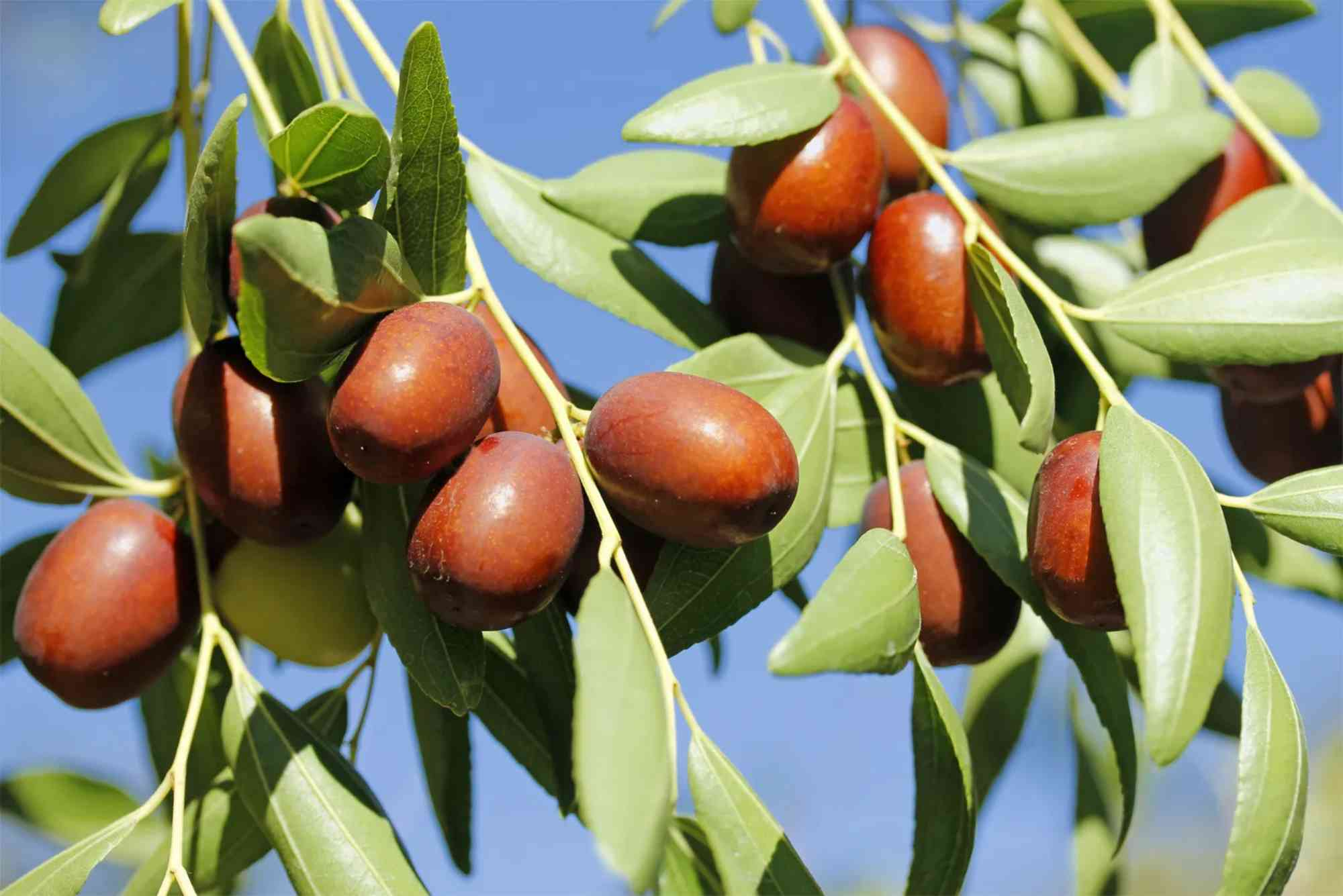
The bair fruit English name is Indian jujube or simply jujube. Scientifically known as Ziziphus mauritiana, this fruit belongs to the buckthorn family and is grown widely across Asia, Africa, and parts of the Middle East. While its size, color, and taste may slightly vary depending on the region, the jujube fruit is typically oval, green to brownish-red in color, with a firm texture when unripe and a softer pulp when fully ripe.
In India and Pakistan, it is commonly called “Bair” or “Ber,” and it holds a strong place in folk medicine, local markets, and home gardens.
The Nutritional Value of Bair Fruit
Despite its small size, the Indian jujube is densely packed with nutrients. It contains vital vitamins and minerals such as vitamin C, vitamin A, calcium, iron, and potassium. Moreover, its high fiber content supports digestive health and satiety. The fruit also contains antioxidants like flavonoids and phenolics, which help protect the body from oxidative stress.
Its low-calorie count makes it a perfect healthy snack, especially for those watching their weight or sugar levels.
Health Benefits of Bair Fruit
Boosts Immunity
Thanks to its rich vitamin C content, bair fruit is an excellent immunity booster. Regular consumption can help your body fight off common colds, infections, and fatigue. The antioxidant properties further enhance your immune system by combating free radicals.

Supports Digestive Health
One of the traditional uses of bair fruit is to improve digestion. Its fiber content helps regulate bowel movements and alleviate constipation. Additionally, its natural enzymes support the gut microbiome, making it easier for the body to absorb nutrients.
Promotes Skin and Hair Health
The presence of vitamin A and flavonoids in jujube helps maintain healthy skin and hair. Its antioxidants slow down the aging process by protecting skin cells. Traditional remedies often include jujube pulp or oil for treating acne, blemishes, and hair fall.
Enhances Bone Strength
The combination of calcium and phosphorus in bair fruit supports bone density and strength. This is especially helpful for growing children and older adults who are at risk of osteoporosis.
Regulates Blood Circulation
Iron and phosphorus present in jujube aid in the proper production and circulation of red blood cells. This results in improved oxygen transport throughout the body and reduces the chances of anemia.
Acts as a Natural Sedative
In herbal medicine, jujube is often used to promote better sleep and reduce anxiety. The fruit contains saponins that have a calming effect on the nervous system, making it a natural remedy for insomnia and restlessness.
Where to Find Bair Fruit
Local Markets
In countries like India, Pakistan, Bangladesh, and Nepal, bair fruit is a common sight in roadside stalls, farmer’s markets, and urban fruit markets. It’s usually available during its peak season from December to March.
Online Fruit Stores
With the rise of global shipping and organic produce platforms, you can now find Indian jujube on online marketplaces. Websites that specialize in tropical or exotic fruits often list jujube in both fresh and dried forms.
Asian and Middle Eastern Grocery Stores
If you live outside South Asia, try visiting local Asian, Indian, or Middle Eastern grocery stores. These stores often stock fresh or dried jujube during the season and may carry preserved versions throughout the year.
Home Gardens and Farms
Due to its adaptability and minimal care requirements, bair trees are also grown in personal gardens and small farms. If you’re a gardening enthusiast, planting a bair tree could be a rewarding experience.
Traditional and Culinary Uses of Bair Fruit
In addition to being eaten fresh, jujube or bair is used in a variety of traditional and modern preparations. It can be dried and preserved, turned into candies or chutneys, and even fermented into alcoholic beverages in some cultures. Dried jujubes are especially popular in Chinese medicine, often added to teas and broths.
In Pakistan and India, bair is sometimes pickled or made into spicy snacks with chili and salt. In some regional cuisines, it’s used in savory dishes to add tanginess and texture.
Growing Popularity in the West
The growing interest in superfoods and herbal remedies has increased the visibility of jujube in Western countries. Its health benefits have made it a desirable ingredient in teas, supplements, and natural health products.
Health-conscious consumers in the US, UK, Canada, and Australia are now more familiar with dried jujube fruits, often used as a substitute for dates due to their similar texture and sweetness. Moreover, its medicinal potential has led to its inclusion in stress-relief and immunity-boosting formulations.
Sustainability and Cultivation
Jujube trees are highly sustainable and adaptable. They thrive in dry, arid climates and require minimal water once established. This makes them an ideal fruit tree for regions facing water scarcity. Their ability to improve soil quality also makes them suitable for agroforestry practices.
Many environmentalists promote planting jujube trees as part of reforestation or land restoration efforts due to their resilience and usefulness.
Cultural and Medicinal Significance
In Ayurveda and Unani medicine, bair fruit has long been recognized for its healing properties. It is often used to treat skin ailments, digestive issues, respiratory problems, and anxiety. In Chinese Traditional Medicine, it’s known as “Da Zao” and is a staple in many herbal decoctions.
The fruit is not just seen as a food item but also as a healing agent. Its bark, leaves, and seeds are used in various natural remedies, showing its holistic value across cultures.
Why You Should Add Bair Fruit to Your Diet
The Indian jujube or bair fruit is more than just a seasonal delicacy—it’s a powerhouse of nutrients and traditional healing. Whether you’re looking to boost your immune system, improve your skin, or explore natural remedies, the bair fruit English name opens doors to a world of benefits. Easily accessible in South Asian countries and increasingly available globally, it deserves a place in your healthy lifestyle.
If you haven’t tried it yet, visit your nearest ethnic store, explore online options, or even consider growing it yourself. Your body—and taste buds—will thank you.
FAQs
What is the English name of Bair fruit?
The English name of Bair fruit is Indian jujube or simply jujube. It’s also known by its scientific name Ziziphus mauritiana.
What are the health benefits of eating Bair fruit?
Bair fruit offers numerous health benefits, including improved immunity, better digestion, healthier skin, enhanced sleep quality, and stronger bones.
Where can I buy jujube or Bair fruit?
You can find jujube in Asian and Middle Eastern stores, online exotic fruit shops, and local markets in South Asia. Dried versions are also widely available online.
Is Bair fruit good for diabetes?
Yes, bair fruit has a low glycemic index and high fiber content, making it a smart choice for people managing diabetes. However, consult your doctor before regular consumption.
Can I grow Bair fruit at home?
Absolutely! The jujube tree is hardy and drought-resistant, making it easy to grow in home gardens, especially in warm, dry climates.