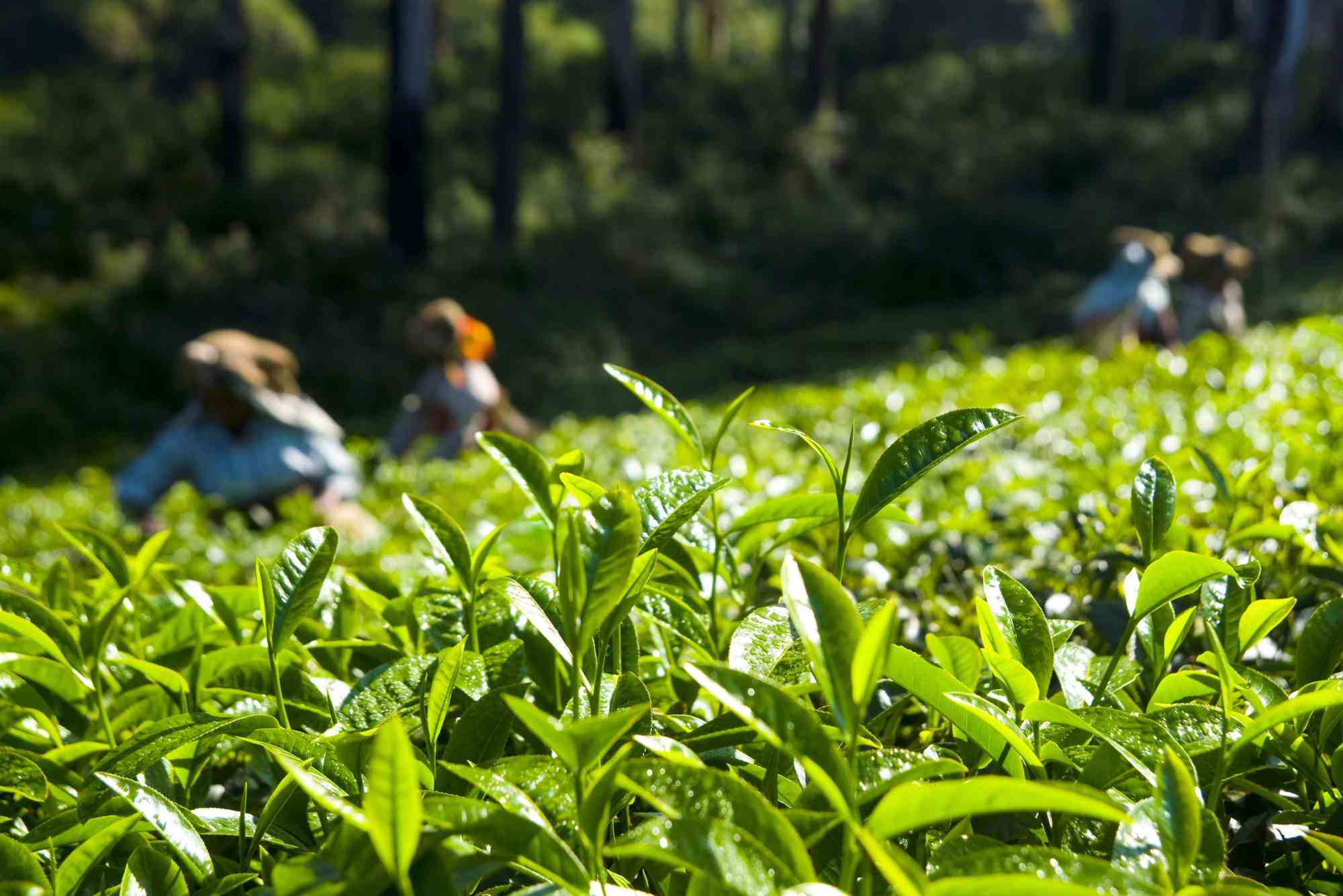
If you’re exploring opportunities in Sri Lanka’s thriving agricultural sector, tea land for sale in Neluwa offers a promising venture. Nestled in the southern highlands, Neluwa is a hidden gem known for its rich biodiversity, rainfall, and perfect conditions for tea cultivation.
Whether you’re a seasoned grower or an investor looking for long-term returns, these fertile plots in Neluwa provide an exceptional combination of affordability, quality soil, and market demand. In this guide, we explore why Neluwa is ideal for tea plantations and how to invest wisely.
Why Neluwa is Ideal for Tea Cultivation
Perfect Climatic Conditions
Neluwa enjoys a subtropical climate with consistent rainfall and moderate temperatures year-round. These conditions create an ideal environment for tea to flourish naturally.
Rich, Fertile Soil
The land in Neluwa is part of the rainforest belt, known for its dark, loamy soil rich in organic matter. This kind of soil supports healthy root development and enhances tea flavor profiles—key for premium market segments.
Altitude Advantage
Sitting at the foothills of Sinharaja Forest Reserve, most tea estates in Neluwa lie between 500 to 1000 meters above sea level. This elevation is ideal for producing high-quality, aromatic Ceylon tea.
Investment Opportunities in Neluwa’s Tea Lands
Tea remains one of Sri Lanka’s top exports. With increasing global demand for organic and specialty teas, owning a tea land for sale in Neluwa opens the door to a profitable and sustainable agricultural investment.

Affordable Entry Points
Compared to more developed plantation zones like Nuwara Eliya or Kandy, land in Neluwa is still relatively affordable. This allows investors to acquire larger plots without compromising on quality.
Expanding Local Infrastructure
Road improvements and digital connectivity are making it easier to manage remote estates. Neluwa has seen better transport links to Galle and Colombo, allowing faster tea transport to processing centers and ports.
Supportive Government Policies
The Sri Lankan government continues to promote agricultural development with subsidies, tax relief, and loan schemes for tea growers, especially in less urbanized zones like Neluwa.
What to Consider When Buying Tea Land in Neluwa
Investing in plantation land requires due diligence. Here are the most important factors to evaluate before purchasing.
Land Title and Legal Verification
Ensure the land title is clear and not under dispute. Work with a local attorney experienced in agricultural land sales. Verifying legal documentation avoids complications during or after purchase.
Water Sources and Irrigation
Even though Neluwa receives ample rain, a reliable year-round water source can boost yield. Check if the land includes natural springs, streams, or the ability to create reservoirs.
Accessibility and Terrain
Hilly land can produce high-quality tea but may be harder to harvest. Evaluate slope gradients and proximity to roads or estate tracks.
Plantation History or Existing Tea Stock
Some plots come with mature tea bushes, while others are cleared and ready for new planting. Each has advantages. Mature plots offer quicker ROI, while fresh land allows full control over tea varieties and planting techniques.
How to Start a Tea Plantation in Neluwa
Starting a tea estate is a long-term project, but with proper planning, it can yield consistent returns.
Site Preparation and Planting
If you buy uncultivated land, your first step involves clearing undergrowth, testing soil quality, and laying out plots for planting. Tea requires well-drained soil and gentle slopes.
Choosing the Right Tea Varieties
Sri Lanka primarily grows Camellia sinensis, with sub-varieties suited to altitude and taste preference. Local agricultural officers can guide you based on terrain and market goals.
Labor and Management
Tea plantations require year-round attention. Hiring experienced estate managers and local workers ensures proper pruning, plucking, and maintenance.
Processing and Selling Your Tea
You can either sell raw tea leaves to factories or invest in a small-scale processing unit. Branding and exporting your tea directly can further improve profit margins.
Why Now is the Time to Invest in Tea Land for Sale in Neluwa
With land prices rising across the country, Neluwa stands out as an affordable and underdeveloped region brimming with potential. As tourism and eco-agriculture grow in tandem, investing in Neluwa’s tea lands is not just financially rewarding, but also environmentally sustainable.
Local and foreign investors alike are eyeing tea land for sale in Neluwa for its unique blend of fertile soil, market access, and natural beauty.
Real Investor Insight: What Buyers are Saying
Buyers who have already invested in Neluwa highlight several advantages:
- Easy access to regional labor
- High annual yields from small estates
- Organic farming potential near protected forest reserves
- Low initial investment compared to central highlands
Many cite community support and the absence of large-scale commercial interference as key benefits. With the right management, even a 5–10 acre plot can yield sustainable profits.
Secure Your Tea Investment in Neluwa
If you’re serious about agribusiness or sustainable investments, tea land for sale in Neluwa should be on your radar. Its unique natural advantages and investment-friendly environment make it one of Sri Lanka’s most promising regions for tea cultivation.
FAQs About Tea Land in Neluwa
Is Neluwa a good place for starting a tea plantation?
Yes, Neluwa offers ideal weather, rich soil, and affordable land—perfect for new and experienced tea growers.
How much does tea land cost in Neluwa?
Prices vary based on location, terrain, and existing crops, but generally range from LKR 300,000 to LKR 800,000 per acre.
Can foreigners buy tea land in Sri Lanka?
Foreigners can lease land but cannot own freehold land directly. Joint ventures and long-term leases are common approaches.
What are the risks of investing in tea land?
Key risks include fluctuating tea prices, labor shortages, and climate-related challenges. Proper management helps reduce these risks.
How long before a new tea plantation becomes profitable?
Typically, tea bushes take 3–5 years to mature. However, existing mature plantations can generate returns within the first year.