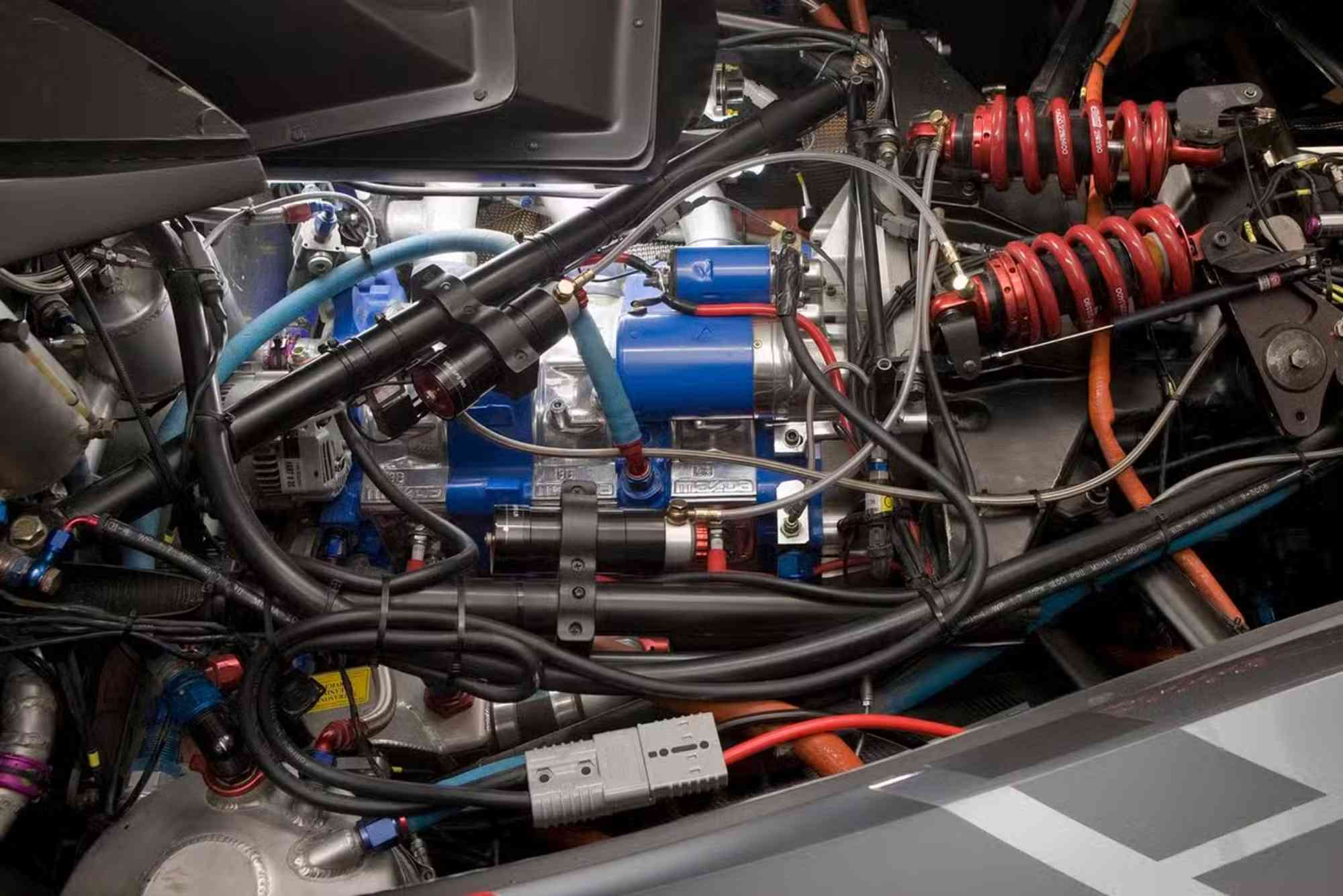
Mazda Furai Engine: Exploring the Innovation Behind Mazda’s Concept Car
The Mazda Furai engine represents one of the boldest experiments in automotive engineering. Introduced in 2008, the Furai concept was not just another futuristic design but a real, functional car that blurred the line between race track performance and road-going potential. Powered by Mazda’s legendary rotary engine, the Furai became a symbol of innovation, creativity, and the brand’s dedication to pushing boundaries. Even today, car enthusiasts continue to discuss the Furai’s unique engine design and the technological prowess that made it one of Mazda’s most iconic creations.
The Legacy of Mazda’s Rotary Innovation
To understand the Mazda Furai engine, we must first look back at Mazda’s long-standing relationship with rotary technology. Unlike conventional piston engines, rotary engines—also known as Wankel engines—use a triangular rotor spinning in an oval housing to create power. This design allows for higher rev limits, smoother operation, and a remarkable power-to-weight ratio. Mazda was one of the few automakers to perfect this design, using it in legendary cars like the RX-7 and RX-8.
Mazda’s passion for rotary power was not just about engineering but also about philosophy. The company believed in building cars that felt alive, and the rotary engine’s free-revving nature reflected that spirit perfectly. The Mazda Furai engine carried this legacy into the future, taking the best of rotary performance and merging it with modern racing technology.
Birth of the Mazda Furai Concept
Unveiled at the 2008 North American International Auto Show, the Mazda Furai was part of the “Nagare” design language series, which explored the concept of flow and movement. The word “Furai” itself means “sound of the wind” in Japanese—a fitting name for a car designed to slice through air with elegance and power.
Mazda didn’t just want to create a beautiful showpiece. The Furai was built on the Courage C65 Le Mans prototype chassis and equipped with a fully functional 20B 3-rotor engine. This wasn’t a static display car; it was a working, running machine capable of blistering speeds and dynamic performance on the race track.
The Heart of the Beast – Mazda Furai Engine Specs
At the core of this concept was the 20B 3-rotor rotary engine, a naturally aspirated powerhouse capable of producing around 450 horsepower. This engine used E100 ethanol fuel, a biofuel alternative that showcased Mazda’s forward-thinking approach to sustainability and performance. The use of ethanol not only made the engine cleaner but also allowed higher compression and efficient combustion.

The Mazda Furai engine featured a unique multi-rotor setup that provided an incredibly smooth power delivery. Unlike conventional engines that rely on reciprocating pistons, the Furai’s rotary system maintained a continuous combustion cycle, giving it an almost turbine-like response. With its lightweight structure and high-revving design, the car could accelerate rapidly while maintaining remarkable balance and agility.
Even though Mazda did not officially publish top speed or 0-60 times, automotive journalists who tested the car reported stunning responsiveness and raw mechanical sound. The Furai felt alive—an experience unmatched by most concept cars of its time.
Engineering the Future – Design Meets Function
The Mazda Furai engine was more than just about power; it was about how that power integrated with the car’s aerodynamic and structural design. The Furai’s chassis was based on real race car architecture, ensuring rigidity and control at high speeds. Every curve, vent, and opening served a purpose, channeling airflow efficiently around the engine and body.
Mazda engineers paid meticulous attention to cooling and air intake systems. Rotary engines generate significant heat, so maintaining optimal temperatures was critical. The Furai’s massive rear vents and low-slung body helped dissipate heat effectively, ensuring consistent performance during long runs. The combination of lightweight materials, aerodynamic flow, and engine efficiency created a perfect symphony of engineering excellence.
Why the Mazda Furai Engine Was Revolutionary
What made the Mazda Furai engine truly revolutionary was its perfect blend of environmental consciousness and high performance. Using ethanol fuel in a racing context was almost unheard of at the time. Mazda demonstrated that sustainable energy sources could coexist with thrilling speed and raw mechanical passion.
The engine’s compactness also contributed to the car’s excellent weight distribution. With a lower center of gravity and balanced handling, the Furai could maneuver with agility similar to top-tier race cars. Its distinctive exhaust note, often described as a “metallic wail,” added to its mystique, reminding fans of Mazda’s racing heritage.
A Tragic End to a Brilliant Concept
Unfortunately, the Mazda Furai’s story ended too soon. During a promotional photo shoot with Top Gear magazine in 2008, the Furai caught fire due to a fuel line issue and was completely destroyed. This incident marked the end of one of Mazda’s most ambitious prototypes. Despite the tragedy, the Furai’s influence continued to inspire future designs and innovation.
The Mazda Furai engine lives on as a symbol of what happens when creativity meets fearless engineering. Mazda’s courage to experiment with unconventional designs and alternative fuels remains an inspiration to modern automakers exploring hybrid and electric powertrains.
Mazda Furai Engine in the Context of Today’s Automotive Trends
As the automotive industry transitions toward electrification, the Mazda Furai engine still holds lessons for engineers and enthusiasts. Its focus on compactness, weight efficiency, and performance balance parallels many of the goals pursued in electric vehicle design today.
Mazda itself continues to experiment with rotary technology, now considering it as a range extender for electric vehicles. The smooth and compact rotary motor fits perfectly into hybrid configurations, proving that the spirit of the Furai is still alive in Mazda’s DNA.
Even though the Furai never entered production, it remains a crucial milestone in Mazda’s engineering journey—a reminder that innovation often involves taking risks. The Mazda Furai engine may have been lost physically, but its impact on car design and technology continues to echo through Mazda’s current lineup.
Driving Philosophy Behind Mazda’s Engineering Excellence
Mazda’s engineering approach, known as “Jinba Ittai” or “horse and rider as one,” emphasizes connection and harmony between the car and driver. The Mazda Furai engine perfectly embodied this philosophy. Its responsiveness, sound, and precision created an emotional experience behind the wheel that was both mechanical and spiritual.
This dedication to emotional engineering is what sets Mazda apart from many manufacturers. The Furai wasn’t just a machine; it was an expression of artistry and motion. Even though it was a concept, it reflected Mazda’s long-term vision of how cars could remain exciting even in an era of changing technology.
FAQs
What kind of engine did the Mazda Furai have?
The Mazda Furai was powered by a 20B 3-rotor rotary engine that produced around 450 horsepower using E100 ethanol fuel.
Why did the Mazda Furai use ethanol fuel?
Mazda used ethanol to showcase an environmentally friendly alternative that could still deliver high performance. Ethanol allowed cleaner combustion and reduced carbon emissions.
How fast was the Mazda Furai?
While Mazda never released official figures, experts estimate its top speed at around 180 mph (290 km/h), with blistering acceleration and agile handling.
Why was the Mazda Furai destroyed?
During a Top Gear photo shoot, the car caught fire due to a fuel system issue and was completely destroyed before it could be saved.
Will Mazda ever build another rotary-powered supercar?
Mazda has expressed interest in reviving rotary technology for hybrid and electric applications, though no plans for a new Furai-style car have been confirmed.
The Lasting Influence of the Mazda Furai Engine
Even years after its destruction, the Mazda Furai engine continues to captivate enthusiasts and engineers worldwide. It stands as a testament to Mazda’s willingness to innovate, challenge conventions, and embrace risk. The Furai combined beauty, sustainability, and race-bred engineering in one of the most stunning automotive concepts ever built.
From its unique 3-rotor configuration to its biofuel compatibility, the Furai engine represented the ultimate expression of Mazda’s passion for motion and design. While it never reached production, its impact can still be felt in Mazda’s continued exploration of alternative powertrains and in the hearts of those who dream of driving something truly extraordinary
The Mazda Furai engine wasn’t just an experiment—it was a declaration of Mazda’s identity. It showcased what’s possible when artistry meets technology and when engineers dare to dream beyond limits. Though the car itself is gone, its influence remains a beacon for innovation, creativity, and passion in automotive design.
If you’re fascinated by groundbreaking engineering and the evolution of performance technology, the Mazda Furai is a story worth remembering. It reminds us that true progress often comes from imagination—and that even fleeting creations can leave a lasting mark on automotive history.