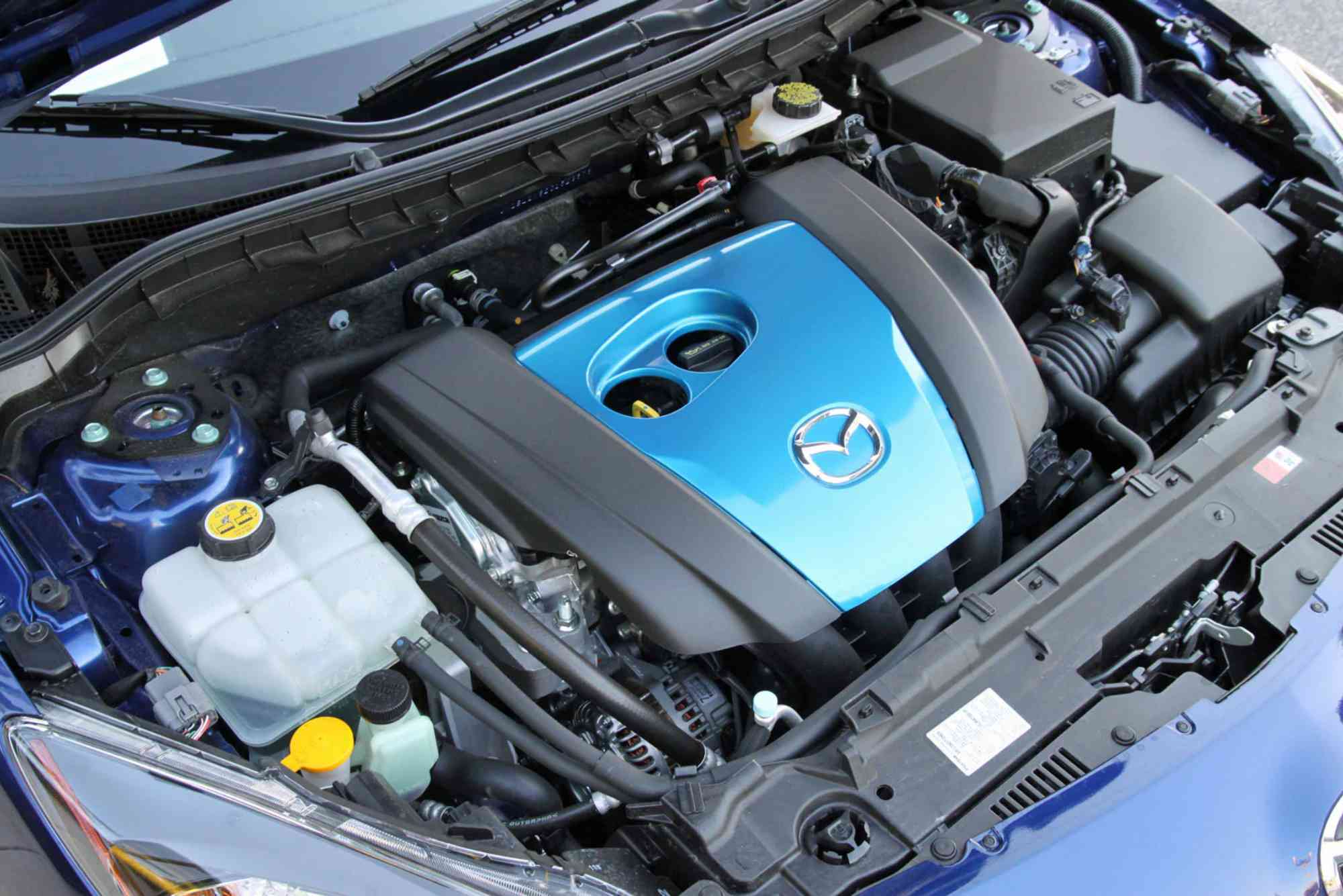
Mazda R3 Engine: Power, Performance, and Specifications Explained
When it comes to groundbreaking automotive engineering, few innovations have captivated enthusiasts quite like the Mazda R3 engine. Known for its distinctive rotary design, exceptional power-to-weight ratio, and smooth performance, this engine represents Mazda’s unrelenting commitment to innovation. The R3 engine, featured in the legendary RX-8 sports car, stands as a symbol of Mazda’s engineering genius — merging lightweight efficiency with high-revving excitement. In this detailed guide, we’ll explore everything about the Mazda R3 engine — from its design and performance characteristics to maintenance tips, specifications, and common FAQs that every enthusiast wants answered.
The Legacy Behind the Mazda R3 Engine
Mazda’s journey with rotary engines began decades before the R3. The company’s fascination with the Wankel rotary concept led to the development of a unique line of engines that prioritized compactness and performance. By the time the Mazda R3 engine arrived, it was the culmination of years of refinement and technological advancement. It powered the 2009–2012 Mazda RX-8 R3, the final and most refined version of Mazda’s rotary sports car.
The R3 was more than just another engine — it represented the peak of rotary performance before the rotary era took a pause. With a 1.3-liter displacement and twin-rotor design, the engine delivered 232 horsepower, proving that small engines can deliver big thrills.
Understanding the Rotary Design
Unlike conventional piston engines, which use cylinders and pistons moving up and down, the Mazda R3 engine employs rotors that spin inside an epitrochoid-shaped housing. This unique motion allows for a smoother delivery of power, fewer moving parts, and a distinct high-revving character that’s hard to replicate.
Each rotor in the R3 engine completes all four strokes of combustion — intake, compression, power, and exhaust — in one continuous rotation. This efficiency results in smoother acceleration and less vibration, making the driving experience both engaging and refined. Mazda engineers enhanced the R3’s intake and exhaust systems, increasing airflow and optimizing thermal management for better fuel combustion.
Power and Performance Characteristics
One of the most remarkable features of the Mazda R3 engine is its ability to rev up to 9,000 RPM. The engine produces around 232 horsepower at 8,500 RPM and 159 lb-ft of torque at 5,500 RPM, an impressive feat for a naturally aspirated 1.3-liter power unit.

Mazda achieved this level of performance by incorporating lightweight components, a redesigned intake manifold, and improved cooling systems. The dual oil injectors and multi-side-port intake configuration ensured better lubrication and combustion, preventing the common carbon buildup issue found in earlier rotary designs.
On the road, the R3 engine offers an immediate throttle response and linear power delivery. Drivers often describe the feeling as an endless surge of energy — smooth, eager, and free of vibration. Unlike traditional engines that run out of breath at high RPMs, the rotary thrives the higher it revs, rewarding spirited drivers with a thrilling performance curve.
Specifications at a Glance
The Mazda R3 engine is technically known as the 13B-MSP Renesis R3, part of the RX-8’s final generation. Here’s a closer look at its major specs:
- Type: Twin-rotor Wankel rotary engine
- Displacement: 1.3 liters (654cc x 2 rotors)
- Maximum Power Output: 232 hp @ 8,500 RPM
- Maximum Torque: 159 lb-ft @ 5,500 RPM
- Compression Ratio: 10.0:1
- Fuel System: Multi-port fuel injection
- Transmission Compatibility: 6-speed manual (optimized for performance)
- Redline: 9,000 RPM
This configuration makes the R3 engine lightweight, compact, and perfectly balanced for a front-mid-engine, rear-wheel-drive layout — the hallmark of Mazda’s sporty DNA.
Engineering Innovations in the Mazda R3 Engine
The R3 wasn’t just a rehash of previous rotary engines. It introduced several crucial upgrades that made it more reliable, efficient, and enjoyable. Engineers focused heavily on three areas: thermal management, intake/exhaust optimization, and lubrication.
Firstly, Mazda improved the oil metering system, adding additional oil injectors per rotor housing. This reduced friction and enhanced cooling during high-speed runs. Secondly, the intake ports were redesigned to improve air efficiency, leading to more precise combustion. Lastly, the exhaust ports were positioned on the side housing rather than at the rotor ends, minimizing unburnt fuel loss and increasing torque.
These upgrades not only enhanced reliability but also extended the engine’s life span — addressing earlier criticisms of rotary durability.
Driving Experience and Handling
The Mazda RX-8 R3, powered by this engine, was celebrated for its balance and agility. The compact size and light weight of the R3 engine allowed Mazda engineers to position it closer to the vehicle’s center, resulting in near-perfect 50:50 weight distribution.
This balance gave the RX-8 exceptional cornering capability. Combined with a 6-speed manual transmission and a sport-tuned suspension, the R3 provided precise handling and an exhilarating driving experience. The linear power delivery and quick revs gave drivers a direct connection to the car — something rarely found in conventional engines.
Mazda’s engineers also tuned the sound profile carefully. The engine’s distinct rotary hum became a hallmark of the RX-8 experience, growing into a sharp, high-pitched roar as RPMs climbed.
Fuel Efficiency and Maintenance
While the Mazda R3 engine offered incredible performance, it required a different level of care than conventional engines. Rotary engines, by design, consume a small amount of oil during operation, so regular oil checks are crucial. Mazda recommended checking oil levels every 1,000 miles to ensure optimal performance.
Fuel efficiency wasn’t its strongest point, averaging around 16 mpg city and 22 mpg highway, but most enthusiasts agree the driving thrill more than compensates for this. Regular maintenance, including spark plug replacement and fuel filter cleaning, plays a significant role in keeping the engine running smoothly.
Common Issues and Reliability Insights
Like all rotary engines, the Mazda R3 had its quirks. Common issues included apex seal wear, carbon buildup, and starting difficulties in cold weather. However, these problems were significantly reduced thanks to Mazda’s engineering improvements. Proper maintenance and using high-quality synthetic oil can prevent most of these issues.
Owners who warm up their engines before driving and follow scheduled maintenance intervals often report excellent longevity. Many R3 engines have surpassed 100,000 miles with minimal issues, proving that when treated properly, the rotary can be just as durable as traditional piston engines.
Why Enthusiasts Love the Mazda R3 Engine
Despite its complexity, the R3 engine enjoys a cult following. Its unique character, sound, and driving feel make it more than just an engine — it’s an experience. Enthusiasts admire its high-revving nature, smooth powerband, and compact size that enhances handling dynamics.
Moreover, the Mazda R3 engine stands as a technological statement. It showcases how innovation and passion can create something extraordinary, even if it defies convention. For many, driving a rotary-powered Mazda isn’t just about speed — it’s about connection and emotion.
The Future of Mazda Rotary Engines
Although the RX-8’s production ended in 2012, Mazda hasn’t completely abandoned the rotary concept. In recent years, Mazda announced the return of the rotary engine in a different role — as a range extender for electric vehicles like the MX-30. This modern adaptation combines the efficiency of electricity with the compact power of a rotary engine, ensuring that Mazda’s legacy continues.
The Mazda R3 engine laid the foundation for this revival. Its success proved that rotary technology could coexist with modern demands when engineered thoughtfully.
The Mazda R3 Engine’s Lasting Legacy
The Mazda R3 engine remains one of the most fascinating examples of automotive engineering innovation. It combines compact design, high performance, and unique character into one unforgettable package. While it may not have been perfect, its impact on car culture is undeniable. From the racetrack to the open road, the R3 engine delivered a driving experience unlike any other — smooth, thrilling, and deeply emotional.
For enthusiasts, the Mazda R3 engine isn’t just a mechanical component; it’s a symbol of Mazda’s daring spirit and relentless pursuit of innovation. Whether you’re an RX-8 owner, a rotary fan, or just someone fascinated by unique engines, the R3 stands as a masterpiece worth celebrating.
If you’re inspired by the Mazda R3 engine and its legacy, explore Mazda’s upcoming hybrid and rotary technologies. Visit your local Mazda dealership or Mazda’s official website to stay updated on the future of rotary innovation.
(FAQs)
What car has the Mazda R3 engine?
The Mazda R3 engine powers the 2009–2012 Mazda RX-8 R3, the final and most advanced version of the RX-8 sports car.
How much horsepower does the Mazda R3 engine produce?
The R3 engine produces approximately 232 horsepower at 8,500 RPM and 159 lb-ft of torque at 5,500 RPM.
Is the Mazda R3 engine reliable?
Yes, when properly maintained. Regular oil checks, warm-up periods, and timely servicing can make the engine reliable for long-term use.
Why did Mazda stop making rotary engines?
Mazda paused rotary production due to emission challenges and fuel efficiency regulations. However, rotary technology is making a comeback in Mazda’s hybrid and electric vehicles.
Can the Mazda R3 engine be rebuilt?
Absolutely. Many specialists rebuild rotary engines. With the right parts and expertise, a well-maintained rebuild can restore full performance and reliability.