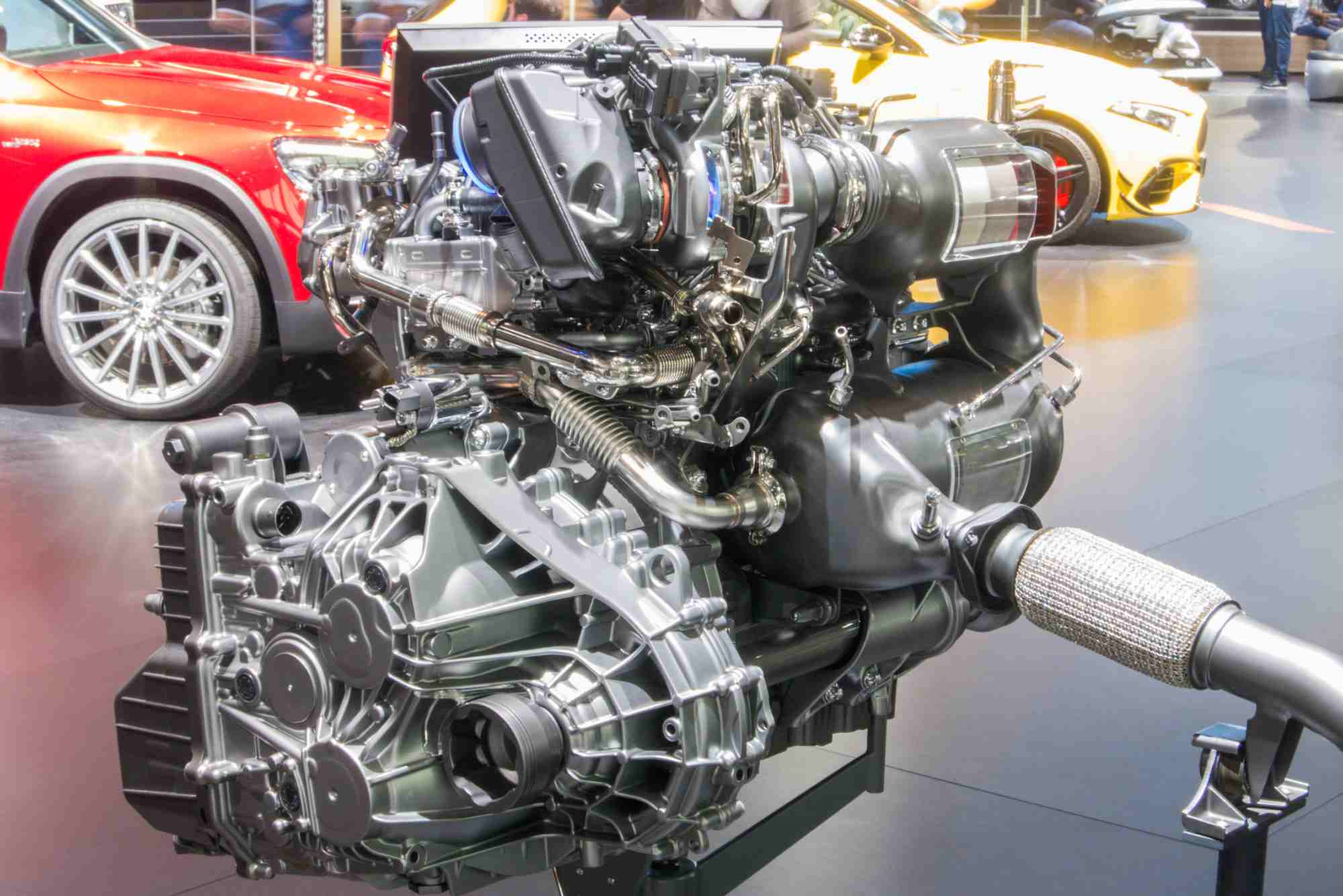
Mercedes-Benz 1.6 Turbo Engine: Performance and Efficiency Combined
The Mercedes-Benz 1.6 Turbo Engine represents one of the finest examples of German automotive engineering, where performance and fuel efficiency work hand in hand. Designed for drivers who demand power without compromise, this engine combines precision engineering, modern turbocharging technology, and intelligent fuel management to deliver an exhilarating yet economical drive. From the compact A-Class to the sporty CLA models, the 1.6-liter turbocharged engine has become a core part of Mercedes-Benz’s philosophy of innovation, offering refined performance with minimal emissions.
Introduction to the Mercedes-Benz 1.6 Turbo Engine
When Mercedes-Benz introduced the 1.6 Turbo Engine, it was a game changer in the small displacement category. Unlike traditional large engines that relied purely on capacity to generate power, the 1.6 Turbo uses forced induction and direct fuel injection to produce remarkable torque and acceleration while maintaining impressive fuel economy. Its design reflects the brand’s dedication to sustainability, performance, and luxury.
This engine has powered several popular Mercedes-Benz models, such as the A180, B180, and CLA180, becoming a preferred choice among those who seek both everyday practicality and premium performance. What truly sets this engine apart is its ability to balance spirited driving dynamics with eco-friendly technology—two features that often contradict in traditional engines.
Engineering and Design Excellence
At the heart of the Mercedes-Benz 1.6 Turbo Engine lies sophisticated engineering that maximizes every drop of fuel. The engine uses an all-aluminum construction, making it lightweight yet durable. Its 1.6-liter displacement might seem modest, but when combined with turbocharging, it delivers performance equivalent to much larger engines.
Turbocharging Technology
The turbocharger compresses the intake air, allowing more oxygen to enter the combustion chamber. This results in a significant increase in power output without increasing engine size. Turbo lag, a common issue in older turbo engines, has been nearly eliminated through advanced variable geometry design and precise electronic control. The result is smooth power delivery across the RPM range, giving the driver consistent acceleration whether cruising or overtaking.
Direct Fuel Injection System
Mercedes-Benz has equipped this engine with a high-pressure direct injection system that optimizes fuel atomization. This technology ensures that fuel burns more efficiently, reducing consumption and emissions while improving throttle response. It’s a perfect demonstration of how precision engineering can improve both performance and environmental responsibility.

Variable Valve Timing
Another innovation in this engine is the use of variable valve timing, which adjusts the opening and closing of the valves according to engine speed and load. This enhances torque at low RPMs and improves efficiency at higher speeds. Combined with intelligent engine management software, the system continuously adapts to driving conditions, providing an ideal balance between performance and fuel savings.
Performance Highlights
The Mercedes-Benz 1.6 Turbo Engine delivers power ranging from 122 to 156 horsepower, depending on the variant and model. Torque figures of up to 250 Nm ensure strong acceleration and responsive performance, even in the lower gears.
In real-world conditions, this means swift acceleration, confident overtaking, and a refined driving experience typical of the Mercedes brand. Whether you’re navigating city traffic or cruising on the highway, the 1.6 Turbo engine offers seamless power and smooth transitions.
Acceleration and Top Speed
Models like the A-Class with this engine can accelerate from 0 to 100 km/h in approximately 8.5 to 9 seconds, showcasing impressive performance for a compact engine. The top speed exceeds 210 km/h in certain variants, reflecting the engine’s sporty nature and efficient power delivery.
Fuel Economy
One of the standout qualities of the Mercedes-Benz 1.6 Turbo Engine is its exceptional fuel efficiency. Depending on driving conditions and model, it can achieve fuel consumption as low as 5.5 liters per 100 kilometers. This efficiency doesn’t come at the cost of performance, as the turbo system ensures dynamic responsiveness even under light throttle inputs.
Transmission Compatibility
The engine is typically paired with either a 6-speed manual transmission or Mercedes-Benz’s advanced 7G-DCT dual-clutch automatic gearbox. The dual-clutch system provides quick, smooth shifts that enhance both performance and comfort. The gearbox works harmoniously with the engine’s torque curve, ensuring optimal performance and fuel economy in every gear.
Driving Experience
Driving a Mercedes-Benz equipped with the 1.6 Turbo Engine feels effortless yet engaging. The smooth power delivery, responsive acceleration, and refined sound contribute to a sophisticated driving experience. Mercedes engineers have fine-tuned the engine to minimize vibration and noise, ensuring the signature comfort expected from the brand.
Urban Versatility
In city driving, the engine’s low-end torque provides instant responsiveness, making overtaking and merging easy. The start-stop system further enhances efficiency by shutting off the engine during idle periods, reducing unnecessary fuel consumption and emissions.
Highway Performance
On the open road, the turbocharged engine maintains a steady flow of power, ensuring effortless cruising even at higher speeds. The aerodynamic design of Mercedes vehicles, combined with the efficient engine, results in minimal drag and smooth highway performance.
Maintenance and Longevity
Mercedes-Benz engines are known for durability, and the 1.6 Turbo is no exception. Regular maintenance and high-quality engine oil are key to keeping it in peak condition. The turbo system and direct injection components are engineered to last, provided the vehicle follows scheduled service intervals.
The brand recommends using premium-grade fuel to maintain performance and prevent carbon buildup. When properly maintained, this engine can easily exceed 250,000 kilometers without major issues, a testament to its reliability and robust German engineering.
Environmental Responsibility
Mercedes-Benz has designed the 1.6 Turbo Engine with strict environmental standards in mind. It meets Euro 6 emission regulations, thanks to advanced catalytic converters and optimized combustion processes. Reduced CO₂ emissions make it an excellent choice for drivers who value sustainability without sacrificing power. The start-stop function, lightweight design, and efficient turbocharging all contribute to minimizing the engine’s environmental footprint.
Comparison with Other Mercedes Engines
While Mercedes offers a wide range of engines, the 1.6 Turbo sits at the ideal intersection of affordability, performance, and efficiency. Compared to the smaller 1.3-liter turbo engines, it offers more torque and smoother power delivery. Against larger 2.0-liter engines, it provides better fuel economy and lower running costs. This balance makes it a preferred option for drivers who desire premium performance in an everyday vehicle.
Common Issues and Solutions
Like all modern turbocharged engines, the Mercedes-Benz 1.6 Turbo Engine may experience issues such as carbon buildup on intake valves or turbo actuator problems over long-term use. However, these can be prevented through proper maintenance and periodic cleaning. Regular oil changes, high-quality fuel, and timely software updates are key to keeping the engine running smoothly. Mercedes service centers are equipped with diagnostic tools to address these issues efficiently, ensuring long-term reliability.
Why Drivers Love the Mercedes-Benz 1.6 Turbo Engine
Owners appreciate the 1.6 Turbo for its quiet refinement, linear power delivery, and impressive fuel efficiency. It offers a premium experience without the higher maintenance costs associated with larger engines. The engine’s balance between eco-friendliness and dynamic performance makes it perfect for both urban and highway driving.
Moreover, the compact design contributes to better weight distribution and improved handling, enhancing the overall driving dynamics of the vehicle.
Conclusion: A Perfect Blend of Power and Efficiency
The Mercedes-Benz 1.6 Turbo Engine stands as a shining example of how technology and innovation can redefine automotive performance. It blends power, refinement, and efficiency in a way that few engines in its class can match. For drivers who want the signature Mercedes luxury with fuel-conscious performance, this engine delivers the best of both worlds.
If you’re considering a Mercedes model powered by this engine, you’re investing in proven reliability, remarkable efficiency, and the refined power that defines German engineering excellence.
FAQs
Is the Mercedes-Benz 1.6 Turbo Engine reliable?
Yes, it’s known for long-term reliability when maintained properly. Regular servicing and quality fuel help extend its lifespan.
What is the fuel consumption of the 1.6 Turbo Engine?
It typically consumes between 5.5 and 6.5 liters per 100 km, depending on driving conditions and model variant.
Which Mercedes models use the 1.6 Turbo Engine?
It’s commonly found in the A-Class, B-Class, and CLA-Class models, offering strong performance and efficiency across the lineup.
Does the 1.6 Turbo Engine require premium fuel?
Yes, using high-octane fuel is recommended to maintain optimal performance and prevent engine knocking.
How much horsepower does the Mercedes-Benz 1.6 Turbo Engine produce?
Depending on the model, it produces between 122 and 156 horsepower, with torque up to 250 Nm.