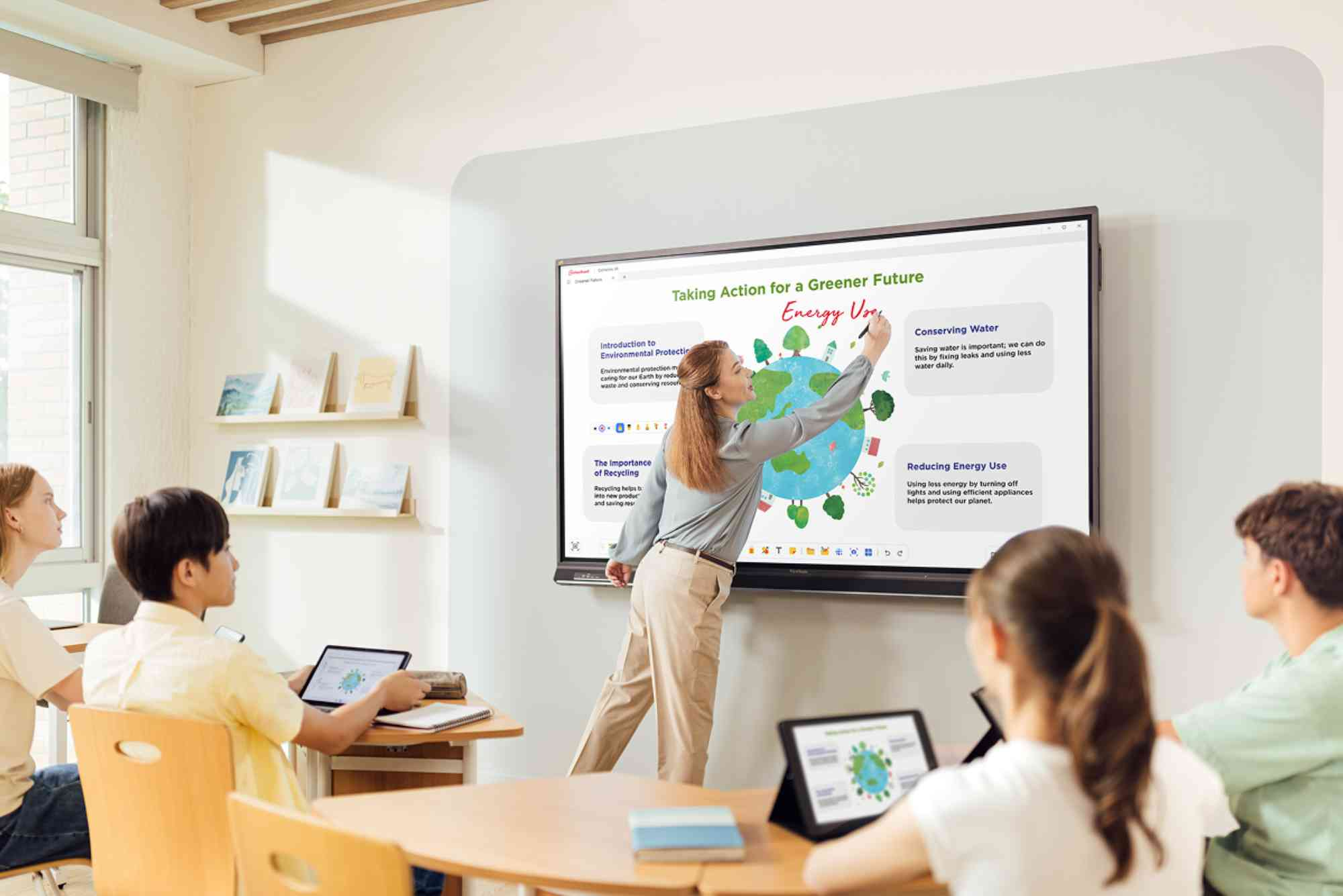
In today’s digital classrooms, educators are constantly searching for ways to make learning more engaging, interactive, and effective. One of the most significant innovations in modern teaching is the use of multimedia tools—videos, animations, simulations, podcasts, and interactive apps. These resources combine text, visuals, and sound to create a richer educational experience. But a vital question remains: what is the effectiveness of multimedia learning tools in education?
The rise of technology has changed not only how students access information but also how they process and retain it. Multimedia tools have become central to this transformation, offering opportunities for personalized, engaging, and meaningful learning experiences that go beyond traditional lectures and textbooks.
Understanding Multimedia Learning in Education
To evaluate the effectiveness of multimedia learning tools in education, it is essential to understand what multimedia learning means. It refers to the process of acquiring knowledge using multiple forms of media—such as text, graphics, audio, and video. When properly designed, multimedia content can support both visual and auditory learners by stimulating multiple senses at once.
Multimedia learning aligns with cognitive theories that suggest students learn better when information is presented in both words and pictures rather than words alone. For example, a biology student who watches an animated video explaining cellular processes is more likely to understand the concept than one who only reads about it in a textbook. This is because visual and auditory channels work together to build stronger mental models.
The Psychology Behind Multimedia Learning
The effectiveness of multimedia learning tools in education can be explained through cognitive load theory and dual coding theory. Cognitive load theory suggests that learners have a limited capacity for processing information. When content is presented through multiple media forms, it distributes the cognitive load more efficiently, reducing mental strain. Dual coding theory, on the other hand, proposes that people process visual and verbal information through separate channels in the brain. When both are activated simultaneously, comprehension and memory retention improve.
For instance, when a teacher uses a narrated animation to explain how the water cycle works, students can visualize the process while listening to the explanation. This dual input reinforces understanding and makes recall easier during assessments.

Benefits of Multimedia Tools in the Classroom
Multimedia tools offer a variety of benefits that contribute to the effectiveness of multimedia learning tools in education. The most evident advantage is increased engagement. Students often find multimedia content more appealing than plain text or static images. Interactive videos, simulations, and games make learning more dynamic and fun, which encourages active participation and curiosity.
Another advantage is enhanced comprehension. Complex ideas can be simplified through animation or visualization. For example, in physics or chemistry, multimedia simulations help students observe experiments that would otherwise be too dangerous, expensive, or time-consuming to perform in real life. This kind of experiential learning bridges the gap between theory and practice.
Additionally, multimedia tools support differentiated learning. Not all students learn the same way—some prefer visuals, others audio, and some a combination. With multimedia resources, educators can cater to diverse learning styles, helping every student grasp concepts more effectively.
Accessibility is another key benefit. Multimedia content can be adjusted to support students with disabilities. Captioned videos, text-to-speech software, and visual aids ensure inclusivity and equal learning opportunities for all.
Measuring the Effectiveness of Multimedia Tools
Determining the effectiveness of multimedia learning tools in education requires measurable outcomes. Studies have shown that students exposed to multimedia-enhanced lessons often achieve better academic results and exhibit improved retention rates. The use of videos, infographics, and simulations helps in breaking down abstract ideas into understandable components.
However, the success of these tools depends heavily on how they are used. Simply adding visuals or videos does not guarantee effective learning. The design and integration of multimedia materials must align with the learning objectives. Educators should ensure that multimedia elements complement rather than distract from the content.
For instance, excessive animations or background music can overload the learner’s cognitive capacity, reducing comprehension. Therefore, the best results occur when multimedia tools are used strategically—reinforcing key ideas, offering real-life examples, and allowing learners to interact meaningfully with the material.
The Role of Teachers in Multimedia-Based Learning
While technology plays a significant role, the human element remains essential. Teachers are the facilitators who guide students in navigating multimedia resources effectively. They must carefully curate and design materials that align with curriculum goals and student needs.
Professional development and digital literacy are crucial for teachers. Without proper training, even the best multimedia tools can be misused or underutilized. Teachers need to understand not just how to operate these tools, but also how to integrate them pedagogically. When teachers blend their expertise with technology, the learning experience becomes transformative.
Moreover, teacher-student interaction should not be replaced by multimedia tools but rather enhanced by them. Effective use of multimedia can create more time for discussion, collaboration, and critical thinking in the classroom.
Challenges in Implementing Multimedia Learning Tools
Despite the promising potential, implementing multimedia tools in education comes with challenges. One major issue is accessibility. Not all schools have the infrastructure, devices, or reliable internet connectivity needed to support advanced digital learning. This digital divide can widen educational inequalities between urban and rural areas or between wealthy and under-resourced schools.
Another challenge is the risk of distraction. Multimedia content can sometimes encourage passive consumption rather than active engagement if not used thoughtfully. Students might focus on the entertainment value rather than the educational purpose.
There is also the concern of information overload. When too much multimedia content is presented without structure, learners can become overwhelmed. This highlights the importance of balance and intentional design in educational multimedia.
Case Studies: Evidence of Effectiveness
Research across various educational levels consistently supports the effectiveness of multimedia learning tools in education. In primary schools, interactive storytelling and educational games have been shown to improve literacy and numeracy skills. In higher education, multimedia simulations in science and engineering courses help students grasp complex theoretical models more intuitively.
For example, in medical education, 3D anatomy simulations allow students to visualize the human body in ways that traditional textbooks cannot. This interactive approach not only enhances understanding but also improves long-term retention of knowledge.
In language learning, multimedia tools such as pronunciation apps, subtitled videos, and virtual language exchanges foster better communication skills and cultural awareness. These examples illustrate how multimedia can make learning more contextual, practical, and memorable.
The Future of Multimedia in Education
Looking ahead, multimedia learning will continue to evolve with advancements in artificial intelligence, augmented reality (AR), and virtual reality (VR). These emerging technologies will make learning even more immersive and interactive. For instance, VR can transport students into historical events or distant ecosystems, offering experiential learning that textbooks alone cannot provide.
AI-powered multimedia tools will personalize education by adapting content based on each student’s learning pace and preferences. As these technologies mature, the effectiveness of multimedia learning tools in education is likely to increase even further.
However, the goal should always remain focused on meaningful learning rather than technology for its own sake. Multimedia tools are valuable only when they serve clear educational purposes and foster critical thinking, creativity, and collaboration.
FAQs About Multimedia Learning Tools in Education
1. Are multimedia learning tools more effective than traditional teaching methods?
Multimedia tools can enhance traditional methods by increasing engagement and improving comprehension, but they work best when combined with teacher guidance and interactive discussions.
2. How do multimedia tools improve student performance?
By presenting information visually and audibly, multimedia reduces cognitive overload and helps students understand and retain complex concepts more easily.
3. Can multimedia tools replace teachers?
No, they are meant to support, not replace, teachers. Human interaction, mentorship, and contextual understanding remain irreplaceable in education.
4. What are examples of effective multimedia tools in education?
Educational videos, simulations, interactive quizzes, infographics, and digital storytelling platforms are all examples of tools that enhance learning experiences.
5. How can schools ensure effective use of multimedia learning tools?
Proper teacher training, thoughtful content selection, and alignment with curriculum goals are essential to ensure multimedia tools are used effectively.
In conclusion, the effectiveness of multimedia learning tools in education lies in their ability to make learning more interactive, accessible, and personalized. When designed thoughtfully and integrated purposefully, multimedia enhances understanding, boosts retention, and fosters curiosity. It bridges the gap between theoretical knowledge and real-world application, making education more relevant to modern learners.