Introduction
The Nissan Maxima is known for its smooth performance, elegant design, and powerful engine. To maintain its exceptional performance, understanding the Nissan Maxima engine oil capacity is essential. Whether you drive a 3.5L V6 or another variant, using the correct amount and type of engine oil ensures long-term reliability, better fuel economy, and protection against wear. Many drivers overlook this simple yet vital detail, which can significantly affect the lifespan and efficiency of the engine. This guide provides all the details you need about the Maxima’s engine oil capacity, the right oil type, and practical maintenance tips to help you keep your vehicle running smoothly.
Understanding Nissan Maxima Engine Oil Capacity
When it comes to maintaining your Nissan Maxima, knowing its engine oil capacity is the first step. Engine oil serves as the lifeblood of your car’s powertrain. It lubricates moving components, reduces friction, and prevents overheating. However, using either too little or too much oil can cause problems. Too little oil leads to inadequate lubrication, while too much can increase pressure inside the engine and damage seals or gaskets.
The Nissan Maxima engine oil capacity depends on the model year and the specific engine type. Most modern Maxima models come with a 3.5-liter V6 engine, which generally requires around 5.1 quarts (4.8 liters) of oil when changing both the oil and the filter. Older models or those with slightly different engines may have minor variations, but this figure applies to most models from 2016 onward.
If you are unsure, always check the owner’s manual or the manufacturer’s official website for your exact model year. You can also find the recommended capacity printed on the oil cap or the dipstick area under the hood.
Recommended Oil Type for Nissan Maxima
Using the correct oil type is just as important as using the right amount. Nissan recommends SAE 0W-20 full synthetic motor oil for most recent Maxima engines. Synthetic oil performs better under extreme temperatures and provides superior protection, particularly in high-performance engines like the Maxima’s V6.
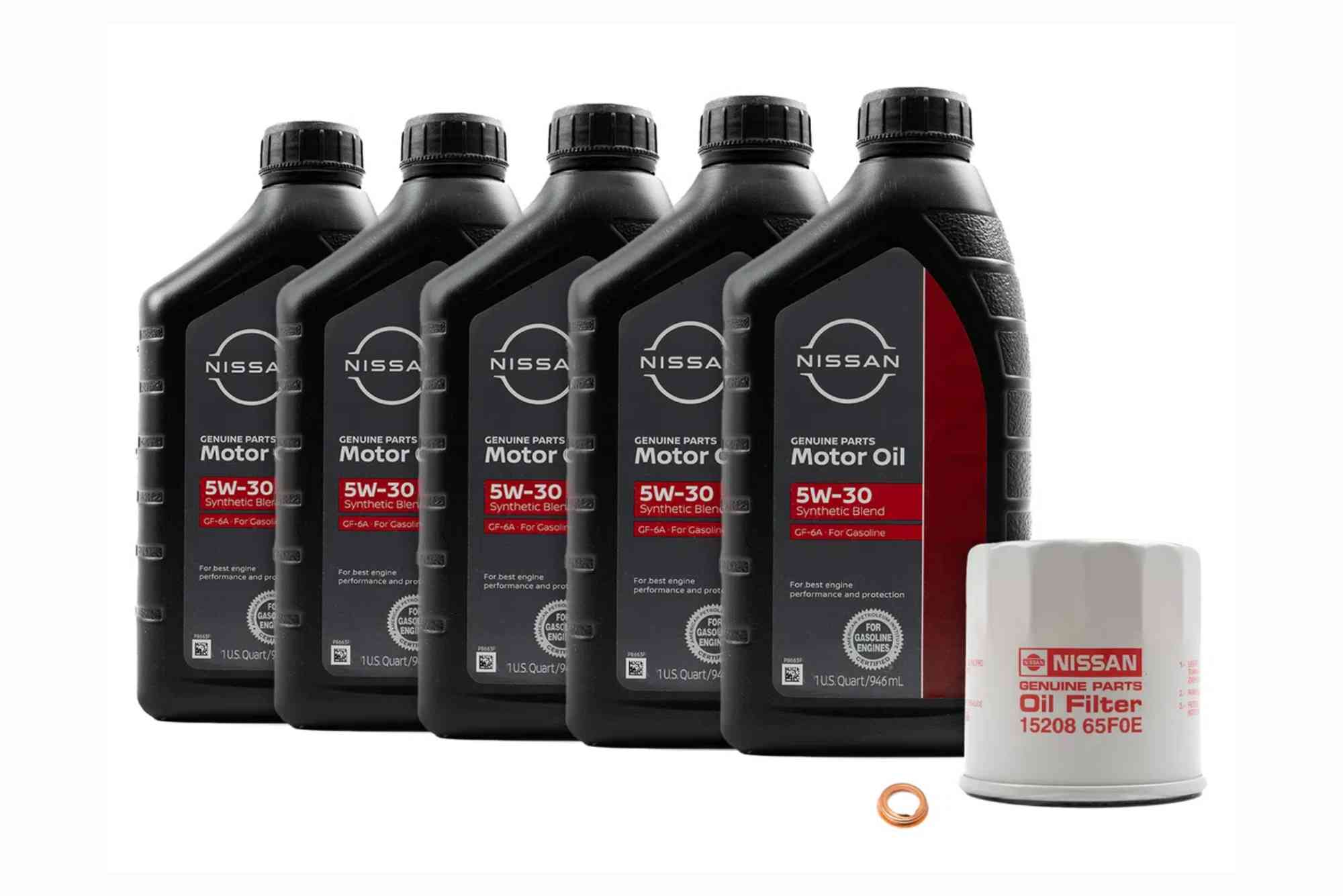
Older Maxima models might use 5W-30 synthetic blend or conventional oil, depending on manufacturer specifications. The viscosity rating represents how well the oil flows in different temperatures. The first number (0W or 5W) indicates how well the oil performs in cold starts, while the second number (20 or 30) represents its performance at high temperatures.

By sticking to the correct oil type, you ensure that your Maxima’s engine runs efficiently, remains protected, and maintains optimal fuel economy.
How to Check and Maintain the Right Oil Level
Regularly checking your oil level ensures your engine is adequately lubricated at all times. To check it properly, park the car on level ground and wait for the engine to cool down. Then pull out the dipstick, wipe it clean, and reinsert it. When you pull it out again, the oil level should be between the “MIN” and “MAX” marks.
If the oil appears dirty or dark, it’s time for a change. Clean, fresh oil should appear amber or light brown. Make sure not to overfill, as it can cause foaming and pressure issues. If you recently had an oil change, it’s a good idea to recheck after driving a few miles, as the level may slightly settle.
Nissan Maxima Oil Change Interval
For most Maxima models using synthetic oil, the recommended oil change interval is approximately 7,500 to 10,000 miles, or every six months, whichever comes first. However, if you often drive in dusty areas, tow heavy loads, or experience stop-and-go traffic, it’s better to change the oil more frequently—around 5,000 miles.
Your vehicle’s onboard maintenance reminder system will alert you when an oil change is due. Following the manufacturer’s schedule helps maintain performance and prevent unnecessary engine wear.
Signs That You Need an Oil Change
Even with synthetic oil, your Nissan Maxima will eventually need an oil change. Watch for these common signs that it’s time for service:
- The oil change warning light or check engine light appears on your dashboard.
- You notice darker, dirty oil on the dipstick.
- The engine starts to make ticking or knocking sounds.
- There’s a burning smell inside the cabin.
- You experience reduced performance or fuel efficiency.
Ignoring these signs can lead to expensive repairs or engine damage, so it’s best to act promptly.
The Importance of Using Genuine Nissan Oil Filters
Alongside proper oil capacity, using a genuine Nissan oil filter is crucial. The oil filter traps contaminants and particles that could harm the engine. Using low-quality filters may lead to clogging, reduced oil flow, and even engine damage. Nissan’s genuine filters are designed to match the oil flow and pressure of Maxima engines precisely, ensuring long-lasting performance and protection.
Common Mistakes to Avoid During Oil Changes
Many car owners make simple but costly mistakes when changing their oil. One of the most common is using the wrong oil type or viscosity. Another mistake is overfilling the engine, which can cause oil foaming and damage internal components.
Some drivers also forget to replace the oil filter during every oil change, which defeats the purpose of using fresh oil. Additionally, using cheap or low-quality oil can shorten your engine’s lifespan. Always opt for high-quality synthetic oil from reputable brands such as Nissan Genuine, Castrol, Mobil 1, or Valvoline.
How Oil Capacity Impacts Engine Performance
The engine oil capacity directly affects the Maxima’s performance and efficiency. Too little oil means critical components like pistons and camshafts may not be properly lubricated, increasing friction and heat. Over time, this can lead to wear and tear or even complete engine failure.
On the other hand, using too much oil causes the crankshaft to foam the oil, reducing lubrication quality and increasing pressure. This extra pressure can push oil through seals, resulting in leaks. By maintaining the correct oil capacity, you help ensure smoother engine operation, better fuel efficiency, and extended component life.
Environmental Benefits of Regular Oil Maintenance
Keeping your Nissan Maxima’s oil system clean doesn’t just protect the engine—it also helps the environment. Dirty or degraded oil increases emissions because the engine works harder. Regular oil changes ensure cleaner combustion and lower CO2 output. Additionally, disposing of used oil properly prevents soil and water contamination. Always take used oil to a recycling center or an authorized service facility.
Professional vs. DIY Oil Change
While changing your own oil can save money, it’s not always ideal for every driver. DIY oil changes require proper tools, time, and a clean workspace. If you’re confident in your skills, make sure to follow all safety procedures, dispose of used oil correctly, and reset the oil change reminder system afterward.
However, for many drivers, having a professional service center perform the oil change offers peace of mind. Trained technicians ensure the correct oil type, capacity, and filter are used while checking other essential components such as belts, hoses, and brakes. This preventive approach can save you from costly repairs later.
FAQs
How many quarts of oil does a Nissan Maxima take?
Most Nissan Maxima models with a 3.5L V6 engine require around 5.1 quarts (4.8 liters) of oil, including the filter.
What type of oil is recommended for the Nissan Maxima?
Nissan recommends SAE 0W-20 full synthetic motor oil for optimal performance and protection.
Can I use 5W-30 oil in my Nissan Maxima instead of 0W-20?
It’s best to use the manufacturer’s recommended oil type. While 5W-30 might work temporarily, it could affect efficiency and long-term performance.
How often should I change my Nissan Maxima’s oil?
With synthetic oil, you should change it every 7,500 to 10,000 miles or at least every six months.
What happens if I overfill my engine oil?
Overfilling can lead to foaming, leaks, or even internal engine damage. Always keep oil between the “MIN” and “MAX” dipstick marks.
Can I switch from conventional to synthetic oil?
Yes, you can switch to synthetic oil at any time. Synthetic oil provides better protection and longer intervals between changes.
Understanding your Nissan Maxima engine oil capacity is one of the simplest yet most important aspects of vehicle maintenance. By using the correct amount and type of oil, checking it regularly, and following the recommended service intervals, you ensure that your Maxima’s powerful engine runs smoothly for years to come.