Introduction
An outboard engine is the heart of your boat, and keeping it in excellent shape ensures reliable performance on the water. One of the most effective tools for diagnosing engine health is an outboard engine compression tester. This small yet powerful device can reveal whether your engine cylinders are functioning properly or if internal issues are lurking beneath the surface. Knowing how to use it, interpret results, and maintain your engine accordingly can save you from costly repairs and unwanted breakdowns.
Understanding compression is essential because it directly affects your engine’s power and efficiency. Low or inconsistent compression can cause hard starts, misfires, loss of power, and excessive fuel consumption. This is why performing a compression test regularly is a fundamental part of outboard engine maintenance. In this comprehensive guide, you’ll learn how to use an outboard engine compression tester, what the results mean, and how to keep your outboard in peak condition.
Understanding the Role of an Outboard Engine Compression Tester
An outboard engine compression tester measures the pressure inside each cylinder when the piston moves upward during the compression stroke. This pressure tells you how effectively the piston, rings, and valves are sealing the combustion chamber. Consistent readings across all cylinders mean the engine is in good health. However, if one or more cylinders have lower pressure, it can indicate worn rings, a damaged head gasket, or valve problems.
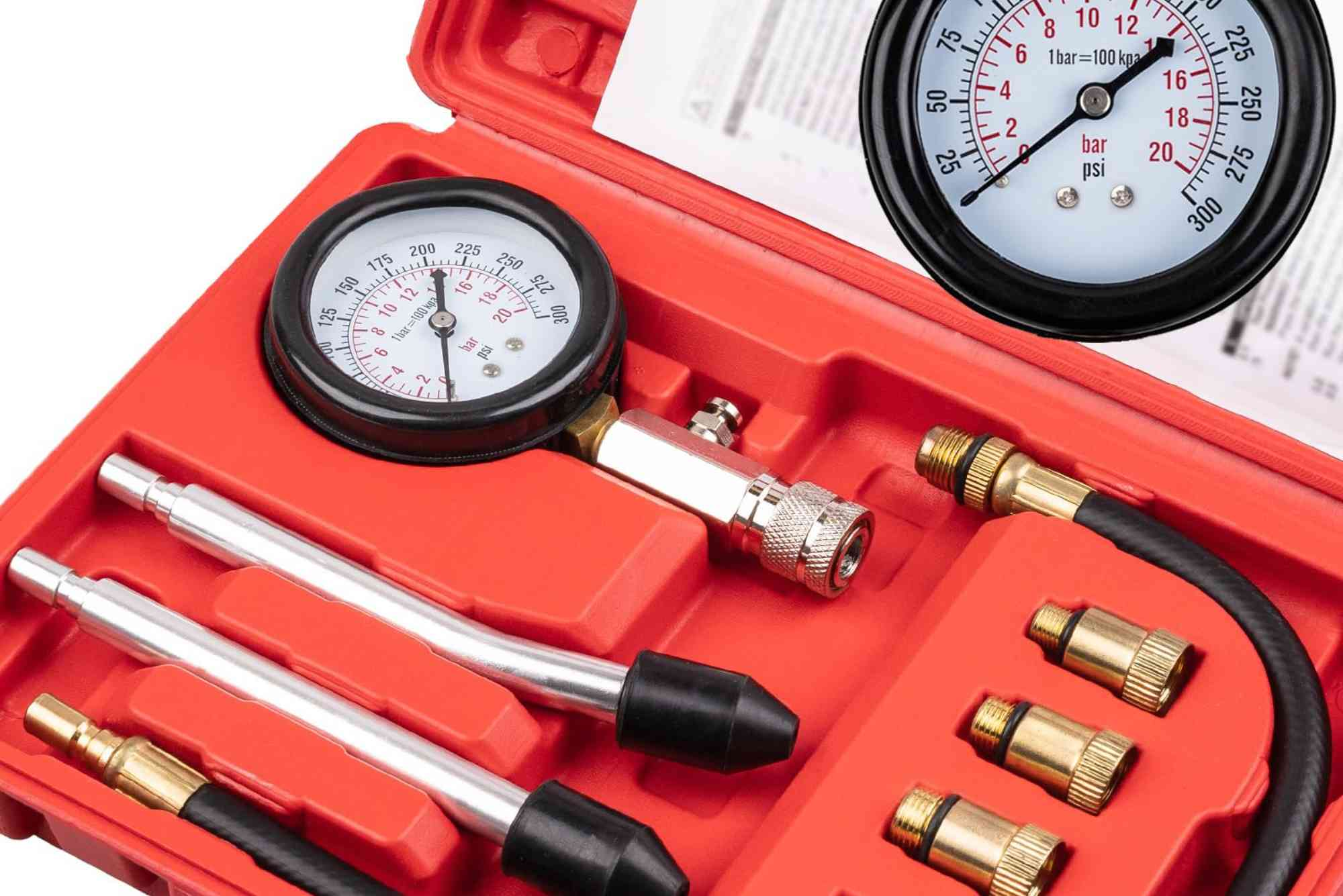
The compression tester itself is a simple tool consisting of a pressure gauge connected to a flexible hose and threaded adapter that fits into the spark plug hole. It allows you to read the pressure as the engine cranks. Most testers measure in PSI (pounds per square inch) or kPa (kilopascals). For most outboard engines, normal compression ranges between 90 and 150 PSI, but what matters most is that all cylinders have similar readings — typically within 10% of each other.
When to Perform a Compression Test
Performing a compression test should be part of your regular maintenance routine. It’s especially useful when you notice symptoms like difficulty starting, uneven idling, reduced power, or increased fuel use. It’s also a good idea to perform a compression test when purchasing a used boat. This test can quickly reveal hidden engine issues that aren’t visible from the outside. Testing once a season, preferably before the boating season begins, helps catch potential problems early.
How to Use an Outboard Engine Compression Tester
Performing a compression test is a straightforward process that any boat owner can do with a few tools and some care. Start by warming up your engine for a few minutes to ensure the oil and components are at operating temperature. Then shut the engine off and disconnect the fuel line or ignition system to prevent it from starting accidentally. Remove all spark plugs so the engine cranks evenly and quickly.

Insert the compression tester’s hose into the first spark plug hole and make sure it fits snugly. Hold the throttle wide open while cranking the engine several times — usually four to six revolutions — to get a stable reading. Note the pressure shown on the gauge. Repeat the process for each cylinder, recording each result carefully.
Once all cylinders have been tested, compare the readings. A healthy engine will have readings that are close to one another. If one cylinder is significantly lower, you may have worn piston rings or a leaking valve. If two adjacent cylinders are low, it may point to a blown head gasket.
Interpreting Compression Test Results
Understanding what your readings mean is key to diagnosing your engine. A compression reading within the manufacturer’s specifications indicates that the internal components are sealing well and performing efficiently. If all readings are within 10% of each other, your engine is in good condition.
However, if you notice large differences, further inspection is necessary. For example, if one cylinder reads 120 PSI and another reads 90 PSI, that 25% difference is a red flag. To confirm the issue, you can perform a wet compression test. Add a small amount of engine oil into the low cylinder and repeat the test. If the compression increases significantly, worn piston rings are the likely cause. If it remains low, you may have valve or head gasket damage.
Common Causes of Low Compression
Low compression in an outboard engine can result from several mechanical problems. Worn piston rings are among the most common, especially in older engines or those not properly lubricated. Damaged or warped valves can also prevent proper sealing, leading to pressure loss. Another common culprit is a blown head gasket, which can allow pressure to escape between cylinders or into the cooling system.
Corrosion and carbon buildup can also interfere with valve operation and piston movement. Regular maintenance, including cleaning and proper oiling, helps prevent these issues.
Maintaining Your Engine After a Compression Test
After performing a compression test, it’s important to take steps based on your results. If the readings are healthy, continue with regular maintenance such as oil changes, spark plug replacement, and proper fuel treatment. Clean the fuel system and inspect the cooling system to keep your engine running smoothly.
If the readings are low or uneven, don’t ignore them. Identify and address the root cause immediately. Replacing worn piston rings or gaskets early can prevent catastrophic engine failure later. Also, ensure you’re using the correct oil-to-fuel ratio recommended for your engine type, as improper mixtures can accelerate wear.
Tips for Accurate Compression Testing
To ensure reliable results when using an outboard engine compression tester, follow a few best practices. Always test with a fully charged battery to ensure consistent cranking speed. Keep the throttle open during testing to allow maximum air intake. Use the same number of engine revolutions for each cylinder to maintain consistency. Record all results clearly and compare them with previous tests to monitor engine health over time.
Avoid testing a cold engine unless absolutely necessary. A warm engine produces more accurate and consistent readings. Always disable the ignition or fuel system to avoid accidental starts, and handle spark plugs with care to prevent damage.
Benefits of Regular Compression Testing
Regular use of an outboard engine compression tester provides valuable insight into your engine’s condition. By tracking compression readings over time, you can detect wear and tear before it becomes serious. This proactive approach not only extends your engine’s lifespan but also ensures smoother operation and better fuel efficiency.
Compression testing also gives you confidence when buying or selling a used boat. A compression test report proves the engine’s health, increasing its resale value and helping buyers make informed decisions. Moreover, it prevents unexpected engine failure during boating trips, ensuring safety and peace of mind.
Choosing the Right Outboard Engine Compression Tester
When selecting a compression tester, choose one compatible with your engine type and size. Look for a tester with durable materials, a clear pressure gauge, and multiple adapters for different spark plug sizes. Digital testers are available, but traditional analog gauges remain reliable and easy to use.
Accuracy and durability are key. A tester with a pressure release valve and flexible hose is convenient and safer to operate. Always read the manufacturer’s instructions to ensure correct use and storage.
Troubleshooting After Testing
If your test reveals low compression, don’t panic. Start with basic inspections. Check for loose spark plugs, worn gaskets, or carbon deposits around the valves. Clean the engine thoroughly and retest to confirm the results. If the issue persists, a leak-down test can help pinpoint the exact source of pressure loss.
In severe cases, professional inspection may be necessary. A marine mechanic can use specialized tools to assess valve conditions, head gaskets, and piston wear. Prompt repairs prevent further damage and maintain optimal performance.
Frequently Asked Questions
How often should I test my outboard engine compression?
It’s recommended to perform a compression test at least once a year or before each boating season. Testing before long trips can also prevent surprises on the water.
What is a good compression reading for an outboard engine?
Most outboard engines perform best with compression readings between 90 and 150 PSI, depending on the model. The most important factor is that all cylinders are within 10% of each other.
Can low compression cause hard starting?
Yes, low compression can make it difficult for the engine to ignite the air-fuel mixture, leading to hard starts or failure to start altogether.
Do I need to remove all spark plugs for testing?
Yes, removing all spark plugs allows the engine to crank evenly and prevents interference from other cylinders, giving more accurate readings.
Can I use any automotive compression tester for my outboard engine?
Many automotive testers work fine, but make sure the fittings match your spark plug size and that the tester can handle your engine’s pressure range.
Using an outboard engine compression tester is one of the simplest yet most powerful ways to assess your engine’s health. By understanding how to test, interpret, and maintain your engine’s compression, you can prevent costly repairs, improve performance, and ensure dependable operation season after season. Regular testing helps you catch minor issues early, extend your engine’s lifespan, and enjoy more time on the water without worries.