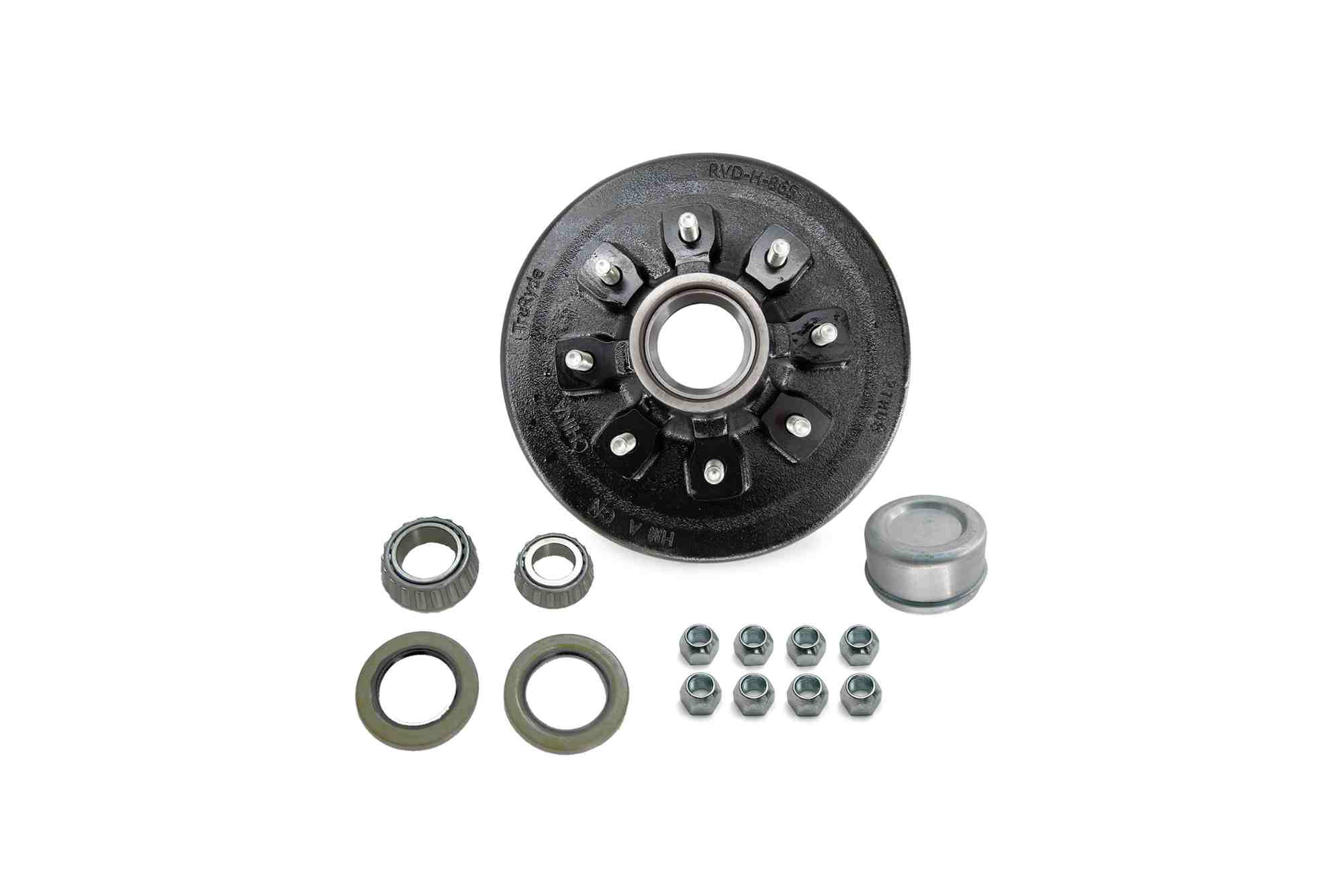
Trailer Brake Drum Sizes: A Complete Guide to Sizing and Installation
Choosing the correct trailer brake drum size is one of the most important steps in ensuring safe and reliable braking performance for your trailer. Whether you’re hauling a boat, livestock, or heavy equipment, the right brake drum size affects not just how well your trailer stops, but also how smoothly it tows. In this complete guide, we’ll explore everything you need to know about trailer brake drum sizes—from understanding their function and measurements to installation tips and maintenance best practices.
Understanding the Role of Trailer Brake Drums
Trailer brake drums are an essential part of a trailer’s braking system. They work by creating friction through brake shoes pressing against the inner surface of the drum, slowing down the trailer’s rotation. Unlike disc brakes, which use calipers, drum brakes enclose the braking components inside a circular drum. This setup provides durability, reliability, and excellent performance under load, especially for heavy-duty or utility trailers. The brake drum not only helps stop your trailer but also distributes braking heat evenly to prevent damage to the wheel assembly.
Why Trailer Brake Drum Sizes Matter
The size of your trailer brake drum directly affects braking force, heat dissipation, and overall trailer safety. A mismatch in drum size and axle capacity can lead to overheating, poor braking response, or even failure. Larger drums are better for heavier loads, offering stronger braking torque and greater thermal capacity. Smaller drums work well for lightweight trailers where less braking power is needed. Choosing the correct size ensures your trailer maintains proper braking balance and stability during towing.
Common Trailer Brake Drum Sizes
Trailer brake drums are available in several sizes depending on axle weight ratings and wheel bolt patterns. The most common sizes include 7-inch, 10-inch, and 12-inch drums, although heavy-duty trailers may use 12¼-inch or larger drums.
7-inch drums are typically found on smaller utility or boat trailers rated for 2,000–2,200 pounds per axle. They provide adequate braking for light loads and are compact for smaller wheels.
10-inch drums are used on medium-duty trailers with axle ratings between 3,500 and 4,400 pounds. This size strikes a balance between stopping power and weight.
12-inch drums are standard on larger trailers such as travel trailers, cargo haulers, and horse trailers. They handle axle capacities of 5,000–7,000 pounds or more, offering superior heat management for long-distance or heavy towing.
Understanding your axle’s weight capacity is key to selecting the correct brake drum size. Most trailer axles have a label or plate with their load rating and hub specifications.

How to Measure Trailer Brake Drum Sizes
Measuring a trailer brake drum correctly ensures you get the right replacement part or upgrade. To determine drum size, measure the inside diameter and drum width. The inside diameter is the distance across the drum where the brake shoes contact the surface, while the width is the depth of the braking surface itself.
For example, a drum labeled “10 x 2¼” means it has a 10-inch inside diameter and a 2¼-inch shoe surface width. You can use a tape measure or caliper for accurate readings. Always measure across the clean, unworn area of the drum to avoid false readings due to wear or scoring.
Matching Brake Drums to Axle Ratings
Each trailer axle is designed for a specific brake drum and hub assembly. Matching these components ensures correct braking performance and wheel fitment. Common pairings include:
- 2,000–2,200 lb axles with 7-inch drums
- 3,500 lb axles with 10-inch drums
- 5,200–7,000 lb axles with 12-inch drums
- 8,000 lb or higher axles with 12¼-inch or larger drums
Using a drum smaller than recommended can reduce braking force and increase stopping distances, while oversized drums may not fit properly within your wheel size.
Bolt Patterns and Hub Compatibility
Trailer brake drums are also defined by their bolt pattern, which must match your trailer wheel. Common bolt patterns include 4-lug, 5-lug, 6-lug, and 8-lug configurations. To determine your bolt pattern, measure the distance between lug studs across the hub or count the lugs and refer to a bolt circle chart.
For example, a 5-on-4.5 pattern means five lugs spaced 4.5 inches apart in diameter. Proper bolt pattern alignment ensures the drum centers perfectly on the wheel, maintaining smooth braking and wheel rotation.
Electric vs. Hydraulic Brake Drums
Trailer brake drums can operate using either electric or hydraulic braking systems.
Electric brake drums use magnets controlled by a brake controller in the tow vehicle. They are easier to install, maintain, and adjust, making them popular for most RVs and utility trailers.
Hydraulic brake drums, on the other hand, use fluid pressure from a surge actuator to engage the brakes. They are often used for boat trailers because they work well in wet environments.
Both systems rely on drum size for performance, but electric brakes typically require precise adjustment to maintain even braking force across all wheels.
Installation Guide for Trailer Brake Drums
Installing trailer brake drums correctly is vital for safe operation. Begin by parking the trailer on a level surface and safely supporting it with jack stands. Remove the wheel and old drum, inspect the spindle, and clean all surfaces before installation.
Slide the new brake drum onto the spindle, ensuring it fits snugly over the brake shoes. Reinstall the washer and spindle nut, tightening until there is no play but allowing the drum to spin freely. Adjust the brake shoes using the access hole on the backing plate until you feel light resistance when turning the drum by hand.
Finally, reinstall the wheel and torque the lug nuts to manufacturer specifications. If you’re using electric brakes, test the system with your brake controller to ensure even braking.
Maintenance Tips for Trailer Brake Drums
Regular maintenance helps extend the lifespan of your trailer’s braking system. Here are some essential tips:
Inspect drums every 3,000–5,000 miles for wear, cracks, or heat discoloration.
Clean drums and brake shoes with brake cleaner to remove dust and debris.
Check for proper shoe adjustment to prevent dragging or uneven wear.
Lubricate wheel bearings regularly to avoid overheating.
Replace drums when the inner diameter exceeds the manufacturer’s wear limit.
These simple steps can prevent brake failure and ensure consistent performance during every tow.
Signs You Need to Replace Your Brake Drums
Knowing when to replace your trailer brake drums can save you from costly accidents. Look out for these warning signs:
- Vibrations or pulsing when braking
- Grinding or squealing noises
- Uneven braking or trailer sway
- Excessive heat or burnt smell from wheels
- Visible cracks or deep grooves in the drum surface
If you notice any of these symptoms, inspect the brake drums immediately and replace them if necessary.
Upgrading Your Trailer Brake System
For improved stopping power, consider upgrading to self-adjusting electric brake drums. These systems automatically maintain proper shoe clearance, reducing maintenance needs and ensuring consistent braking force. You can also choose vented or high-performance drums for better cooling on long hauls.
When upgrading, always verify compatibility with your existing hubs, bearings, and brake assemblies. It’s also wise to check your trailer’s gross vehicle weight rating (GVWR) to ensure the brake system can handle the load.
Choosing the Right Trailer Brake Drum Sizes for Safety and Performance
Selecting the correct trailer brake drum sizes is essential for maintaining safety, stability, and braking efficiency during every tow. Understanding your trailer’s axle capacity, measuring drums accurately, and ensuring proper installation all contribute to better performance and longevity. Regular inspections and timely replacements prevent accidents and keep your trailer roadworthy for years.
If you’re unsure which brake drum size fits your trailer, consult your manufacturer’s specifications or seek expert advice from a trusted trailer parts supplier. Invest in quality components and consistent maintenance—because when it comes to towing, your brakes are your most important safety feature.
FAQs
What size brake drums do I need for my trailer?
The correct size depends on your trailer’s axle rating. For example, a 3,500 lb axle typically uses 10-inch drums. Check your axle tag for accurate specifications.
How do I tell if my trailer has 10-inch or 12-inch brakes?
Remove the wheel and measure the inside diameter of the drum. A 10-inch drum measures about 10 inches across the brake shoe surface, while a 12-inch drum measures closer to 12 inches.
Can I replace 10-inch drums with 12-inch ones?
Only if your axle, hubs, and brake backing plates are compatible. Upgrading to larger drums usually requires corresponding brake assemblies and wheel clearance.
Do trailer brake drums need to be balanced?
Yes, balanced drums reduce vibration and ensure even braking. Most quality drums come pre-balanced from the factory, but you can have them checked professionally if you experience vibration issues.
How long do trailer brake drums last?
With proper care, they can last 30,000–50,000 miles. However, driving conditions, load weight, and maintenance frequency affect their lifespan.
Related Reading: Dubai Chauffeurs Ready for the Smart Mobility Revolution in 2026