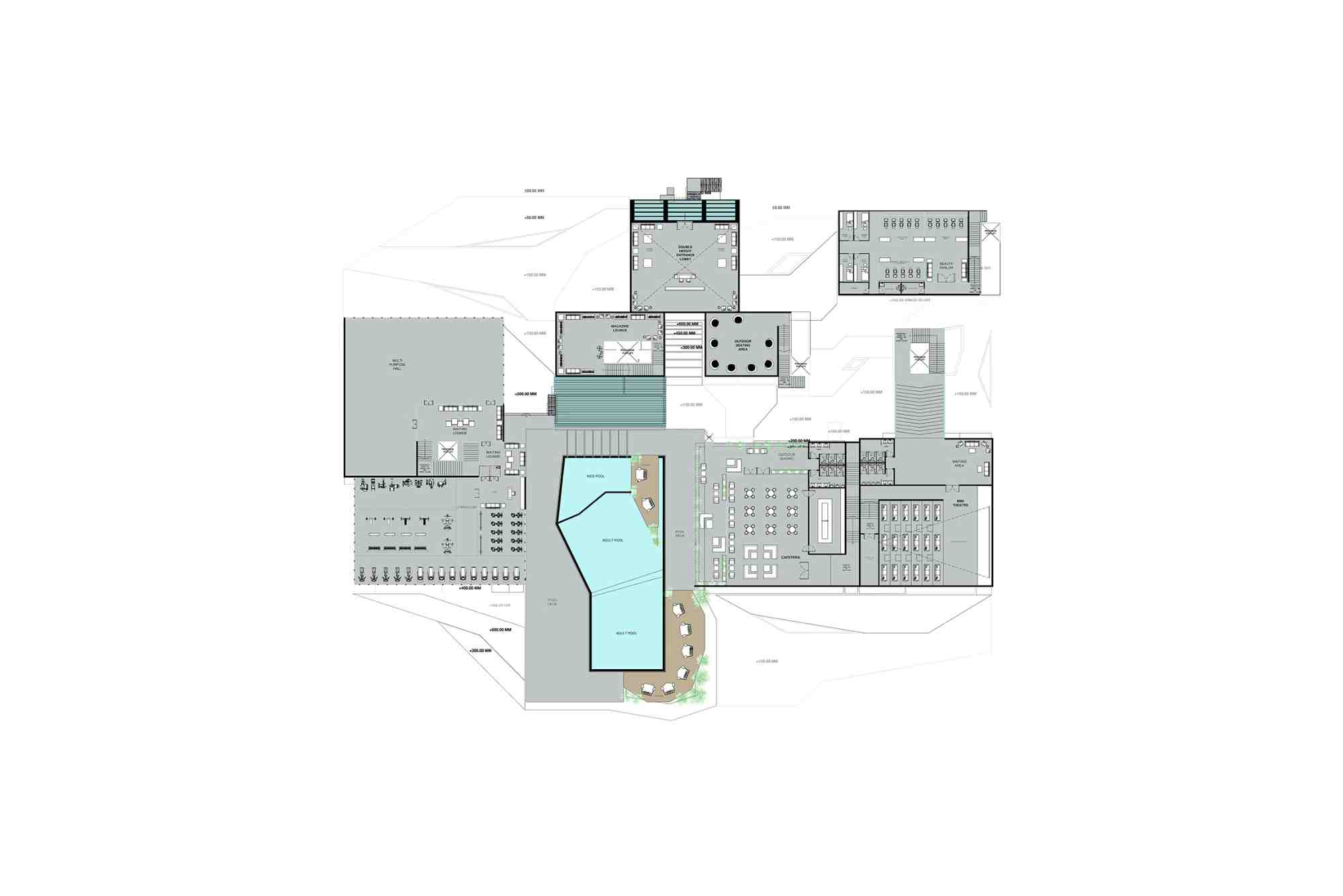
Clubhouse Floor Plan Design – Creating an Inviting Space for Residents
Designing a clubhouse that feels warm, functional, and community-focused requires more than just architectural skill. A great clubhouse floor plan design blends comfort, aesthetics, and purpose to create a shared space that residents truly love. Whether it’s an apartment community, gated neighborhood, or luxury housing complex, a well-thought-out clubhouse becomes the heart of social interaction and relaxation.
A modern clubhouse must be more than a meeting spot—it should inspire connection, wellness, and entertainment. The design should reflect the community’s lifestyle while also being adaptable for multiple activities. From fitness areas and lounges to coworking spaces and outdoor patios, every square foot should have meaning and flow seamlessly with the next.
Understanding the Purpose of a Clubhouse
The foundation of any successful clubhouse floor plan design starts with understanding its role within the community. A clubhouse is not just a building; it’s a social hub that enhances residents’ quality of life. It brings people together for recreation, celebrations, and everyday relaxation.
Developers and architects should first analyze the community demographics—young professionals, families, or retirees—since each group has unique needs. For instance, a family-oriented neighborhood may prioritize children’s play zones and large event areas, while luxury apartments may focus on spa amenities, lounges, and coworking rooms.
A clear understanding of purpose helps in deciding spatial priorities. Once the purpose is established, designers can organize the layout, choose materials, and integrate features that truly reflect community identity.
Key Elements of an Effective Clubhouse Floor Plan Design
The success of a clubhouse lies in its layout and flow. Every space must connect logically to another, ensuring comfort and convenience. Here are essential elements that contribute to a standout design:

Welcoming Entrance and Lobby
The first impression is everything. A spacious lobby or reception area sets the tone for the entire clubhouse. Natural lighting, modern furniture, and visual openness make the space feel inviting. The entrance should also offer clear pathways leading to major sections like the lounge, fitness area, or meeting rooms.
Community Lounge and Gathering Spaces
A central lounge area serves as the heart of the clubhouse. Comfortable seating, warm lighting, and flexible layouts make it suitable for both intimate conversations and group activities. Incorporating multi-functional furniture ensures the space can easily adapt for events or informal meetings.
Fitness and Wellness Zones
Modern residents prioritize health, making a fitness center a must-have in clubhouse floor plan design. Include space for cardio machines, weights, yoga studios, or even small spa rooms. Designers should also focus on acoustics, ventilation, and proximity to restrooms or locker areas for maximum convenience.
Event and Party Rooms
A dedicated event room provides flexibility for community gatherings, parties, or business meetings. Modular walls and adjustable lighting allow the space to transform easily based on occasion. Integrating storage areas for chairs, tables, and AV equipment ensures efficiency and organization.
Work and Study Areas
With remote work becoming a norm, coworking or study zones are essential. A quiet, well-lit room with power outlets, Wi-Fi connectivity, and ergonomic furniture encourages productivity while maintaining a community feel. Acoustic separation from social areas ensures minimal distraction.
Entertainment and Game Zones
Recreation enhances social life. Including a game room, cinema lounge, or billiard section adds fun and energy. Designers should consider layout spacing to avoid noise interference with other calm zones like the reading area or lounge.
Outdoor Spaces and Connection to Nature
A seamless connection between indoor and outdoor areas elevates any clubhouse floor plan design. Outdoor seating, barbecue areas, swimming pools, or landscaped courtyards create refreshing breaks from indoor spaces. Use sliding glass doors or large windows to visually link both environments.
Kitchen and Refreshment Areas
A kitchenette or snack bar increases functionality, especially during events. Proper ventilation, counter space, and durable materials ensure practicality and hygiene. Designers should position these near event or lounge areas for easy service access.
Accessibility and Flow
The entire design should prioritize ease of movement. Wide corridors, ramps, and accessible restrooms ensure inclusivity for all residents. Logical spatial flow avoids congestion, guiding visitors naturally from one section to another.
Design Principles for a Functional and Beautiful Clubhouse
To achieve harmony and balance, designers should integrate architectural creativity with practical functionality. Here are core principles to keep in mind:
Balance Between Aesthetics and Utility
A stunning design loses meaning if it lacks usability. The most effective clubhouse floor plan design harmonizes beauty with practicality. Thoughtful layouts, soft color palettes, and natural materials create comfort while serving everyday needs.
Natural Light and Ventilation
Daylight enhances mood, while cross-ventilation keeps interiors fresh. Skylights, large windows, and glass walls not only save energy but also connect residents with nature.
Acoustics and Privacy
Proper sound control maintains comfort. Acoustic panels, carpets, and spatial zoning ensure that social areas remain lively without disturbing quiet zones.
Technology Integration
Smart lighting, temperature control, and automated security systems are becoming integral in modern clubhouses. Integrating these from the design stage ensures efficiency and convenience.
Sustainability and Eco-Friendly Materials
Sustainability adds long-term value. Using recycled materials, energy-efficient lighting, and low-water landscaping supports environmental goals and reduces maintenance costs.
Steps to Designing a Perfect Clubhouse Floor Plan
Creating an exceptional clubhouse floor plan design involves strategic planning and attention to detail. Here’s a simplified process:
Identify Community Needs
Survey residents or potential buyers to understand their preferences. This ensures the design serves real demands rather than assumptions.
Set the Space Program
Define square footage requirements for each zone based on expected usage. Allocate more area to high-traffic sections like lounges or fitness rooms.
Develop Flow and Zoning
Group similar activities together while separating contrasting ones. For instance, position wellness zones away from entertainment areas.
Optimize Circulation and Accessibility
Create wide pathways and ensure all facilities are easily reachable. Accessibility should comply with ADA standards to accommodate everyone.
Add Personality with Finishes and Furnishings
The design’s visual tone—whether modern, rustic, or minimalist—should align with community identity. Furniture, lighting, and décor bring warmth and style to the architectural shell.
Common Mistakes to Avoid in Clubhouse Floor Plan Design
Even experienced developers can make errors that compromise the user experience. Here are pitfalls to watch out for:
Ignoring flow between zones can lead to congestion or confusion. Overcrowding spaces with furniture reduces flexibility and comfort. Poor acoustic planning results in noise spillover between active and quiet areas. Lack of natural light can make interiors feel closed and uninspiring. Lastly, skipping sustainable solutions increases long-term costs and energy consumption.
Benefits of a Well-Designed Clubhouse
A thoughtfully designed clubhouse doesn’t just look good—it enhances resident satisfaction, community engagement, and property value. It creates a sense of belonging, encourages social interactions, and supports well-being through leisure and wellness activities. Additionally, an appealing clubhouse floor plan design becomes a strong marketing feature for property developers, helping attract potential residents or buyers.
Trends Influencing Modern Clubhouse Designs
In 2025, several trends are shaping how designers approach community clubhouses. Flexible multipurpose layouts are replacing rigid room divisions. Outdoor living integration, biophilic design, and smart technology continue to gain importance. Eco-friendly materials and sustainable practices remain at the forefront, aligning with global green building standards. Wellness-centered designs that include meditation zones, spa facilities, and nature-inspired interiors are increasingly popular as residents seek balanced lifestyles.
An exceptional clubhouse floor plan design is more than architectural precision—it’s about creating a space where people feel connected, relaxed, and inspired. The right design fosters community, enhances property value, and reflects the residents’ lifestyle. By focusing on flow, functionality, and aesthetics, developers can transform ordinary buildings into memorable social hubs.
If you’re planning a new residential project or redesigning an existing clubhouse, start by understanding your community’s needs and let design bring them to life. Thoughtful planning today builds the foundation for vibrant, lasting communities tomorrow.
FAQs
What should be included in a clubhouse floor plan design?
A clubhouse should include a welcoming lobby, lounge, fitness area, coworking space, event room, kitchen, outdoor zone, and adequate restrooms to ensure comfort and usability.
How large should a community clubhouse be?
The ideal size depends on the number of residents. For small communities, 2,000–3,000 square feet is sufficient. Larger communities may require over 5,000 square feet to accommodate multiple activities.
How can I make my clubhouse more inviting?
Use warm lighting, comfortable seating, and open layouts. Add natural materials, greenery, and personal touches to create a relaxing, community-driven ambiance.
What are the latest clubhouse design trends?
Modern trends include multipurpose spaces, biophilic interiors, energy-efficient systems, and smart technology integration for security and comfort.
Why is clubhouse floor plan design important?
A well-planned layout improves functionality, enhances resident experience, and increases the property’s overall value and appeal.