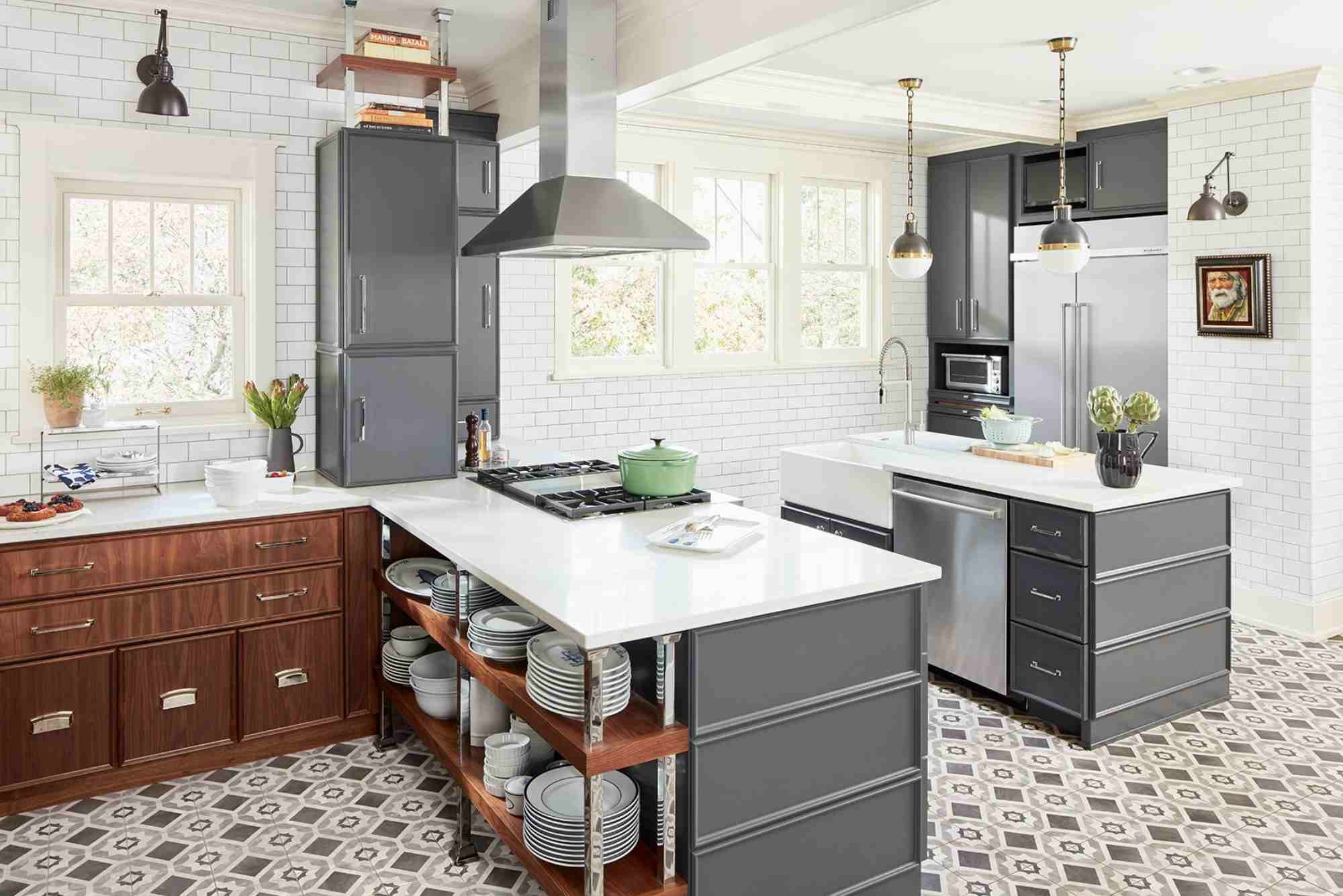
Closed Off Kitchen Floor Plans – Embrace Open Living with Style
For decades, open-concept kitchens have dominated modern home design, offering free-flowing spaces and social connectivity. Yet, a growing number of homeowners and designers are rediscovering the charm, practicality, and elegance of closed off kitchen floor plans. These layouts create defined zones within a home—bringing back privacy, organization, and quiet functionality—without sacrificing the sense of openness and style that modern living demands.
Why Closed Off Kitchen Floor Plans Are Making a Comeback
Home design trends are cyclical, and the revival of closed kitchens proves this perfectly. While open-plan layouts have long been associated with togetherness and entertaining, today’s homeowners crave spaces that offer peace, separation, and purpose.
The Return of Functionality and Focus
In a closed off kitchen floor plan, each area of the home serves its own function. This separation allows you to focus on cooking without distractions, maintain order, and reduce the mess visibility from living or dining areas. It’s a return to intentional living—something open spaces sometimes overlook.
Privacy and Noise Control
Closed kitchens are ideal for those who value privacy and tranquility. Whether you’re hosting guests or working from home, the enclosed design naturally reduces noise transmission. The sound of clanging dishes or appliances won’t disrupt a movie night or virtual meeting in the adjacent room.
Odor and Heat Containment
Cooking aromas can be delightful but not when they linger throughout the house. A closed off kitchen helps contain heat, smells, and smoke within a designated space. This practical benefit is especially appealing in smaller homes or apartments.
A Sense of Order and Cleanliness
Closed kitchens hide clutter, dishes, and prep mess behind walls and doors, maintaining a clean and composed look in the rest of the home. For homeowners who prefer visual calm and organization, this design offers a distinct advantage.

How to Design Closed Off Kitchen Floor Plans That Still Feel Open
A common misconception about closed kitchens is that they feel dark or cramped. Modern design innovations have eliminated that problem entirely. You can have privacy without sacrificing openness.
Use Glass Partitions or Sliding Doors
Glass walls or sliding partitions create visual openness while preserving separation. They let natural light flow through spaces, helping your kitchen feel airy while maintaining privacy when needed. Frosted or ribbed glass options add texture and style.
Incorporate Wide Doorways and Arches
Wider doorways or arched openings can connect your kitchen to the living or dining room without fully merging the spaces. This approach maintains visual connection and allows for easy movement while clearly defining each zone.
Optimize Lighting Design
Layered lighting is essential for a closed off kitchen. Combine recessed ceiling lights, under-cabinet LED strips, and pendant fixtures to brighten every corner. Using warm, ambient lighting enhances comfort and makes the room inviting rather than isolated.
Use Reflective Finishes
Glossy cabinets, mirrored backsplashes, and light-toned countertops can bounce light around, creating the illusion of space. These reflective materials make your closed kitchen appear more expansive and luminous.
Integrate Smart Ventilation
Since a closed kitchen traps cooking odors more easily, a strong ventilation system is key. Invest in a high-quality range hood or ceiling-mounted extractor fan to ensure fresh air circulation and maintain comfort.
The Perfect Blend: Closed Off Yet Open-Concept Living
You don’t have to choose between a fully open or entirely closed kitchen. Many designers are now embracing semi-open layouts—a hybrid approach that offers the best of both worlds.
Partial Walls or Half-Partitons
A half wall between the kitchen and living room offers visual continuity while maintaining distinction. It allows you to socialize while cooking without feeling overly exposed.
Kitchen Nooks or Alcoves
Placing the kitchen slightly off the main living area or within an architectural nook creates a sense of separation while keeping proximity. This setup is common in urban apartments where space efficiency is crucial.
Breakfast Bars or Pass-Through Windows
Adding a pass-through window or breakfast bar connects the kitchen to the dining space while maintaining a boundary. It encourages communication and interaction without compromising structure.
Pocket or Sliding Doors
Sliding doors give flexibility—you can keep them open during social gatherings or close them when you need focus or privacy. They’re an elegant and space-saving solution for modern homes.
The Design Aesthetic of Modern Closed Kitchens
Closed off kitchen floor plans today are far from the dim, boxed-in rooms of the past. They’ve evolved into elegant, tailored spaces that reflect individual lifestyles.
Material Harmony
Choosing materials that echo those in surrounding spaces creates a cohesive feel. For instance, repeating the same wood tone or stone surface from the dining area in the kitchen can visually tie both rooms together.
Bold Cabinetry and Colors
Closed kitchens allow for bold design experimentation. You can embrace deep greens, navy blues, or matte black cabinetry without worrying about overwhelming an open space. It’s your private design laboratory.
Hidden Storage and Integrated Appliances
To maintain a sleek, uncluttered aesthetic, opt for built-in storage and hidden appliances. Tall pantry cabinets, pull-out drawers, and panel-covered fridges keep everything streamlined.
Personalized Layouts
Unlike open kitchens that often need to flow with living room furniture, closed kitchens can be customized purely for utility. You can design around your cooking style—whether you prefer a galley layout, U-shape, or L-shape with maximum storage.
Benefits of Closed Off Kitchen Floor Plans
The advantages go beyond visual appeal. Closed kitchen designs offer practical, emotional, and aesthetic benefits that can enhance everyday living.
Better Organization
Each cabinet and counter can serve a specific purpose, making it easier to keep your kitchen neat and functional.
Energy Efficiency
Closed kitchens are easier to heat or cool, especially if separated from large open spaces. This containment can reduce energy costs over time.
Enhanced Focus
Whether you’re preparing a meal or working on a recipe, enclosed spaces reduce distractions. You can cook, bake, or prep in peace.
Greater Design Flexibility
You can explore unique design identities in each room. For example, a rustic farmhouse kitchen can sit next to a sleek modern living room without visual conflict.
Common Mistakes to Avoid in Closed Kitchen Design
Even the best concept can fall flat with poor execution. To maximize the potential of your closed off kitchen floor plan, avoid these pitfalls.
Ignoring Natural Light
Closed kitchens can become gloomy if they lack windows or adequate lighting. Incorporate skylights, transoms, or reflective materials to brighten the space.
Overcrowding the Layout
Too many cabinets or bulky islands can make the room feel tight. Prioritize circulation and choose compact storage solutions.
Poor Ventilation Planning
A weak exhaust system can trap heat and odors. Invest in a powerful hood and maintain airflow through vents or small windows.
Neglecting Aesthetic Flow
Even with separation, ensure visual harmony across spaces by coordinating color tones, flooring, or hardware finishes.
Redefining Modern Comfort with Closed Off Kitchen Floor Plans
The renewed appreciation for closed off kitchen floor plans reflects a deeper shift toward intentional, balanced living. Homeowners today value both connection and solitude—spaces that support togetherness without losing individuality. A closed kitchen gives you control over your environment, enhances focus, and brings a sense of calm back to the heart of the home.
Whether you’re remodeling or designing from scratch, consider embracing this timeless layout with a modern twist. Combine privacy with light, function with beauty, and tradition with innovation. In doing so, you’ll create a kitchen that feels personal, practical, and perfectly in tune with your lifestyle.
FAQs
What is a closed off kitchen floor plan?
A closed off kitchen floor plan features walls or partitions separating the kitchen from living and dining spaces, offering privacy and focused functionality.
Are closed kitchens outdated?
No, closed kitchens are making a strong comeback. Designers now blend traditional privacy with modern aesthetics to create elegant and practical layouts.
How do I make a closed kitchen feel bigger?
Use light colors, glass panels, layered lighting, and minimal clutter. Reflective materials can also enhance the sense of space.
Can I mix open and closed kitchen concepts?
Yes, a semi-open design offers the best balance. Use half walls, sliding doors, or glass partitions to connect yet define areas.
What are the pros and cons of closed off kitchens?
The pros include privacy, odor control, and cleaner aesthetics. The cons may involve less social interaction and limited natural light if poorly designed.
Related Reading: Floor Plan Mall of the Emirates Map — full guide