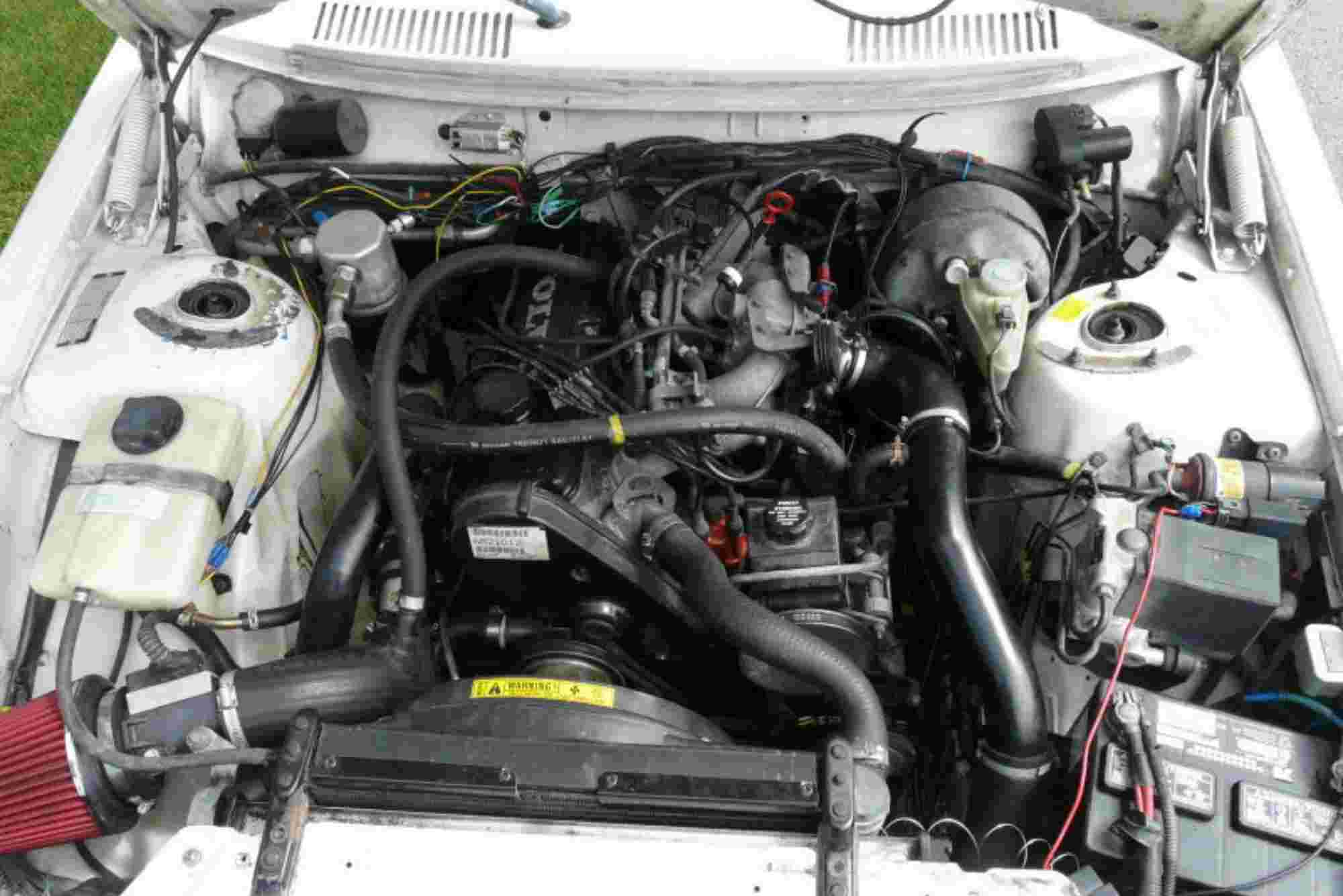
B230FT Engine: A Look at Volvo’s Performance Legacy
Volvo has long been synonymous with safety, durability, and understated performance. Among its notable achievements in automotive engineering, the B230FT engine stands out as a symbol of power and reliability. This turbocharged inline-four engine captured the attention of enthusiasts in the 1980s and 1990s and remains a favorite for tuning and restoration projects today.
In this guide, we’ll explore the B230FT engine, its design, performance characteristics, maintenance insights, and why it continues to hold a special place in Volvo’s legacy.
Understanding the B230FT Engine
Engine Origins and Overview
The B230FT engine was introduced in the mid-1980s as part of Volvo’s B23 and B230 series. The “B” stands for benzin (gasoline), “230” indicates the engine displacement of 2.3 liters, and “FT” designates a turbocharged fuel-injected variant.
This engine powered several Volvo models, including the 740 Turbo, 760 Turbo, and early 940 Turbo models. Volvo’s goal was to blend reliability with performance, making the B230FT suitable for both daily driving and spirited performance applications.
Key Specifications
The B230FT engine is a 2.3-liter inline-four with a turbocharger. It features an interference-free head design, cast iron block, and aluminum cylinder head. The engine typically produces around 162 horsepower and 195 lb-ft of torque, impressive numbers for its era.
Other specifications include:

- Compression Ratio: 7.5:1
- Turbocharger: Single Garrett TB03 or equivalent
- Fuel System: Bosch K-Jetronic fuel injection
- Valvetrain: SOHC, 2 valves per cylinder
These specs make it reliable yet responsive, suitable for both everyday commuting and light performance modifications.
Performance Insights
Turbocharging and Driving Experience
The turbocharger is the heart of the B230FT engine. It boosts power without compromising Volvo’s renowned reliability. Drivers often appreciate the smooth power delivery, with turbo lag minimized through careful engineering.
The engine offers strong mid-range torque, making overtaking effortless. It remains predictable under heavy loads, a hallmark of Volvo engineering. Many enthusiasts favor this engine for tuning due to its robust construction and relatively simple design.
Common Upgrades
Performance enthusiasts often enhance the B230FT engine with:
- Upgraded intercoolers for better airflow and cooling
- Higher boost turbo setups for increased horsepower
- Modern fuel injectors to improve efficiency
- Performance exhaust systems for better flow and sound
These modifications can raise power significantly, sometimes exceeding 250 horsepower, while maintaining the engine’s reliability.
Maintenance and Longevity
Regular Maintenance Tips
Like any classic engine, the B230FT engine benefits from attentive maintenance. Key practices include:
- Regular oil changes with high-quality synthetic oils
- Timing belt replacement every 50,000–60,000 miles
- Checking turbo seals and hoses for leaks
- Keeping the cooling system in top condition
Following these steps ensures the engine maintains its performance and longevity, often surpassing 300,000 miles with proper care.
Common Issues to Watch For
While durable, the B230FT engine has a few common issues:
- Oil leaks from valve cover gaskets or turbo seals
- Weak fuel injectors in older units
- Exhaust manifold cracking in high-mileage engines
- Worn turbochargers in heavily modified setups
Awareness of these potential issues allows owners to proactively maintain the engine, preserving both reliability and performance.
Applications and Popularity
Vehicles Powered by B230FT
The B230FT engine has powered some of Volvo’s most iconic models:
- Volvo 740 Turbo (1985–1992)
- Volvo 760 Turbo (1985–1988)
- Volvo 940 Turbo (1990–1992)
Its turbocharged design and balanced performance made it a favorite among both enthusiasts and Volvo purists.
Tuning and Enthusiast Community
Even decades later, the B230FT engine enjoys popularity in the tuning community. Its simplicity, reliability, and turbo potential make it ideal for custom builds, racing, and classic restorations. Forums and communities dedicated to Volvo performance often share guides for modifications, maintenance, and troubleshooting.
Why the B230FT Engine Matters
Reliability Meets Performance
Few engines from the 1980s achieve the balance of reliability and performance like the B230FT engine. Its robust cast iron block and well-designed turbo system allow drivers to enjoy spirited driving without constant worry about engine failure.
Legacy and Collector Appeal
Today, cars equipped with the B230FT engine are sought after by collectors. They represent a period when Volvo successfully combined safety, longevity, and turbocharged performance, creating a timeless engineering legacy.
Embrace Volvo’s Turbo Heritage
The B230FT engine is more than just a turbocharged inline-four; it is a testament to Volvo’s engineering vision. Its combination of reliability, performance, and tunability ensures it remains a classic favorite among car enthusiasts.
For Volvo owners or enthusiasts looking to restore or upgrade a classic model, understanding and maintaining the B230FT engine is essential. Whether you’re a daily driver or a performance enthusiast, this engine proves that Volvo’s commitment to durability and power stands the test of time.
If you’re ready to explore Volvo’s turbocharged legacy, consider diving into a B230FT engine project, or connect with a trusted mechanic who specializes in vintage Volvos.
FAQ
What cars use the B230FT engine?
The B230FT engine was used in the Volvo 740 Turbo, 760 Turbo, and early 940 Turbo models.
How much horsepower does a B230FT produce?
Stock B230FT engines typically produce around 162 horsepower and 195 lb-ft of torque.
Is the B230FT engine reliable?
Yes, with proper maintenance, the B230FT engine can exceed 300,000 miles while maintaining performance.
Can the B230FT engine be tuned for more power?
Absolutely. Common upgrades include turbo enhancements, intercooler upgrades, fuel injector improvements, and performance exhaust systems.
How often should I replace the timing belt on a B230FT?
Volvo recommends replacing the timing belt every 50,000–60,000 miles to prevent engine damage.
Where can I find parts for a B230FT engine?
OEM Volvo parts, aftermarket performance upgrades, and specialist suppliers all provide components for maintenance and tuning.
Related Reading: B18 Engine HP
Related Reading: 997 Engine Rebuild
Related Reading: What are the best Surron electric bikes available?
Related Reading: Audi TFSI Engine Problems
Related Reading: Austro Engine AE300 Price — full guide
Related Reading: Airbus A320neo Engine — full guide