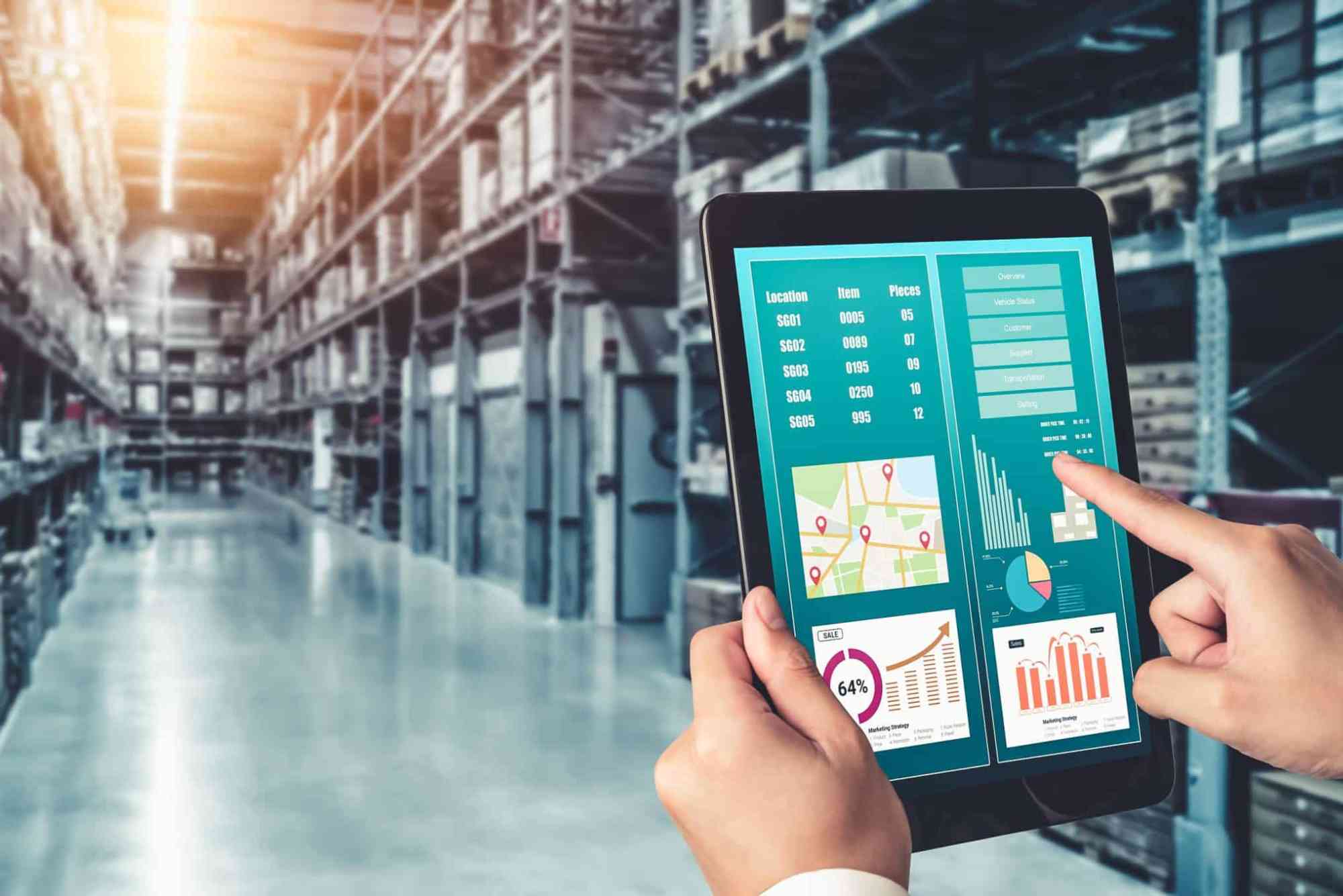
Introduction
In today’s fast-moving business environment, managing stock efficiently can make the difference between profit and loss. Whether you run a retail store, an e-commerce business, a warehouse, or a manufacturing unit, keeping track of inventory manually is no longer practical. This is where inventory management system software becomes essential.
Modern businesses rely on inventory management system software to track stock levels, automate reordering, reduce human errors, and improve supply chain visibility. Instead of guessing what is in stock, companies can now access real-time data with a few clicks.
This guide explains everything you need to know about inventory management system software, including how it works, key features, benefits, challenges, and how to choose the right solution for your business.
What is Inventory Management System Software?
An inventory management system software is a digital solution designed to monitor, control, and optimize inventory levels across business operations. It tracks products from procurement to storage to final sale.
Unlike traditional spreadsheets, inventory management system software provides real-time updates and automation. It ensures that businesses always know what is available, what is running low, and what needs to be reordered.
At its core, inventory management system software connects purchasing, sales, warehousing, and logistics into one centralized system, reducing inefficiencies and improving accuracy.

How Inventory Management System Software Works
The working process of inventory management system software is based on continuous tracking and automation.
When a product is purchased or manufactured, it is entered into the system. Every movement—whether it is sold, returned, or transferred—is updated instantly.
Most inventory management system software uses technologies like barcode scanning, RFID tags, and cloud databases to ensure real-time synchronization across departments. This means a business owner can check stock levels from anywhere at any time.
Additionally, the system can automatically generate alerts when stock falls below a defined threshold, ensuring timely reordering.
Key Features of Inventory Management System Software
A powerful inventory management system software comes with several essential features designed to streamline operations and improve accuracy.
Real-Time Inventory Tracking
One of the most important features of inventory management system software is real-time tracking. It allows businesses to monitor stock levels instantly, reducing the risk of overstocking or stockouts.
Barcode and RFID Integration
Most modern inventory management system software supports barcode scanning and RFID technology. This reduces manual entry errors and speeds up inventory handling processes.
Automated Reordering System
With inventory management system software, businesses can set automatic reorder points. When stock reaches a certain level, the system triggers purchase orders automatically.
Multi-Location Management
For businesses operating in multiple warehouses or stores, inventory management system software provides centralized control. It ensures consistency across all locations.
Reporting and Analytics
Advanced inventory management system software offers detailed reports on sales trends, stock movement, and product performance. These insights help businesses make informed decisions.
Benefits of Using Inventory Management System Software
Implementing inventory management system software offers several advantages for businesses of all sizes.
Improved Accuracy
Manual inventory tracking often leads to errors. Inventory management system software eliminates these mistakes by automating data entry and updates.
Cost Reduction
By avoiding overstocking and stockouts, businesses can significantly reduce storage and operational costs. Inventory management system software ensures optimal stock levels.
Better Customer Satisfaction
When products are always available, customers receive their orders on time. This improves trust and satisfaction.
Time Efficiency
Employees spend less time on manual counting and more time on strategic tasks. Inventory management system software automates repetitive processes.
Enhanced Decision Making
With accurate data and analytics, businesses can forecast demand more effectively using inventory management system software.
Types of Inventory Management System Software
Different businesses require different types of inventory management system software depending on their size and industry.
Cloud-Based Systems
Cloud-based inventory management system software is accessible from anywhere and does not require heavy IT infrastructure. It is ideal for small and medium businesses.
On-Premise Systems
On-premise inventory management system software is installed locally on company servers. It offers more control but requires maintenance.
ERP Integrated Systems
Enterprise Resource Planning (ERP) systems include inventory management system software as part of a larger business management suite. These are used by large enterprises.
Industries That Use Inventory Management System Software
The use of inventory management system software spans across multiple industries.
Retail businesses use it to manage product availability across stores. E-commerce companies rely on it to track online orders and warehouse stock. Manufacturing companies use it to manage raw materials and production output.
Healthcare providers also use inventory management system software to track medical supplies and ensure availability. Even logistics companies depend on it for warehouse optimization.
Challenges in Inventory Management Without Software
Businesses that do not use inventory management system software often face several challenges.
Manual tracking leads to human errors, misplaced data, and inaccurate reporting. Stock shortages can result in lost sales, while excess inventory increases storage costs.
Without inventory management system software, businesses struggle to maintain visibility across multiple locations, making operations inefficient and disorganized.
How to Choose the Right Inventory Management System Software
Selecting the right inventory management system software is crucial for business success.
The first step is to evaluate your business size and operational complexity. Small businesses may require simple tools, while large enterprises need advanced systems.
Scalability is another important factor. A good inventory management system software should grow with your business.
Integration capabilities are also essential. The system should connect with accounting, CRM, and sales platforms.
Finally, ease of use and customer support should be considered when choosing inventory management system software.
Future of Inventory Management System Software
The future of inventory management system software is being shaped by artificial intelligence, automation, and predictive analytics.
AI-powered systems can forecast demand more accurately, while automation reduces manual intervention. IoT devices and smart sensors are also being integrated into inventory management system software to provide real-time tracking at a deeper level.
As businesses continue to digitize, inventory management system software will become even more essential for operational efficiency and competitiveness.
How to be a good salesman: Being a good salesman requires strong communication, trust building, and understanding customer needs. Focus on active listening, clear product knowledge, and solving problems rather than pushing sales. Consistency, confidence, and follow-up help increase conversions and long-term client relationships by building trust, encouraging referrals, and ensuring customer growth
FAQs
What is inventory management system software used for?
It is used to track stock levels, manage orders, and optimize inventory across business operations in real time.
Is inventory management system software suitable for small businesses?
Yes, small businesses benefit greatly as it reduces manual work and improves accuracy.
Does inventory management system software work offline?
Some on-premise systems work offline, but most modern solutions are cloud-based and require internet access.
How much does inventory management system software cost?
Costs vary depending on features, users, and scale, ranging from affordable monthly subscriptions to enterprise solutions.
Can inventory management system software integrate with other tools?
Yes, most systems integrate with accounting, CRM, and e-commerce platforms for seamless operations.
Related Reading: Boss Or Leader
Related Reading: 8 PR Steps for Companies in Crisis: What to Do — full guide
Related Reading: What Is Accounts Payable — full guide
Related Reading: Self Evaluation for Performance Review Examples — full guide
Related Reading: Point Of Sale Systems — full guide