Introduction
Shivratri, especially Maha Shivratri, is a sacred festival celebrated with deep devotion across India and beyond. It marks the union of Lord Shiva and Goddess Parvati and is a day when devotees seek spiritual elevation through fasting, prayer, and meditation. One of the most common queries during this auspicious occasion is: Can we eat fruits in Shivratri fast?
This question stems from both a desire to honor the fast with purity and an understanding of how to maintain health during long hours of abstaining from regular meals. This article offers a comprehensive spiritual and nutritional guide, blending ancient wisdom with modern wellness insights to help you observe your Shivratri fast with clarity and devotion.
The Spiritual Purpose Behind Shivratri Fasting
Fasting during Shivratri is not just a ritual. It is a symbolic gesture of self-discipline, sacrifice, and surrender to Lord Shiva. It’s a way of purifying the mind and body while focusing on the divine. Traditionally, fasting on this day means avoiding tamasic foods (those that can cloud the mind) and favoring sattvic foods (pure, light, and spiritually uplifting).
The fast is also seen as a path to controlling desires and ego. By limiting physical indulgence—especially through food—devotees create space for spiritual connection, meditation, and chanting.
This context helps answer the core question—can we eat fruits in Shivratri fast? Yes, you can, as long as the fruits align with the sattvic diet, which is recommended during the fast.
Why Fruits Are Allowed During the Shivratri Fast
Fruits are considered sattvic in nature. They are natural, unprocessed, and light on digestion, which makes them suitable for fasting days. According to Ayurveda and yogic traditions, fruits help maintain energy without burdening the digestive system.

They also offer a practical benefit: they prevent fatigue, dehydration, and headaches, especially during long fasts. Since Shivratri fast can extend up to 24 hours, having fruits at intervals helps maintain stamina and alertness, which are essential for meditation and night-long jagrans (prayer vigils).
So when people ask, can we eat fruits in Shivratri fast, the answer is not only yes—it’s recommended. But it’s essential to choose the right fruits and consume them mindfully.
What Fruits Can You Eat During the Shivratri Fast
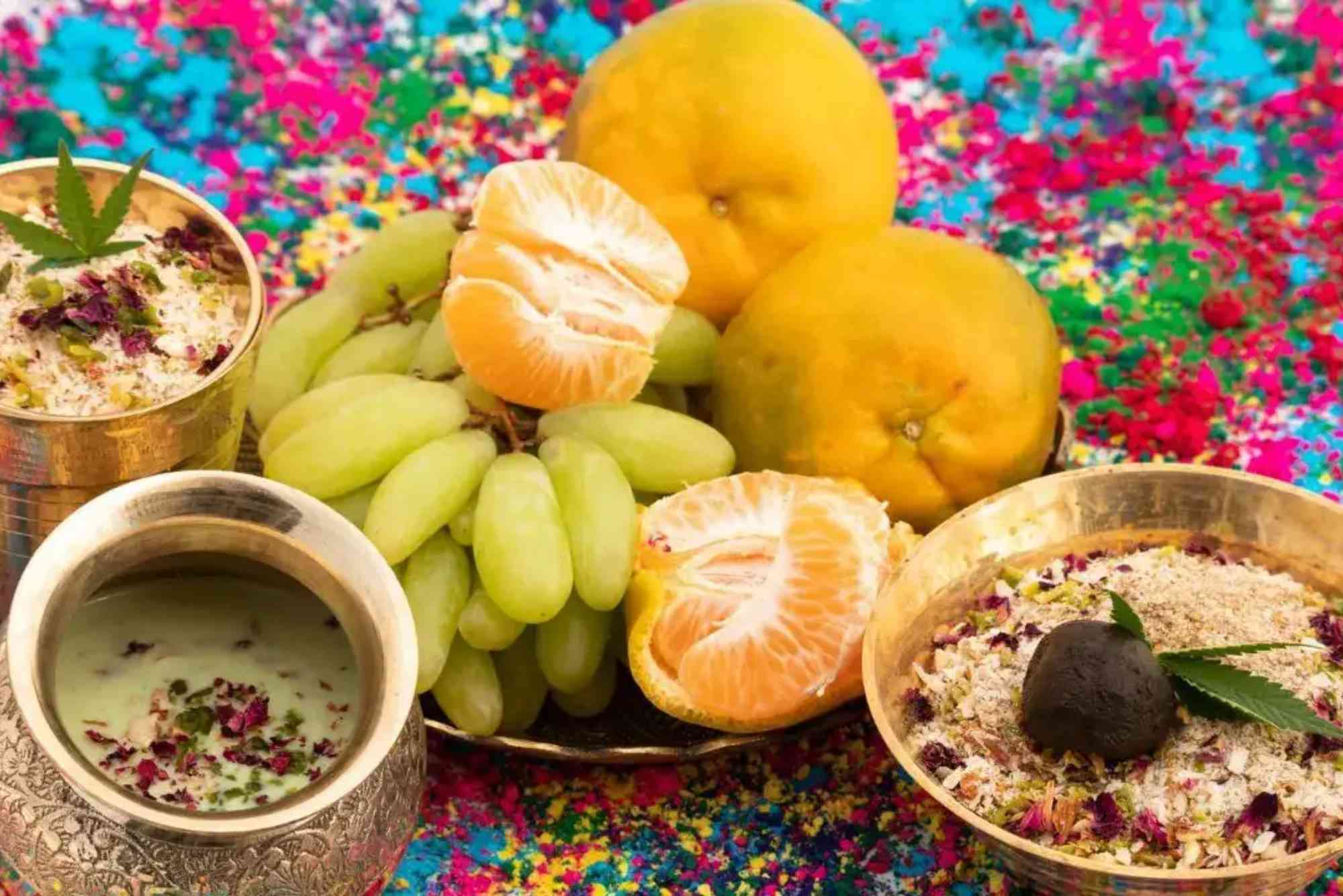
While all fresh fruits are technically allowed, devotees often prefer specific ones for both tradition and health reasons. Apples, bananas, papayas, oranges, pomegranates, guavas, and grapes are common choices. These fruits are high in water content, provide quick energy, and are easy on the stomach.
Dry fruits such as dates, raisins, almonds, and cashews are also consumed during the Shivratri fast, though in moderation. They are nutrient-rich and help maintain blood sugar levels, especially if you’re skipping cooked food entirely.
Fruits like watermelon and muskmelon are ideal during the summer Shivratri, offering hydration and cooling effects.
When and How to Eat Fruits on Shivratri
Devotees can choose to eat fruits once or multiple times throughout the day, depending on the type of fast observed. There are typically three types of Shivratri fasting:
- Nirjala Vrat – complete fast without food or water, typically observed by the most devout
- Phalahar Vrat – consuming only fruits, water, and milk
- Light Vrat – includes fruits, milk, vrat-friendly grains like rajgira or singhara
If you are observing a Phalahar Vrat, then consuming fruits two or three times a day is acceptable. You may start the day with fruits and milk, and repeat the same in the evening. It is best to avoid adding salt, spices, or processed sugar. Stick to natural combinations and fresh offerings.
Bananas and apples work great for breakfast or after evening aarti. Pomegranate juice or orange slices are refreshing options during the afternoon. Dry fruits like almonds and walnuts can be soaked and consumed if needed for energy.
Nutritional Benefits of Eating Fruits in Fasts
Fasting is meant to detox the body. Fruits enhance this process naturally. They are rich in antioxidants, fiber, and essential vitamins, which aid digestion and support the body’s metabolism during the fasting period.
Bananas provide potassium and energy, which prevent dizziness and weakness. Apples offer fiber and vitamin C, aiding detoxification. Pomegranates and grapes support hydration and blood purification. Dates offer natural sugars for energy without causing a spike in blood glucose levels.
So when asking can we eat fruits in Shivratri fast, know that fruits not only align with spiritual purity but also serve as a nutritional powerhouse that sustains your energy, focus, and devotion throughout the day.
Things to Avoid with Fruits During the Shivratri Fast
While fruits are allowed, not all fruit-based preparations are appropriate. Here are a few things to avoid:
- Avoid adding table salt to fruit salads. Instead, use sendha namak (rock salt), which is vrat-friendly.
- Avoid processed or canned fruits, as they may contain preservatives, sugar, or artificial flavors.
- Avoid fruit juices with added sugar—freshly extracted juice is always best.
- Avoid overconsumption, especially of high-sugar fruits like mangoes and dates, if you have health conditions such as diabetes.
Mindful eating during a fast preserves its spiritual sanctity and health benefits. Overeating—even of fruits—can lead to lethargy, which defeats the purpose of fasting.
Ayurvedic Perspective on Fruits in Fasting
According to Ayurveda, fasting should balance all three doshas—Vata, Pitta, and Kapha. Fruits have different effects on each dosha. Bananas may aggravate Kapha but pacify Pitta. Pomegranates and apples balance all three doshas.
Thus, during Shivratri, selecting fruits that align with your individual constitution can deepen the fast’s benefit. Always chew fruits properly, consume them fresh, and avoid mixing fruits with dairy if digestion is weak.
Regional Variations in Shivratri Fasting Practices
Fasting customs during Shivratri can vary across regions in India. In North India, people commonly consume kuttu or singhara flour preparations along with fruits and milk. In South India, some devotees observe a complete fast and break it only after night rituals.
In Maharashtra and Gujarat, fruits play a central role in Shivratri fasting, with offerings made during puja and then consumed. In Nepal, fasting with fruits and tulsi water is widely practiced.
These regional practices reflect the adaptability of the Shivratri vrat and reinforce that yes, you can eat fruits in Shivratri fast, as long as it aligns with your spiritual intention and local customs.
FAQs
Can we eat fruits during Shivratri fast?
Yes, you can eat fruits during the Shivratri fast, especially if you are following a Phalahar vrat. Fruits are sattvic and help maintain energy levels.
Which fruits are best for Shivratri fasting?
Bananas, apples, papayas, pomegranates, and grapes are commonly consumed. Dry fruits like almonds and dates are also good options.
Can we drink fruit juice during Shivratri fast?
Yes, fresh fruit juices without added sugar or salt are allowed. Avoid canned or packaged juices.
Can we add salt to fruit salads in the fast?
Only sendha namak (rock salt) is permitted during the fast. Table salt should be avoided.
Is it okay to eat fruits multiple times Shivratri fast?
Yes, but they should stick to low-glycemic fruits like apples, guavas, and berries. Consult a doctor for a personalized plan.
Shivratri is more than just an occasion to fast—it is a sacred opportunity to reset your mind, body, and spirit. Choosing to include fruits in your fast is both spiritually acceptable and nutritionally wise.
By selecting the right fruits, eating them in moderation, and avoiding processed foods or additives, you can maintain the purity of the vrat while ensuring your body remains energized and healthy.
So the next time someone asks, can we eat fruits in Shivratri fast, you can answer with confidence: yes, and here’s how to do it meaningfully.