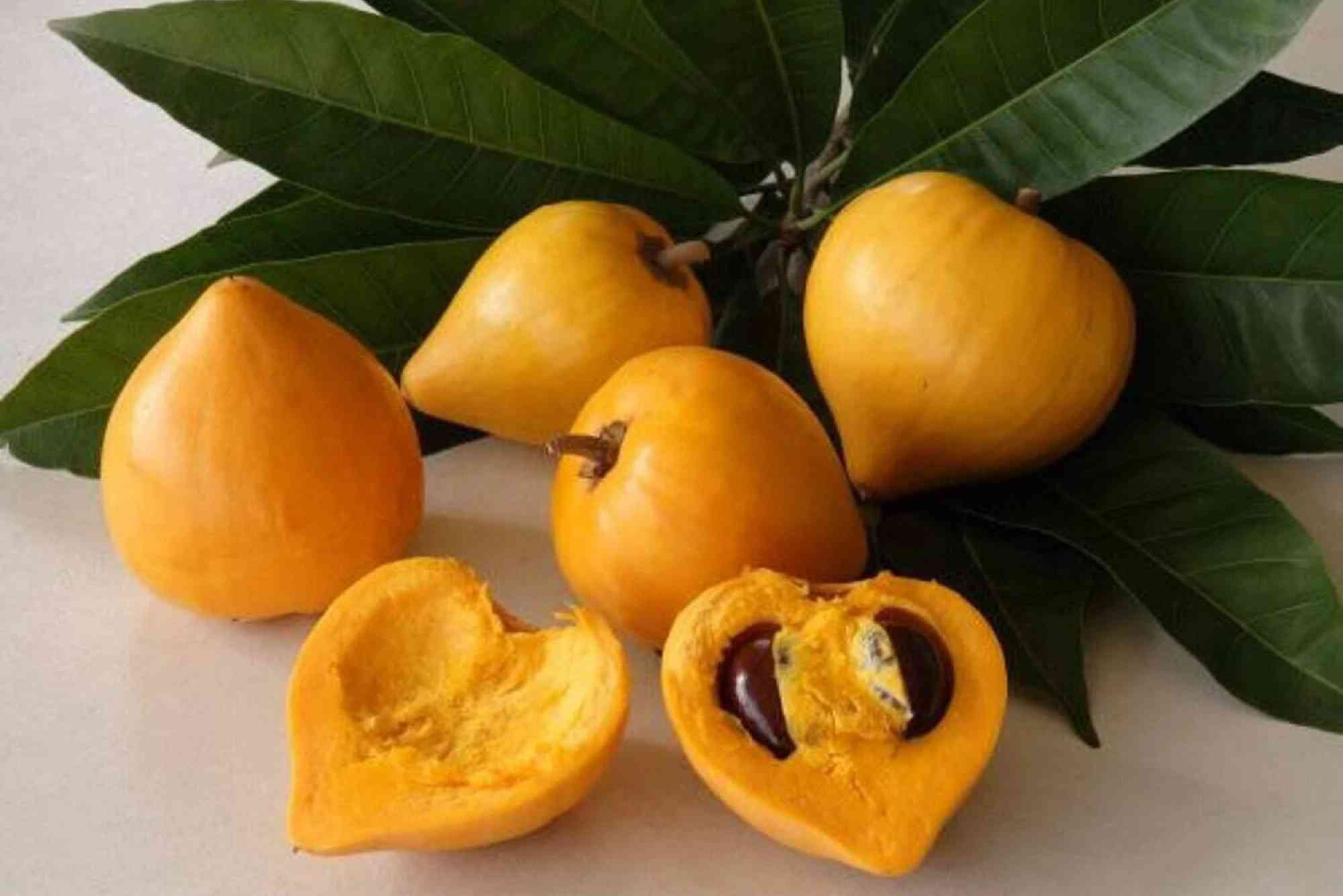
Canistel Fruit in Tagalog: Benefits and How to Eat It
The Canistel fruit, known in Tagalog as “Chesa”, is a golden-yellow fruit native to Central America and widely grown in tropical countries like the Philippines. Often referred to as the “eggfruit” because of its soft, custard-like texture that resembles the yolk of a hard-boiled egg, Canistel is both unique and nutritious. In the Philippines, it may not be as popular as mangoes or bananas, but it’s slowly gaining recognition for its nutritional value and culinary versatility. This article explores the benefits of Canistel fruit in Tagalog, its health advantages, and the best ways to enjoy it in your daily diet.
What Is Canistel Fruit in Tagalog?
In the Filipino language, Canistel is commonly called Chesa. Some regions also refer to it as “Tiessa” or “Atiesa.” The fruit grows on a small to medium-sized tree, with a leathery yellow skin when ripe. The inner flesh is soft, dense, and often compared to mashed sweet potato in texture. Because of its naturally sweet and mildly earthy taste, many Filipinos eat it fresh or use it in milkshakes, jams, or desserts.
Nutritional Profile of Canistel (Chesa)
Canistel is packed with nutrients, including dietary fiber, beta-carotene, vitamin A, vitamin C, and essential minerals like calcium and phosphorus. Its dense texture comes from its high starch and carbohydrate content, making it an excellent source of energy. One serving of Canistel can contribute significantly to your daily vitamin A requirement, which is vital for eye health and immune support.
High in Vitamin A
Canistel is especially rich in beta-carotene, which converts to vitamin A in the body. Vitamin A supports healthy vision, cell growth, and a robust immune system. In the Tagalog-speaking regions, Chesa is often given to children to improve eyesight and boost nutrition naturally.
Rich in Antioxidants
The vibrant yellow-orange flesh indicates a high level of antioxidants. These compounds protect the body against oxidative stress and inflammation, which are linked to chronic diseases like heart disease and cancer.
Excellent Source of Energy
Canistel is naturally high in carbohydrates and sugar, making it ideal for people who need an energy boost. It’s a great post-workout snack or an excellent addition to a breakfast smoothie.

Health Benefits of Canistel Fruit in Tagalog Culture
In Tagalog communities, Chesa has been used in traditional health remedies and is appreciated for more than just its taste Canistel Fruit In Tagalog . Here are some of its known health benefits:
Promotes Good Vision
Due to its high vitamin A content, Canistel supports eye health. It can help prevent night blindness and age-related vision problems.
Aids in Digestion
Chesa contains dietary fiber, which promotes regular bowel movements and supports a healthy digestive tract. Eating it regularly may help prevent constipation, especially when eaten with other fibrous fruits.
Supports Bone Health
With essential minerals like calcium and phosphorus, Canistel contributes to stronger bones and teeth. These minerals are vital for growing children and older adults susceptible to osteoporosis.
Boosts Immunity
Thanks to its vitamin C and beta-carotene, the fruit helps strengthen the immune system, protecting against infections and common colds.
Promotes Skin Health
The antioxidants in Canistel help keep your skin glowing and youthful. In some Filipino households, mashed Chesa is even applied topically as a natural face mask to moisturize and refresh the skin.
How to Eat Canistel Fruit (Chesa)
Chesa is best eaten when fully ripe. The unripe fruit is chalky and dry, which can be unpleasant. A ripe Canistel has a soft texture and a bright yellow-orange color. Here’s how you can enjoy it:
Eating It Fresh
Simply cut the fruit in half, remove the seeds, and scoop out the flesh. It can be eaten as is or sprinkled with a bit of salt or sugar to enhance its flavor.
Adding It to Smoothies
Due to its thick and creamy texture, Chesa blends beautifully into milkshakes and smoothies. Combine it with milk, ice, and a bit of honey for a delicious and filling drink.
Making Chesa Ice Cream
In some parts of the Philippines, Canistel is used to make homemade ice cream. The creamy flesh serves as a natural thickener and adds a rich taste.
Chesa in Baked Goods
You can mash the fruit and use it in baking as a replacement for pumpkin or banana. It adds moisture, sweetness, and a vibrant color to cakes, muffins, or bread.
Jam and Dessert Toppings
Chesa pulp can be boiled down into a sweet jam or puree and used as a topping for pancakes, waffles, or toast.
Where to Find Canistel Fruit in the Philippines
Canistel is grown in various provinces, including Batangas, Laguna, and Quezon. It is usually available in local markets during its peak season, which runs from October to March. You can also find it in backyard gardens, especially in rural Tagalog communities where traditional fruits are still part of daily life. Some online fruit sellers and organic markets in Metro Manila may also stock Chesa during harvest season.
Tips for Buying and Storing Chesa
When buying Canistel, look for fruits with unblemished skin and a slight give when pressed. Avoid those with cracks or signs of decay. Store unripe fruits at room temperature until they soften. Once ripe, Canistel can be refrigerated for up to three days or frozen for future use in smoothies and desserts.
Cultural Significance of Canistel in Tagalog Homes
While not as commercialized as other tropical fruits, Canistel holds a special place in the culinary traditions of older generations. In many Tagalog-speaking homes, the fruit is considered a nostalgic reminder of provincial life. Children who grew up in the countryside often remember picking Chesa from backyard trees and sharing it with family. With a growing interest in local and organic produce, there’s renewed appreciation for this humble fruit.
Sustainability and Home Gardening
Chesa trees are relatively low-maintenance and drought-tolerant, making them ideal for backyard planting. Promoting the cultivation of native fruits like Canistel not only supports biodiversity but also encourages healthier eating habits. Many agricultural programs in Tagalog regions are now encouraging the planting of underutilized fruits as a way to enhance food security and promote sustainable farming.
FAQs
What is the Canistel fruit called in the Philippines?
Canistel fruit is called “Chesa” in Tagalog. It’s also referred to as “Tiessa” or “Atiesa” in some regions.
Is Canistel fruit healthy?
Yes, Canistel is very healthy. It is rich in vitamin A, fiber, and antioxidants that support vision, digestion, and immunity.
How do you know when Chesa is ripe?
A ripe Chesa will be soft to the touch and bright yellow-orange in color. It should have a slight give when pressed gently.
Can you eat Chesa raw?
Yes, Chesa can be eaten raw when fully ripe. Just cut it open and scoop out the flesh. Some people also sprinkle a bit of salt or sugar on it.
What does Canistel taste like?
Canistel tastes like sweet potato or pumpkin. It has a creamy, custard-like texture with a mildly sweet, earthy flavor.
Is Chesa available all year round in the Philippines?
No, Chesa is seasonal. It is typically available from October to March in local markets and gardens.
Canistel fruit, or Chesa in Tagalog, is a hidden gem of the Philippines’ tropical bounty. Rich in nutrients, easy to prepare, and versatile in the kitchen, it deserves a place in every Filipino diet. As awareness grows about the importance of native fruits, Chesa is making a comeback not just as a traditional snack, but as a nutritious powerhouse. Whether you enjoy it fresh, blended, or baked, this golden fruit offers health benefits that are hard to ignore.