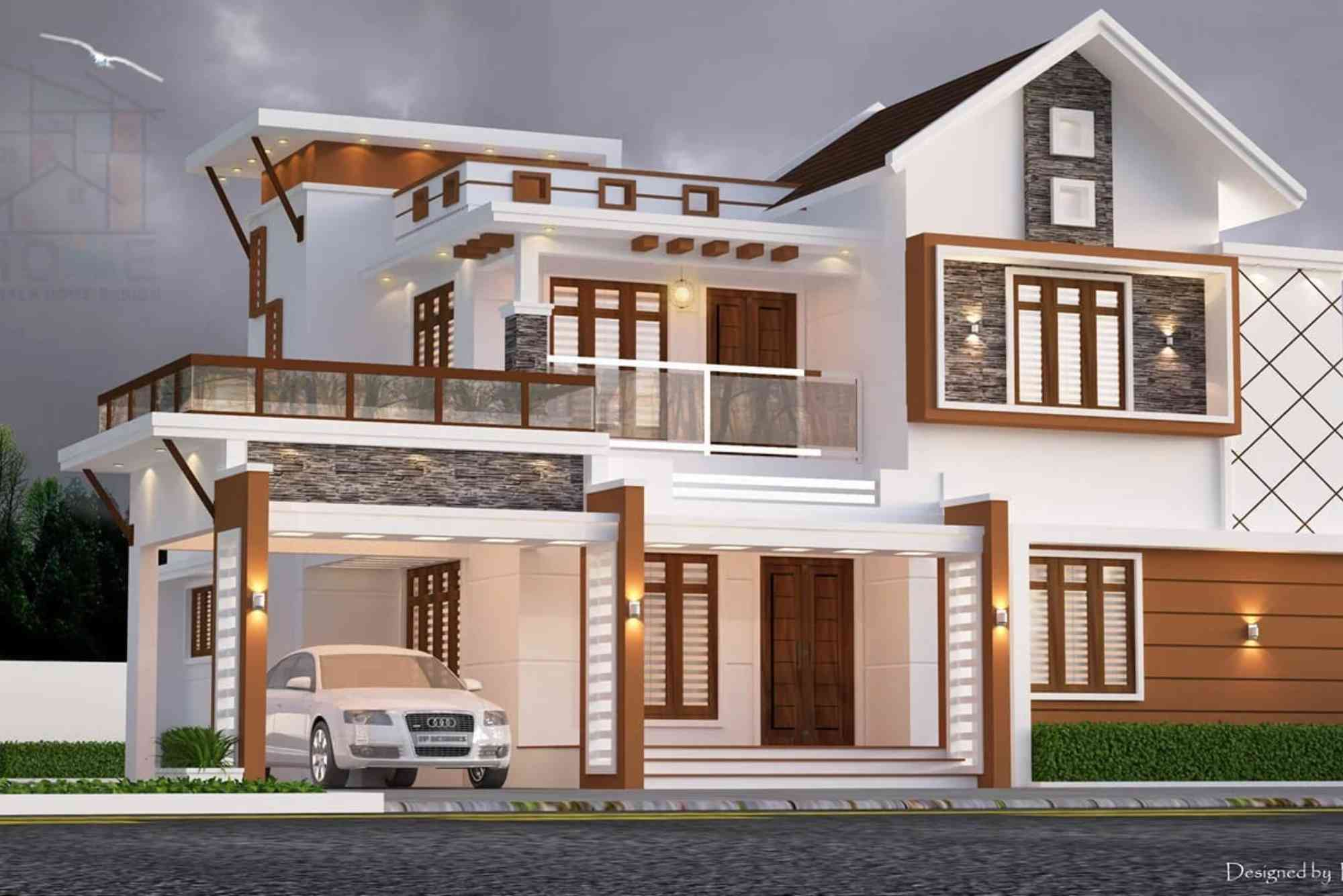
Double Floor Home Design – Maximizing Vertical Space in Smaller Lots
Designing a home in today’s urban world often means making the most of limited space. This is where double floor home design comes in — a perfect solution that blends functionality, aesthetics, and modern living. By building upwards instead of outwards, homeowners can enjoy spacious interiors, privacy, and luxurious amenities even on smaller plots of land. Whether you’re planning a new build or renovating an existing home, understanding the principles of double floor home design can help you create a stylish and space-efficient residence.
Understanding the Concept of Double Floor Home Design
A double floor home design, also known as a two-storey or duplex home, involves stacking two floors vertically. The layout typically includes communal spaces like the living room, dining area, and kitchen on the ground floor, while private areas such as bedrooms and bathrooms occupy the upper floor. This design approach not only saves horizontal space but also enhances the home’s architectural appeal.
Modern families prefer double floor designs because they allow better zoning, where each family member enjoys a degree of independence without compromising togetherness. Additionally, such homes can accommodate gardens, parking spaces, or small outdoor areas even on compact plots, making them ideal for urban environments.
The Benefits of Choosing a Double Floor Home Design
Opting for a double floor home design offers multiple advantages that go beyond aesthetics. Firstly, it maximizes vertical space, allowing homeowners to make the most of smaller lots. Secondly, it provides natural separation between public and private zones. The ground floor becomes the social hub for gatherings, while the upper level offers peaceful retreats.
Another benefit is enhanced ventilation and light distribution. By elevating certain spaces, designers can incorporate larger windows, balconies, and skylights that improve airflow and natural lighting. This not only reduces energy consumption but also creates a brighter, more welcoming ambiance.
From a financial standpoint, building vertically can be more cost-effective than purchasing additional land. Homeowners can also enjoy better resale value, as double floor homes are often perceived as more luxurious and functional.

Key Elements of a Successful Double Floor Home Design
Efficient Space Planning
The success of a double floor home design begins with smart space planning. Designers must ensure that every square foot serves a purpose. The ground floor should balance social interaction and utility, often featuring an open-plan layout that combines the kitchen, dining, and living areas. Meanwhile, the upper floor should prioritize privacy and relaxation, with bedrooms, bathrooms, and sometimes a study or family lounge.
Functional Zoning
Functional zoning ensures that spaces are organized logically. For example, placing the kitchen near the dining area minimizes movement, while positioning the guest room near the entrance offers convenience. The staircase should also be centrally located for easy access without dominating the design.
Natural Light and Ventilation
In smaller lots, ensuring adequate natural light and ventilation is crucial. Designers often include large windows, skylights, or internal courtyards to bring in fresh air and daylight. Double-height ceilings and glass partitions further enhance openness, creating a sense of spaciousness despite limited square footage.
Stylish Staircase Design
The staircase is more than a connector between floors; it’s a key design element. In modern double floor homes, staircases can act as architectural statements — whether they’re floating stairs, spiral designs, or classic wooden structures with sleek railings. Designers often use them to add visual interest while maintaining functionality.
Balcony and Terrace Utilization
Balconies and terraces are integral to maximizing vertical space. They provide outdoor extensions for relaxation, gardening, or even small social gatherings. A well-designed terrace can serve as a rooftop lounge, adding lifestyle value and connecting residents with nature.
Design Styles That Suit Double Floor Homes
Modern Minimalist Design
Minimalism focuses on simplicity, clean lines, and functional beauty. A modern minimalist double floor home design uses neutral colors, glass panels, and open layouts to create a spacious atmosphere. Built-in storage helps keep interiors uncluttered, making the home appear larger.
Contemporary Luxury Design
Contemporary double floor homes emphasize comfort and sophistication. They combine modern architecture with luxurious materials such as marble, metal, and wood. Features like large windows, stylish lighting, and open terraces define this style, creating a sense of grandeur even on compact plots.
Traditional and Heritage Designs
For those who prefer cultural authenticity, traditional styles can be beautifully adapted to double floor layouts. These designs often feature ornate facades, courtyards, and decorative elements inspired by local architecture. Combining heritage aesthetics with modern amenities results in timeless appeal.
Eco-Friendly and Sustainable Design
Sustainability is becoming a major trend in double floor home design. Homeowners are opting for eco-friendly materials, rainwater harvesting systems, and solar panels. Green roofs and vertical gardens are popular features that improve insulation while promoting an environmentally conscious lifestyle.
How to Maximize Vertical Space in Smaller Lots
Optimize Vertical Storage
Built-in shelves, wall-mounted units, and lofted storage areas help keep the ground clear and maximize floor area. Custom furniture designed for compact spaces can make a big difference in usability.
Multi-Functional Furniture
In smaller double floor homes, furniture that serves multiple purposes — such as sofa beds, foldable dining tables, or hidden storage benches — contributes to both comfort and functionality.
High Ceilings and Vertical Décor
Using high ceilings creates a visual illusion of space. Adding vertical décor elements like tall curtains, slender mirrors, or vertical wall gardens emphasizes the home’s height, making it feel more open and luxurious.
Smart Staircase Integration
Under-stair storage is a clever way to utilize unused areas. Some homeowners even incorporate reading nooks, mini workspaces, or display shelves under the stairs, blending creativity with practicality.
Open-Plan Layouts
An open-plan ground floor reduces walls and partitions, creating a seamless flow between rooms. This not only enhances the visual space but also encourages family interaction and flexibility in furniture arrangement.
Interior Design Tips for Double Floor Homes
Interior design plays a major role in bringing double floor home designs to life. Neutral color palettes with occasional bold accents can make spaces feel airy. Lighting is equally important — layered lighting with ambient, task, and accent lights adds depth and dimension.
Mirrors, glass doors, and transparent partitions can visually expand spaces. Using consistent materials and textures across both floors ensures harmony and continuity. When decorating, maintain a balance between aesthetics and practicality. Every item should contribute to comfort, beauty, or storage efficiency.
Challenges and How to Overcome Them
While double floor home designs offer numerous benefits, they also come with challenges. Staircase placement and safety, structural integrity, and plumbing coordination between floors require careful planning.
To overcome these challenges, work with experienced architects and structural engineers. Use high-quality materials that support the vertical load. Consider accessibility — adding wide staircases or even provisions for future lifts ensures long-term comfort for all residents. Soundproofing between floors is another essential aspect, as it prevents noise transfer and enhances privacy.
Cost Considerations in Double Floor Home Design
The cost of constructing a double floor home depends on several factors, including the plot size, design complexity, and materials used. However, compared to expanding horizontally, vertical building is often more affordable and offers higher returns on investment.
Energy-efficient materials, solar panels, and water-saving fixtures may increase upfront costs but lead to significant savings over time. Working with professionals who understand budget optimization can help you achieve a luxurious look without overspending.
A double floor home design is the ultimate solution for modern homeowners who want to balance space efficiency with aesthetic beauty. By building vertically, you can enjoy the best of both worlds — ample living space and stylish architecture, even on a small lot. With careful planning, creative design, and professional execution, a double floor home can reflect your lifestyle, personality, and long-term aspirations.
FAQs
What is the best layout for a double floor home?
The best layout balances functionality and flow. The ground floor should host common spaces like the kitchen, living, and dining areas, while the upper floor accommodates bedrooms and private zones.
Are double floor homes energy efficient?
Yes, especially when designed with proper ventilation, insulation, and natural lighting. Energy-efficient materials and solar systems further reduce utility costs.
Can I build a double floor home on a small plot?
Absolutely. Double floor home designs are ideal for smaller lots because they maximize vertical space, allowing you to enjoy more room without expanding horizontally.
What are the key design considerations for a double floor home?
Prioritize staircase placement, light flow, privacy zoning, and efficient use of space. Collaborate with architects who specialize in vertical layouts.
Do double floor homes cost more than single floor homes?
While the construction cost is slightly higher, the overall value, functionality, and space benefits often outweigh the expense.
Related Reading: Granite Flooring Design for Home
Related Reading: Floor Plan Mall of the Emirates Map