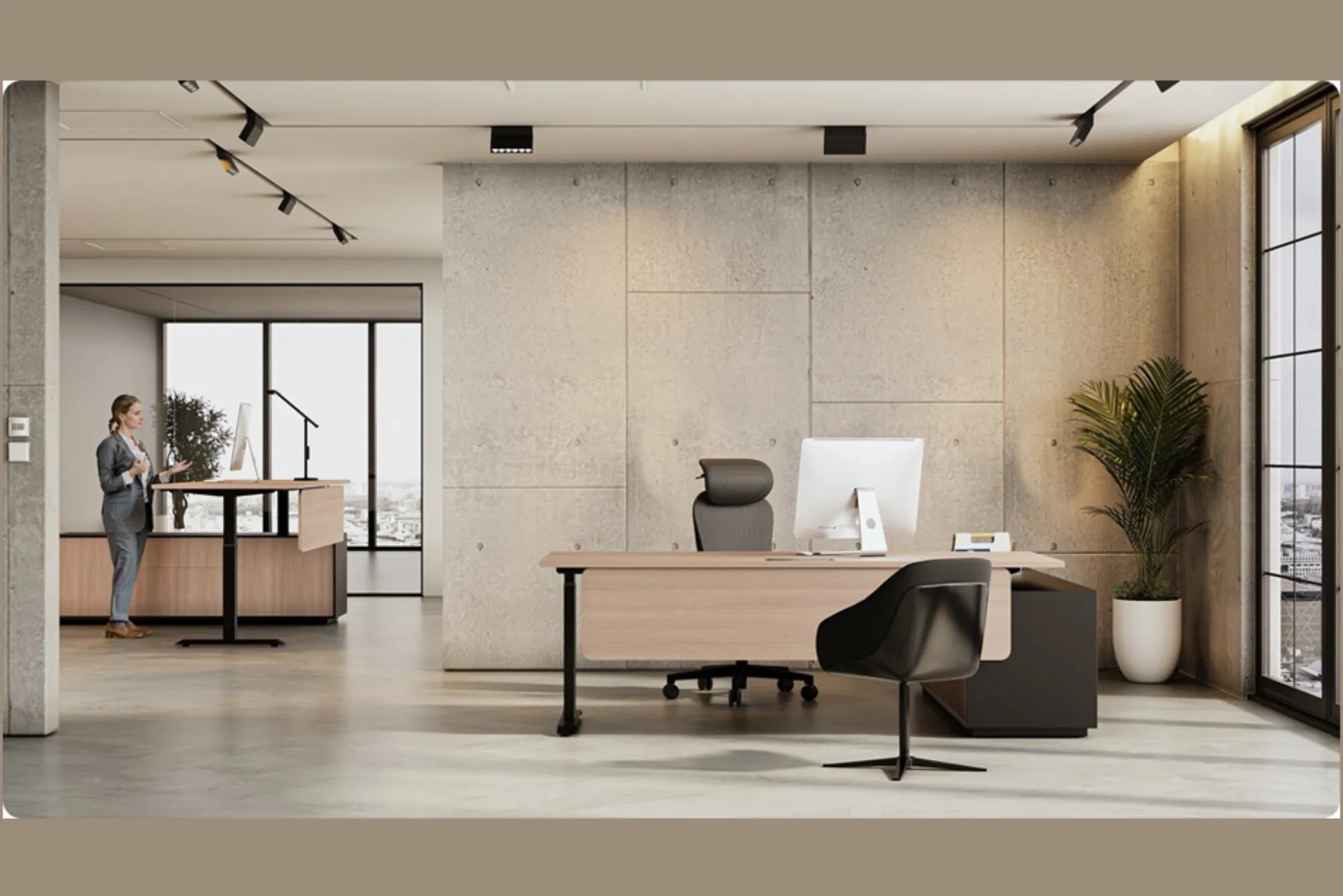
The search for the perfect height adjustable desks requires careful consideration of several important factors that affect both daily use and long-term satisfaction. Selecting the right standing desk involves more than just choosing a height-adjustable surface; it demands an understanding of how this furniture piece will integrate into your existing workspace and workflow. The ideal standing desk should provide seamless transitions between sitting and standing while accommodating all your work tools comfortably. Making an informed choice ensures you gain all the health and productivity benefits without compromising on functionality or aesthetics.
Understanding Different Types of Standing Desks
The market offers several variations of standing desks, each with distinct mechanisms and benefits. Electric standing desks operate using quiet motors that allow for smooth height adjustments at the touch of a button, making them ideal for frequent position changes throughout the day. Manual crank models offer a more budget-friendly alternative, though they require physical effort to adjust. For those with limited space or budget constraints, desktop converters provide a practical solution that sits directly on top of an existing traditional desk, though they offer less surface area than full standing desks.
Key considerations when choosing between desk types include:
Electric models provide the greatest convenience with programmable height settings that remember your preferred positions for both sitting and standing work sessions.
Crank-operated desks offer reliable performance without electrical components, representing a durable choice for environments where simplicity is valued over high-tech features.
Desktop converters serve as an accessible entry point into standing desk benefits, though they work best when paired with a sturdy and deep existing work surface for stability.

Key Features to Evaluate Before Purchase
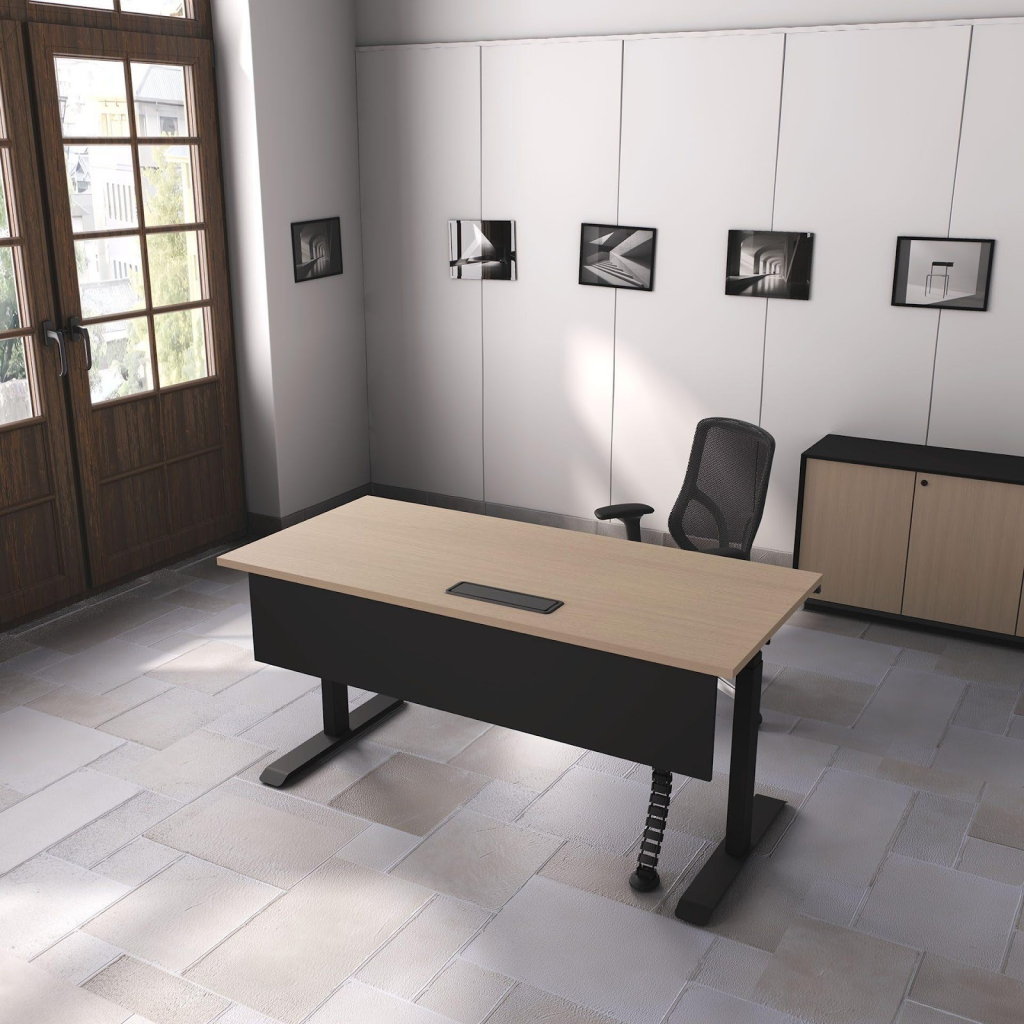
Several technical and design elements separate exceptional standing desks from mediocre ones. The lifting capacity determines how much weight the desk can safely support, which is crucial if you use multiple monitors, docking stations, or other heavy equipment. The range of height adjustment ensures the desk can accommodate users of different statures, while the stability of the desk at its maximum height prevents annoying wobble during use. Noise level during operation matters in open office environments, and control panel features like programmable memory presets enhance daily convenience.
Essential features to prioritize include:
A robust lifting mechanism that smoothly handles your specific computer setup weight while maintaining stability and quiet operation throughout adjustment cycles.
Sufficient height adjustment range to comfortably accommodate both sitting and standing positions for all potential users, typically between 22 inches and 48 inches.
User-friendly controls with memory presets that allow instant transition between preferred heights for different tasks or multiple users sharing the same workspace.
Assessing Your Workspace and Needs
Before selecting a standing desk, carefully evaluate your available space, existing furniture, and work requirements. Measure your floor space to ensure the desk will fit comfortably while allowing adequate room for movement and additional furniture. Consider how the standing desk will coordinate with your current executive desk if you’re incorporating it into an existing office layout. Your typical daily tasks also influence the ideal desk configuration—those working with multiple monitors need more surface width, while writers might prioritize depth for document placement.
Important spatial and functional considerations involve:
Accurate measurement of your available floor space, accounting for door swings, traffic patterns, and proximity to electrical outlets for powering the desk mechanism.
Assessment of your technology requirements, including the number of monitors, peripheral devices, and cable management needs to maintain an organized workspace.
Evaluation of how the standing desk will complement your existing executive desk, particularly if you’re creating a dual-workstation setup for different task types.
The Relationship Between Standing Desk and Executive Desk
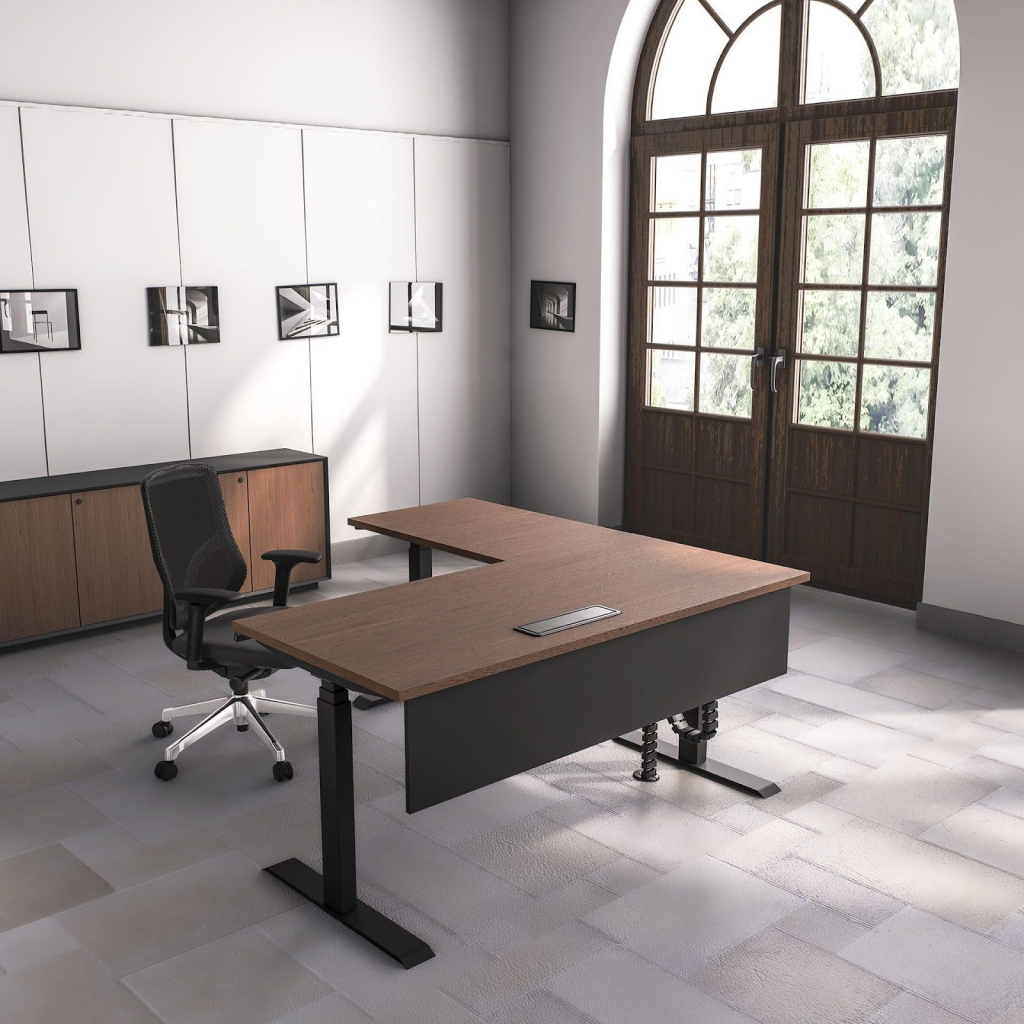
Many professionals find value in maintaining both a standing desk and a traditional executive desk within their workspace. The executive desk often serves as a formal area for meetings, paperwork, and traditional seated work, while the standing desk becomes the primary station for computer-based tasks. This combination allows for natural movement throughout the day as you transition between different work modes. Some offices position these pieces facing each other or in an L-shaped configuration to create distinct work zones while maintaining a cohesive aesthetic.
Benefits of combining both desk types include:
- Creating dedicated zones for different work modes, with the executive desk handling formal tasks and the standing desk serving for focused computer work and creative thinking.
- Facilitating natural movement breaks as you transition between workstations, which helps reduce fatigue and maintains energy levels throughout the workday.
- Providing adequate surface area for all work tools and reference materials while keeping each workstation organized and dedicated to specific functions.
Conclusion
Choosing the right standing desk requires balancing multiple considerations including type, features, space constraints, and aesthetic preferences. When selected carefully, a quality standing desk becomes an invaluable tool for enhancing both physical health and work performance. For those seeking guidance through this selection process, Urban 411 offers expert consultation and premium standing desk solutions designed to integrate seamlessly with traditional executive desks. This thoughtful approach to workspace design creates an environment that supports productivity, comfort, and well-being through intelligent furniture choices.
Related Reading: 8 PR Steps for Companies in Crisis: What to Do
Related Reading: What Is Accounts Payable — full guide
Related Reading: Boss Or Leader — full guide
Related Reading: Point Of Sale Systems
Related Reading: How To Be A Good Salesman — full guide
Related Reading: Disciplinary Action Against Employee — full guide
Related Reading: Inventory Management System Software — full guide