Introduction
Living in the United United Arab Emirates means experiencing intense climate conditions throughout the year, with sandstorms and severe dust events hitting the region regularly. These powerful dust storms carry microscopic silica particles, environmental debris, mold spores, and harsh desert pollutants across large distances. Airborne particles pose serious health threats to domestic animals because pets inhale fine dust deeply into their delicate airways during routine activities.
Breathing in heavy sandstorm dust triggers immediate respiratory distress in pets while causing long-term pulmonary inflammation and aggravating underlying health conditions. Dog and cat lungs lack specialized natural filtration for high dust concentrations, making proactive pet care strategies essential during sandstorm season. Understanding how to shield your furry family members indoors and outdoors prevents acute breathing complications and protects their lifelong health.
Understanding the Risks of Dust and Sandstorms for UAE Pets
UAE sandstorms carry microscopic particulate matter known as PM2.5 and PM10, which bypass the natural physical barriers in a pet’s nasal passages. Once inhaled, these microscopic sharp particles travel down into bronchial tubes and alveoli, triggering tissue irritation and localized cell damage. The toxic blend of desert dust and urban pollution severely taxes an animal’s immune and respiratory systems.
Brachycephalic breeds such as French Bulldogs, Pugs, Boxers, and Persian cats face the highest risks because their compressed upper airways limit efficient airflow and natural filtration. Senior pets, young puppies, kittens, and animals with pre-existing asthma also experience severe reactions. Exposure to heavy sandstorm dust can trigger acute respiratory distress syndrome, chronic bronchitis, and secondary bacterial infections if proper precautions are ignored.
Recognizing Respiratory Distress Symptoms in Dogs and Cats
Early detection of respiratory trouble saves lives during severe sandstorm events, requiring pet owners to monitor their animals closely whenever outdoor dust levels rise. Signs of respiratory stress can appear immediately during a storm or develop several hours after exposure. Paying close attention to subtle behavioral shifts helps you identify breathing problems before severe complications escalate.
Common signs of respiratory distress include continuous dry coughing, wheezing, rapid shallow breathing at rest, excessive sneezing, and nasal discharge. Cats often hide their discomfort until breathing becomes extremely difficult, making open-mouth panting a critical medical emergency. Dogs may stretch their necks or sit with elbows pointed outward to expand their chest cavity, signaling an urgent need for veterinary attention.
Indoor Air Quality Setup and Home Protection Measures
Securing your home environment forms your primary defense during UAE dust storms, as fine desert dust easily seeps through tiny gaps around doors and windows. Closing double-glazed windows tightly and installing weather stripping along door bases prevents ground-level dust from blowing inside. Creating a sealed indoor sanctuary keeps ambient dust levels low and protects sensitive pet lungs.
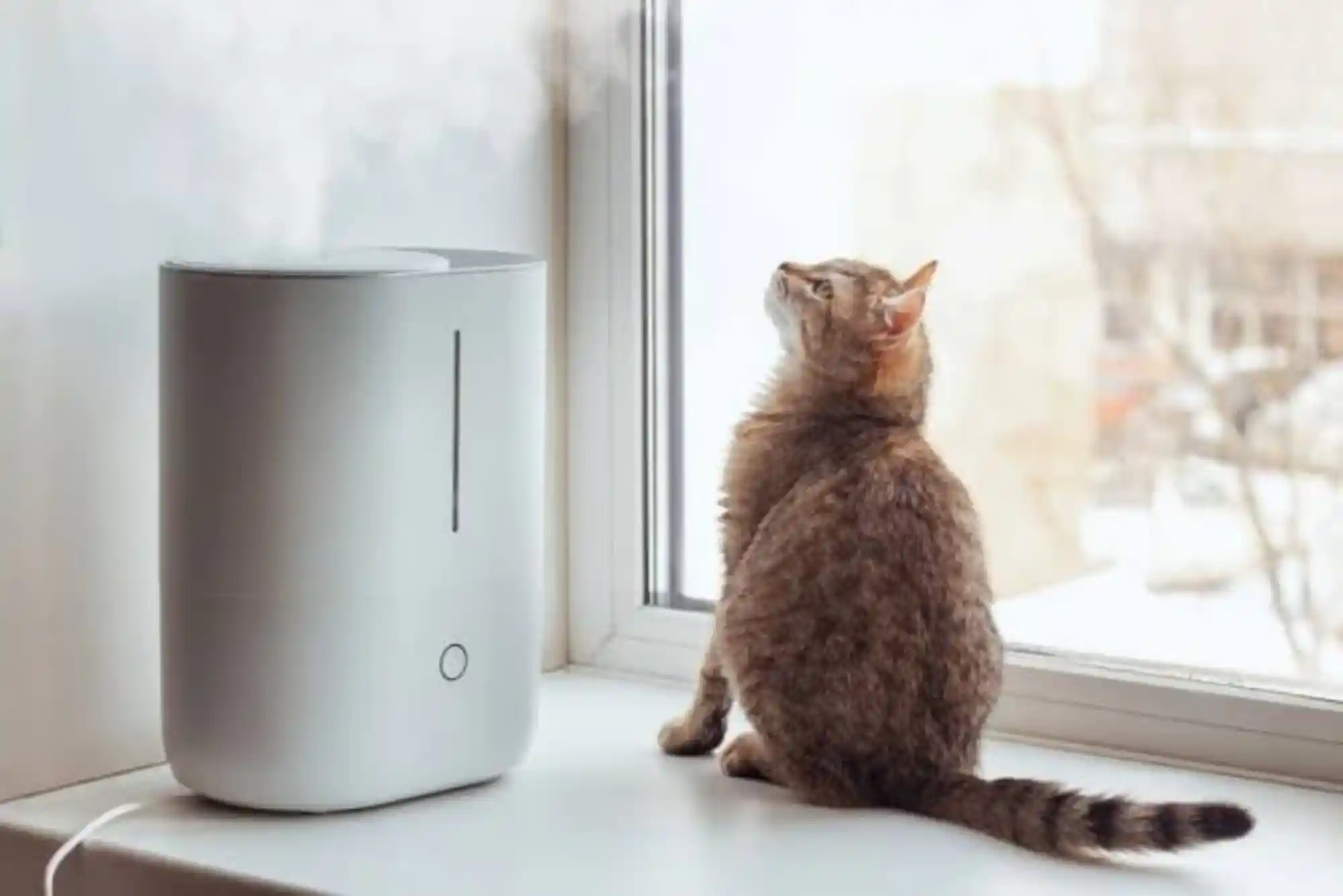
High-Efficiency Particulate Air purifiers serve as vital lifesavers for indoor pets by capturing 99.97% of airborne particles as small as 0.3 microns. Running HEPA purifiers continuously in rooms where pets spend most of their time keeps indoor air clean. Additionally, keeping central AC systems set to recirculate indoor air and using cool-mist humidifiers prevents dry airways, allowing nasal passages to trap lingering dust effectively.
Outdoor Safety and Walking Strategies During Sandstorms
Adjusting your outdoor routine remains vital when weather alerts announce incoming sandstorms across the UAE. Checking daily air quality indices before taking your dog outside helps you gauge potential environmental hazards. When dust alerts reach moderate or high levels, restrict outdoor exposure immediately and shorten daily bathroom walks to brief two-minute outings close to home.
Avoid high-energy exercises, running, or fetch games during dusty weather conditions because increased exertion forces pets to breathe deeply. Deep breathing draws hazardous dust particles deeper into lower pulmonary tissues, increasing irritation. Indoor mental enrichment, such as food puzzle toys, scent games, and feather wands, easily replaces outdoor exercise while keeping pets active and stress-free.
Post-Storm Pet Hygiene and Respiratory Clean-Up
Dust settles on your pet’s coat and paws long after sandstorms pass overhead, leading to secondary inhalation when animals groom themselves naturally. Establishing a thorough post-storm cleaning routine removes trapped desert dust from their fur before it enters their lungs. Wiping down your pet’s face, muzzle, paws, and underbelly with a damp microfiber cloth immediately after outings minimizes dust exposure.
Washing pet bedding, blanket covers, and plush toys frequently prevents accumulated sand particles from recirculating into indoor air. Vacuuming carpeted floors with a HEPA-filtered vacuum and damp-mopping tiled surfaces keeps dust levels under control. Providing constant access to fresh water and adding pet-safe bone broth to meals encourages hydration, keeping throat tissues moist and aiding natural mucus production.
Emergency Respiratory Protocols and Medical Preparedness
Having a clear emergency action plan saves critical time during sudden breathing crises caused by severe dust exposure. Keep your primary veterinarian’s contact details saved on your phone and locate the nearest 24-hour emergency veterinary clinic in your emirate ahead of time. Storing pet carriers near your doorway ensures rapid, stress-free transportation during unexpected medical emergencies.
Pet parents with asthmatic or allergic animals must maintain adequate stocks of prescription inhalers, antihistamines, and anti-inflammatory medications throughout sandstorm season. If your pet experiences acute breathing difficulty, move them into a cool, air-conditioned room immediately to keep them calm. Transport them to an emergency vet clinic using full vehicle air conditioning, and never administer human medications to animals.
Long-Term Pulmonary Care for UAE Domestic Pets
Protecting your pet’s lungs requires consistent year-round care rather than relying solely on emergency measures during active sandstorms. Scheduling annual veterinary check-ups allows doctors to evaluate lung function, listen to cardiac rhythms, and detect early signs of airway inflammation. Preventive medical care ensures your pet’s respiratory system remains resilient against environmental stressors throughout changing UAE seasons.
Adding vet-approved omega-3 fatty acid supplements and antioxidants to your pet’s daily diet helps reduce systemic inflammation and protects pulmonary cells from oxidative stress. Maintaining a smoke-free home and avoiding indoor pollutants like incense, scented candles, and harsh chemical cleaners further protects delicate airways. Clean indoor air gives your pet’s lungs the ideal environment to heal and stay strong year-round.
Frequently Asked Questions
How do I know if sandstorm dust is affecting my dog’s lungs?
Watch for frequent dry coughing, wheezing, rapid panting, nasal discharge, eye redness, and unusual lethargy after outdoor exposure. Dogs affected by dust may show reduced appetite and struggle during short walks due to airway irritation. If you notice pale or blue-tinted gums, your dog is experiencing severe oxygen deprivation and requires immediate emergency veterinary care.
Can cats get asthma from UAE sandstorms?
Yes, inhaling fine desert dust, microscopic silica, and airborne pollutants can trigger severe feline asthma attacks. Fine particulate matter penetrates deep into a cat’s lower airways, causing immediate bronchial inflammation, airway constriction, and excessive mucus production. Cats with pre-existing asthmatic conditions suffer intense flare-ups during active sandstorm events.
Are air purifiers necessary for pets in the UAE?
Yes, high-quality HEPA air purifiers are essential for pet-owning households across the UAE. Fine desert sand particles and urban pollutants easily enter residential spaces through doors, windows, and ventilation systems. Continuous air filtration removes microscopic dust, allergens, and airborne toxins, creating a safe indoor environment for pets to breathe comfortably.
Can I walk my dog during a light sandstorm in Dubai?
It is safest to avoid walking your dog during any active sandstorm or dust haze event in Dubai. Even light dust haze carries high concentrations of invisible microscopic particulate matter (PM2.5) that damages delicate lung tissue. Limiting outdoor exposure prevents dogs from inhaling concentrated desert pollutants during exercise.
Conclusion
Safeguarding your pets from desert dust storms requires preparation, quick action, and continuous indoor protection across the UAE. Sandstorms pose genuine health risks to dogs and cats, but proactive management minimizes airborne dust exposure effectively. Sealing your living space, running HEPA filtration, limiting outdoor activity, and monitoring breathing patterns ensure your pets stay healthy and comfortable through every storm.